
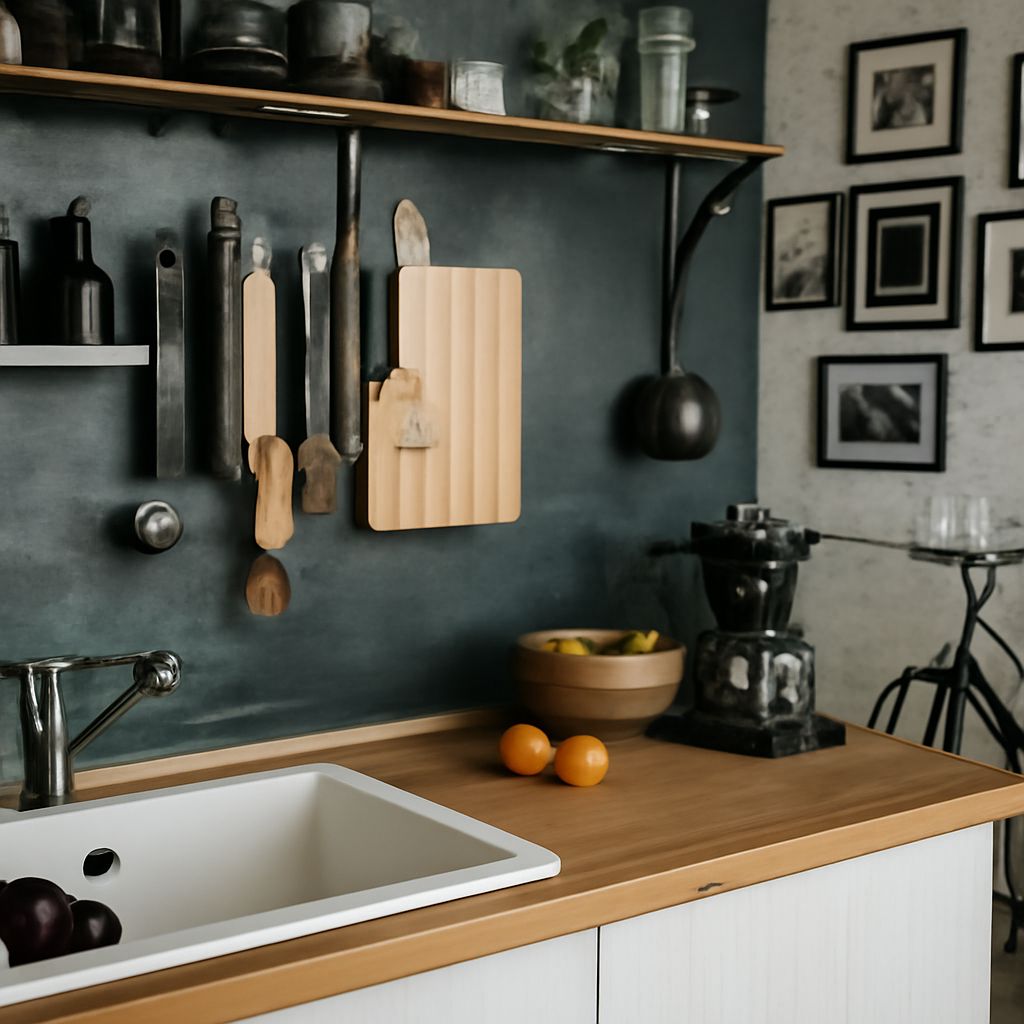
Small apartment storage ideas work best when you edit possessions before buying organizers. Measure each room, protect circulation, and assign frequently used items a home near where they are used.
The best storage ideas for small apartments combine vertical space, furniture cavities, shallow containers, and clear zones. Good small apartment storage should improve access without blocking doors, windows, natural light, or daily movement.
Small Apartment Storage Ideas: Edit First; Measure Furniture, Door, and Window Clearances
Begin with a quick inventory. Remove broken items, duplicates, unused kitchen tools, and clothing that no longer fits. Group what remains by frequency: daily, weekly, occasional, and seasonal.
- Measure wall width, ceiling height, furniture cavities, cabinet gaps, and floor depth before choosing storage.
- Keep main walking paths about 30–36 inches wide where possible. Do not place bins where doors, drawers, or windows need to open.
- Record door-swing clearance, window access, radiator space, and furniture dimensions. Allow roughly 1–2 inches around removable bins so they slide out easily.
Choose storage capacity based on the space, not the number of containers available. If a solution makes an item hard to reach, it is probably oversized or in the wrong zone.
Make Small Apartment Storage Vertical and Hidden: Lease-Aware Walls, Doors, Gaps, and Furniture Cavities
Use height before adding more floor furniture. In a rental, check the lease before drilling. Prefer freestanding shelves, tension poles, removable hooks, and over-door organizers when permanent mounting is restricted. Confirm weight limits, and never hang heavy loads from unsuitable adhesive.
- Install wall shelves where permitted, keeping them clear of window trim, vents, and head-height passageways. Use them for books, folded linens, or lightweight kitchen supplies.
- Use the back of a bedroom or bathroom door for shoes, toiletries, accessories, or cleaning-cloth pockets. Check that the rack does not prevent the door from closing.
- Fill narrow gaps beside cabinets, refrigerators, or wardrobes with a slim rolling cart. Measure the gap and the handle clearance before buying one.
- Choose furniture with hidden capacity: an ottoman with a lid, a bed with drawers, a sofa with space beneath it, or a console with enclosed shelves.
Keep upper storage for occasional items. Daily essentials belong between waist and shoulder height, where they can be reached without climbing or moving other objects.
Plan Entry, Kitchen, Living, and Bedroom Zones: Drop Spots, Media, Cabinets, and Under-Bed Space
Give each room a small, defined storage zone instead of spreading containers across every available surface.
- Entry: Create a drop zone with two or three hooks, a small tray for keys, and a narrow shoe rack or lidded basket. Limit it to items used when leaving home.
- Kitchen: Add shelf risers, drawer dividers, and pull-out bins inside pantry and cabinet gaps. Use door racks for wraps, spices, or lids, but keep them away from heat and plumbing.
- Living room: Use a media console for devices, cords, and games rather than open floor baskets. A nesting table, storage ottoman, or shallow bookcase can hold work supplies without overwhelming the room.
- Bedroom: Use under-bed space for labeled, low-profile bins containing spare bedding, luggage, or off-season clothing. Measure the clearance first; leave enough room to pull each bin out without shifting the bed.
For a small work area, use a desk with drawers, a monitor riser with storage underneath, or a vertical file holder. Close or cover work materials at the end of the day so the desk does not become a permanent storage surface.
Organize Bathrooms, Wardrobes, Closets, Work Areas, and Cleaning Tools
Utility storage needs easy access and moisture-resistant containers. Keep the heaviest items low and avoid storing anything where a leak, splash, or blocked vent could damage it.
- Bathroom: Use a slim caddy, narrow rolling cart, drawer dividers, and an over-door organizer for backup toiletries. Keep daily supplies together and limit duplicates.
- Wardrobes and closets: Add shelf dividers, matching slim hangers, hanging organizers, or a second hanging rod when the closet allows it. Store rarely worn pieces higher up.
- Cleaning tools: Mount a broom-and-mop holder inside a closet door where permitted, or use a freestanding rack in a narrow utility gap. Keep sprays in a contained caddy.
- Luggage: Store suitcases inside one another, then place smaller bags inside the largest case. Keep the set under the bed or at the back of a closet if it remains reachable.
Maintain Daily Access with Container Limits, Labels, Luggage, and Seasonal Rotation
Storage stays useful when every zone has a limit. Assign one container to each category, such as cables, winter accessories, spare toiletries, or paperwork. When the container is full, edit before adding another.
- Label the front and top of opaque bins. Use broad categories rather than labels so specific contents can change without reorganizing the whole apartment.
- Keep daily-use items visible or within one motion. Place occasional supplies behind doors, on high shelves, or in deeper furniture storage.
- Rotate seasonal clothing, bedding, sports gear, and holiday items twice a year. During each changeover, use a one-in-one-out rule and review anything untouched since the last rotation.
Recheck clearances after every major change. A storage solution is successful only if doors still open, windows remain usable, walkways stay clear, and the apartment remains easy to reset each day.