
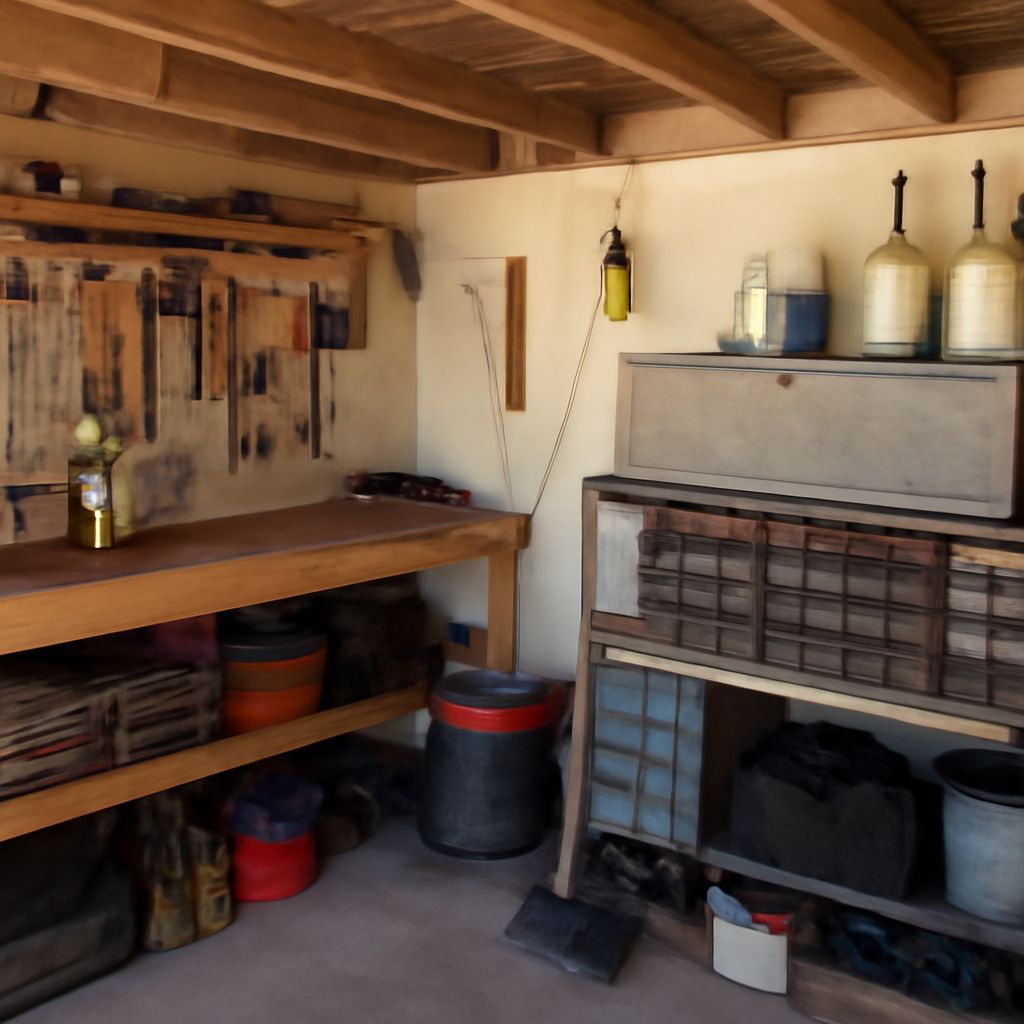
Shed storage ideas work best when every item has a planned location based on its size, weight, and retrieval frequency. Keep daily-use tools between waist and shoulder height, place heavy equipment low, and reserve high or remote areas for seasonal gear.
Before buying organizers, inventory your tools, equipment, supplies, and bins. Then match each category to wall, shelf, corner, floor, door, overhead, or work zones without blocking access to large equipment.
Shed Storage Ideas: Inventory and Measure; Check Structure, Leaks, Airflow, Pests, and Door Paths
Empty the shed and group similar items: long tools, hand tools, cords, hoses, lawn equipment, pots, soil, seed, garden supplies, chemicals, sports gear, and seasonal items. Mark anything used weekly, monthly, or only once a year.
Measure wall height, usable floor space, door swing, and the path required for a mower, wheelbarrow, or ladder. Leave that route open from the entrance to the equipment zone. Do not fill the doorway or central floor with storage that must be moved before large items can come out.
Inspect the structure before installing racks. Repair roof leaks, soft flooring, and loose wall panels. Check for dampness and improve airflow with clear vents or a small gap between stored items and exterior walls. Seal pest entry points, and avoid storing cardboard directly on a damp floor.
Choose Shed Storage Solutions for Wall Racks, Long Tools, Hand Tools, Cords, Hoses, and Ladders
Wall storage is usually the most efficient choice for long tools and frequent-use equipment. Install hooks, clips, or a tool rail for shovels, rakes, hoes, brooms, and pruners. Store handles vertically where possible, with blades and sharp ends facing safely downward or toward a protected side.
Use a pegboard or narrow rail for hand tools such as trowels, secateurs, gloves, and measuring tools. Outline each tool’s position or label the hook so missing items are easy to spot. Place the rail near the work surface if you have one.
Mount hose reels and cord holders near the door, but outside the opening and walking path. Coil hoses and extension cords loosely to prevent kinks. Hang a folding ladder on strong brackets along a side wall or store it vertically in a secured corner. Confirm every fastener reaches framing or approved masonry anchors; wall panels alone may not support concentrated loads.
Plan Shelf Loads, Heavy-Low Placement, Moisture-Safe Floors, Corners, and Overhead Space
Choose shelves according to the weight of their contents, not just their length. Soil, fertilizer, filled bins, and power-tool cases require stronger shelves than empty pots or gloves. Follow the rack’s load rating, support long spans, and keep heavy items on the lowest level to reduce tipping and lifting strain.
Use raised plastic shelving or pallets where floor moisture is possible. Keep bins and metal tools off concrete or soil, and leave enough clearance for cleaning and inspection. Corners suit awkward items such as wheelbarrows, folding chairs, spare handles, and stacked pots. Secure tall storage so it cannot lean into the door path.
Overhead racks can hold lightweight, infrequently used items such as empty coolers, camping gear, holiday decorations, or soft sports equipment. Do not place chemicals, dense soil bags, or heavy boxes overhead. Keep roof timbers and vents accessible so a leak or airflow problem is visible quickly.
Zone Lawn Equipment, Pots, Soil, Seed and Garden Supplies, and an Optional Work Surface
Create a lawn-equipment zone closest to the entrance. Store the mower, trimmer, edger, and fuel-free accessories together, leaving clearance for handles and wheels. Keep maintenance tools beside this zone, but leave enough room to pull each machine out without unloading shelves.
Stack clean pots by size on a low, stable shelf or in nesting groups. Keep sealed soil and compost bags on a raised platform, with the oldest bags at the front. Place seed packets, labels, twine, gloves, and hand tools in a shallow labeled bin near the work surface.
If the shed has a bench, reserve it for potting, repairs, or sharpening. Keep its top clear except during active projects. A narrow fold-down surface provides useful workspace without consuming the central floor or obstructing equipment retrieval.
Secure Chemicals Separately; Use Storage Shed Organization Ideas to Label Bins and Rotate Sports and Seasonal Gear
Store pesticides, herbicides, fuel, paint, and other chemicals as a separate secured category. Use their original labeled containers, keep them upright in a locked, leak-resistant cabinet, and follow the product label for storage conditions. Keep chemicals away from seed, animal supplies, tools, heat, and children’s sports equipment.
Use clear or consistently marked bins for seasonal and small-item storage. Label the front and top with both the category and contents, such as “winter sports” or “seed-starting supplies.” Keep frequently used bins at chest height and rarely used bins overhead.
At the end of each season, return tools to their assigned hooks, discard damaged supplies, and move the next season’s gear into easy reach. Check for moisture, pests, leaks, and expired products during this reset. Reassess the layout whenever a new mower, shelf, or large item changes the available door path.