
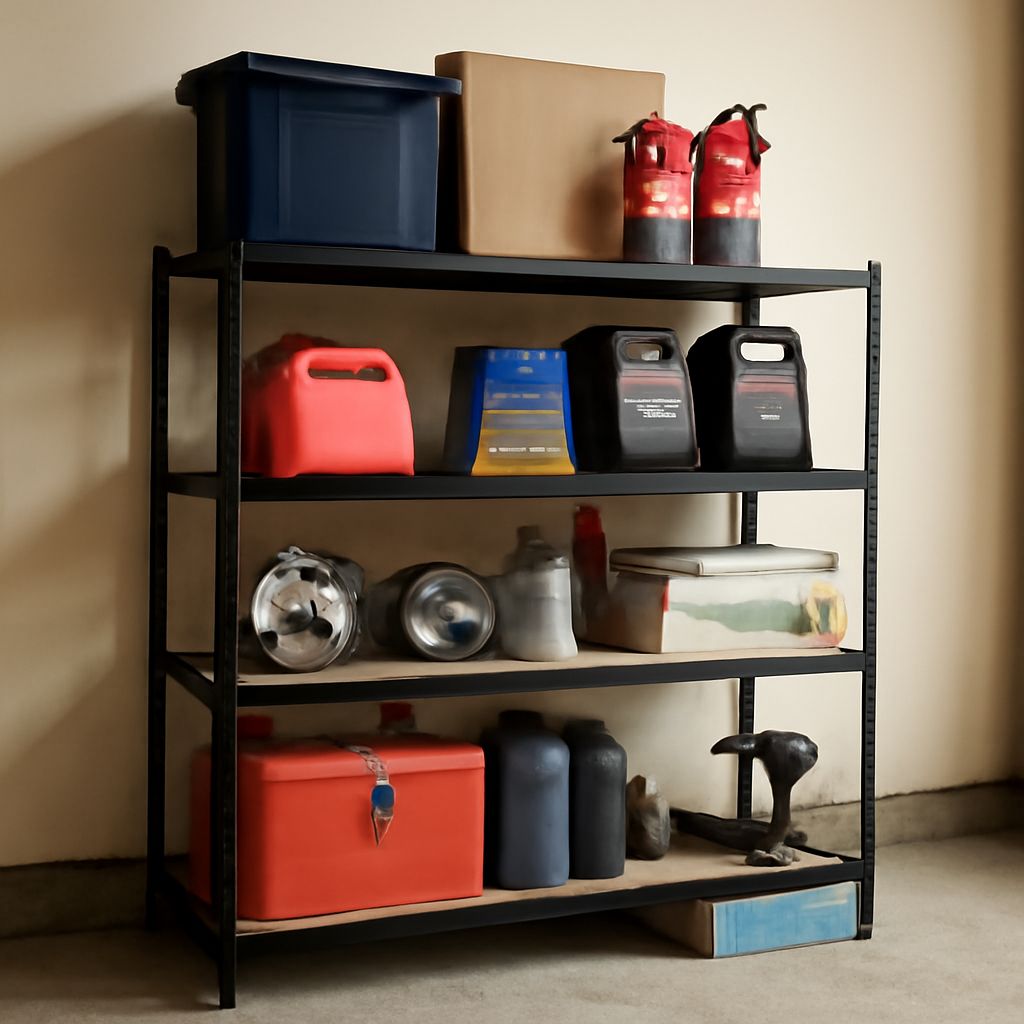
Metal shelving works best when you choose it by use case, size it to the space, and install it for stable access. The right setup balances shelf depth, usable clearance, rated load per shelf, and maintenance so the system stays safe and easy to use.
For most homes and light commercial storage, the best choice is the one that fits your items without wasted depth or overstressing the frame. A good metal shelving unit should match the room, support the heaviest load where it sits, and stay level under daily use.
Choose the Right Metal Shelving Type for Your Space
Start by matching the shelf style to what you will store and how often you need to reach it. Metal shelving is not one product category. It includes open wire units, solid-shelf frames, boltless racks, and adjustable systems built for different load and access needs.
For garages and workshops, heavy duty garage shelves usually make the most sense because they handle bins, tools, paint, and bulk items without flexing. If your items are boxed or irregular, metal rack shelving with open sides can improve visibility and airflow. For food or household supplies, smoother shelves are easier to wipe clean and better for smaller containers.
If you need flexible spacing, choose a steel shelving unit with adjustable shelf positions. That makes it easier to store tall detergent bottles, storage bins, or appliance parts. Fixed-height units are fine for repetitive loads, but adjustable systems are more versatile in real-world storage.
When comparing metal shelving units, check three basics first: material finish, frame design, and access pattern. Powder-coated or galvanized finishes resist rust better in damp rooms. Braced frames are usually steadier than light, narrow uprights. Open-front access is easier for frequent use, while deeper units maximize capacity in utility spaces.
Use case matters most when narrowing the options:
- Garage: prioritize durability, corrosion resistance, and high weight capacity.
- Pantry: prioritize cleanability, moderate depth, and easy reach.
- Utility room: prioritize moisture resistance and mixed-height adjustability.
- General storage: prioritize stable frames, simple assembly, and flexible shelf spacing.
Measure Space, Clearance, and Load Requirements
Measure the full footprint before you buy. The unit’s listed width, depth, and height are only the starting point. You also need room for baseboards, door swings, vents, outlets, and safe standing clearance in front of the shelves.
Use the shelf dimensions to confirm both storage capacity and usability. A deeper shelf holds more, but it can also make back-row items hard to reach. For everyday access, choose enough depth for the container plus a small reach zone. For example, 18 to 24 inches often works well for bins, while shallower shelves can be better in pantries and narrow rooms.
Do not ignore usable clearance inside the shelf. Shelf height needs to fit the tallest stored item with a little extra room for fingers and labels. If the shelf is too tight, items get wedged, labels are hidden, and the system becomes harder to reset later. Leave enough vertical clearance so containers can slide in and out without scraping.
Load capacity is just as important as size. Check the rated load per shelf, not only the total capacity of the frame. A unit might support a large overall weight, but each shelf still has its own limit. Plan for the heaviest bin, appliance, or tool set on the lowest shelf whenever possible.
Load distribution changes how safely a shelf performs. Spread weight across the shelf surface instead of stacking everything in the center. Dense items such as canned goods, power tools, or boxed hardware should sit lower and closer to the uprights. Lightweight items can go higher. This reduces tipping risk and keeps the frame from racking under uneven pressure.
If you expect heavy use, choose heavy duty shelves with a clear margin above your actual load. Do not size a shelf to its maximum rating and call that enough. A practical storage system performs better when the working load stays comfortably below the limit, especially in damp rooms or high-traffic areas.
Corrosion resistance matters anywhere humidity, leaks, or temperature swings are common. In a garage, basement, or utility room, look for coated steel, galvanized parts, or finishes designed to resist rust. In dry pantry storage, finish quality still matters, but cleanability and shelf spacing may matter more.
Set Up Shelves for Stable, Easy Access
Assembly should begin with the floor. Set the frame on a flat surface whenever possible, then check for rocking before loading anything. If the floor is uneven, use leveling feet, shims, or adjustable bases so the frame sits evenly. A level unit carries weight more predictably and is easier to access safely.
Anchoring is worth considering for taller units, narrow footprints, and heavy top loads. If the shelving can tip, shift, or sway when pulled from the front, anchor it to a wall following the manufacturer’s instructions. Even a well-built metal shelving unit benefits from extra stability when children, pets, or frequent loading are involved.
Set the heaviest items on the lowest shelves. That lowers the center of gravity and improves stability. Place medium-weight items in the middle and lighter, less-used items near the top. Keep the most frequently used items between knee and shoulder height to reduce bending and reaching.
When adjusting shelf spacing, think about both the stored item and the access path. A shelf that technically fits a box may still be inconvenient if the opening is too small for your hand to grip it easily. Aim for clear front access, enough finger room, and enough vertical clearance to remove items without tilting them awkwardly.
Use consistent bin sizes when possible. That makes it easier to reset shelf spacing and maintain a tidy layout. It also helps the shelves carry weight more evenly because similar containers create a more predictable load pattern.
After setup, test the system before filling it completely. Place a few heavy items on the lower shelves and check for wobble, flex, or visible leaning. If the frame shifts, re-level it, tighten connections, or add anchoring. A stable frame should feel firm when lightly pushed from the side or front.
Maintain and Reset the Shelving System
A shelving system stays useful only if it gets reset on a routine. Build a simple maintenance schedule: monthly for high-use areas, and every few months for low-use storage. The goal is not deep cleaning every time. The goal is to keep the structure safe, the load balanced, and the contents easy to find.
Start with a visual check. Look for bent shelves, loose fasteners, rust spots, water damage, and signs that weight has shifted to one side. Then remove dust, debris, and spills before they become stains or corrosion points. In damp spaces, wipe the shelves dry after cleaning.
Next, test the load pattern. If one shelf is overloaded, move part of that weight lower or to a second unit. Recheck the rated load per shelf any time you add dense items such as archive boxes, canned goods, or tools. A shelf that was safe last month may become overloaded after a few small additions.
Reset the layout by category. Keep like items together, and store the most-used items at the most accessible height. Put seasonal or backup supplies higher or farther back. Use the same shelf for the same category whenever possible. That habit reduces clutter and makes future audits faster.
A repeatable maintenance routine can be simple:
- Clear one shelf at a time.
- Check for rust, wobble, and loose parts.
- Wipe surfaces and dry them fully.
- Return only items that still fit the shelf’s load plan.
- Group items by use and frequency.
- Confirm the unit remains level and stable.
If you notice recurring clutter, the issue is usually shelf spacing or category overload, not just organization. Adjust the layout instead of forcing it. Good heavy duty shelves should support the contents without creating hard-to-reach dead zones or unstable top-heavy stacks.
Choose the Best Setup for Garage, Pantry, Utility, or General Storage
For a garage, choose a sturdy, corrosion-resistant unit with wide shelves, strong uprights, and a high load rating. Heavy duty garage shelves are the best fit when you store tools, paint, automotive supplies, and bulk bins. Prioritize anchoring if the unit is tall or the floor is uneven.
For a pantry, use shallower shelves with clean lines and easy wipe-down surfaces. You want visibility, quick access, and enough shelf height for food containers. Adjustable shelf spacing helps more here than extreme load capacity. A pantry setup should feel open, not cramped.
For a utility room, choose a moisture-resistant finish and flexible shelf positions. This space often stores detergents, paper products, filters, and household extras in mixed sizes. A steel shelving unit with adjustable shelves and stable feet usually gives the best balance of durability and convenience.
For general storage, look for a practical middle ground: moderate depth, good access, and a reliable weight rating. Metal shelving is ideal when you need a straightforward system that can change with your inventory. If you are unsure, pick the design that is easiest to level, easiest to clean, and easiest to reconfigure later.
In most cases, the best choice is the shelf that matches the heaviest item, the tightest space, and the most frequent access pattern. Choose the tallest unit only if you can reach it safely. Choose the deepest shelf only if you can still access the back. Choose the strongest frame only if you actually need that capacity.
If your storage area is dry and the load is light to moderate, a simple adjustable unit is often enough. If the area is humid, the items are dense, or the floor is uneven, step up to a more rigid, rust-resistant frame with leveling or anchoring support. That is the most reliable way to get metal shelving that stays safe, organized, and easy to live with.