
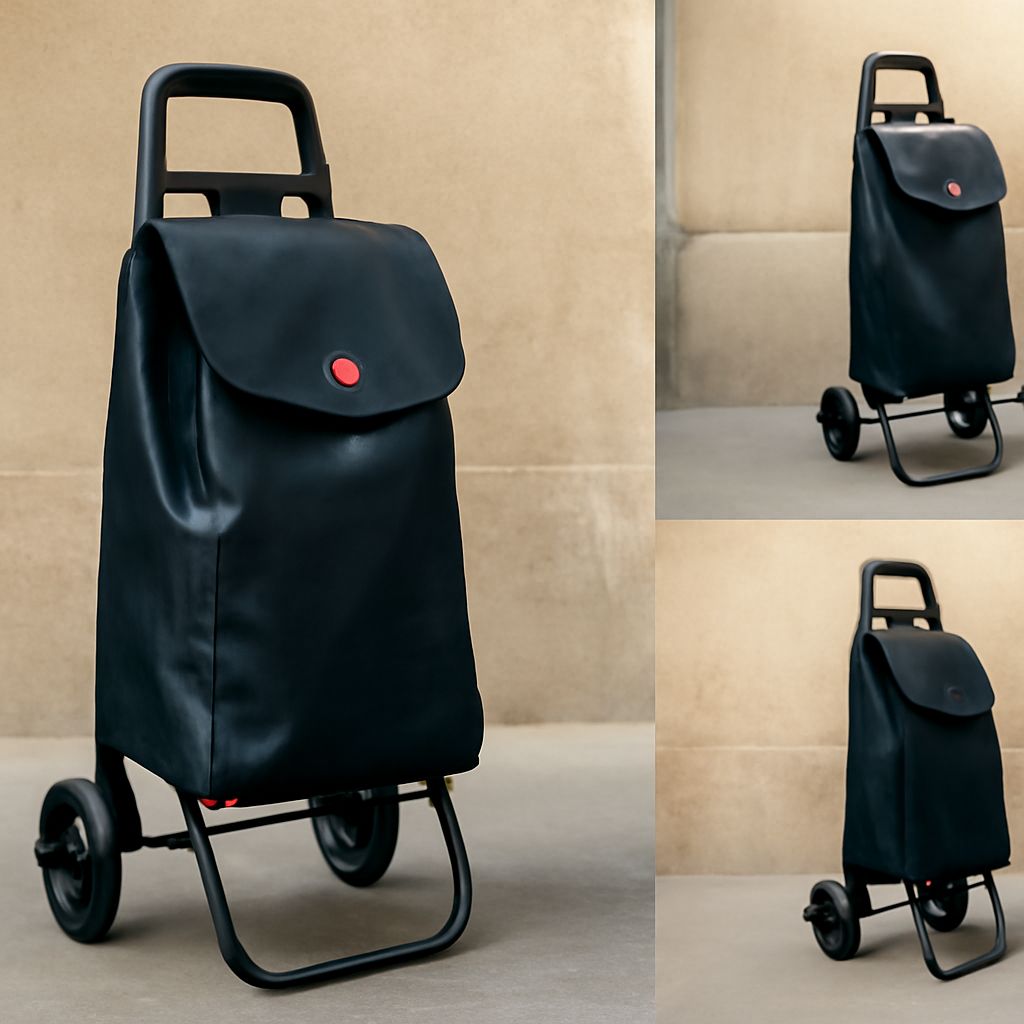
A laundry cart with wheels is a mobile hamper or basket used to move clothes, linens, and other wash items with less lifting. It is designed to roll across floors, so laundry day becomes easier when loads are heavy, bulky, or sorted by room or person.
In practical terms, a wheeled laundry cart helps you collect, transport, and sometimes sort laundry in one step. The main value is simple: it reduces carrying, saves time, and makes large loads easier to manage.
Laundry Cart With Wheels: Direct Answer
A laundry cart with wheels is a container on casters or rolling feet that lets you move laundry from bedrooms, bathrooms, closets, or laundry rooms without picking it up repeatedly. Most models hold clothes in a basket, bin, or bag, and many are sized for everyday household use.
People use one when a regular hamper is too small, too heavy, or too awkward to carry. It is especially useful for apartments, multi-level homes, shared households, and anyone washing bulky items like towels, bedding, or uniforms.
The key difference between a standard hamper and a wheeled laundry cart is mobility. The wheels do the work, which matters when the load is full or the route includes corners, doors, or stairs landing areas.
How It Works and What It Changes
A laundry cart rolls by means of fixed wheels, swivel casters, or a combination of both. Some are lightweight and built for quick movement across tile or hardwood. Others have sturdier frames and larger wheels for heavier laundry loads.
That design changes laundry routines in a few useful ways:
- Less strain: You push instead of lift, which helps with heavy loads.
- Faster transport: You can move multiple items in one trip.
- Better sorting: Some carts let you separate darks, lights, towels, or delicates.
- Cleaner workflow: Laundry stays contained until it reaches the washer.
A rolling laundry bag uses the same idea but swaps the rigid basket for a soft bag. That can be useful if you want something collapsible, lighter, or easier to store. A bag-style cart is often better for stairs, dorm rooms, or tight closets, while a rigid cart is usually easier to load and keep upright.
A folding laundry cart is another common variation. It collapses when not in use, making it a good choice for smaller homes or people who only need extra capacity on wash day. Folding models usually trade some stability for convenience, so they are best when storage space matters more than heavy-duty hauling.
Common Types and Variations
Not all laundry carts with wheels are built the same. The best one depends on where it will be used and what it will carry.
Single-bin carts
These have one large basket or hamper on wheels. They are simple, easy to load, and good for general household laundry. They work well if you prefer one central collection point.
Sorting carts
These include two, three, or four sections. They help separate laundry before washing, which saves time later. They are useful for families, roommates, or anyone who likes to sort by fabric type or color as clothes are collected.
Wire-frame carts
These are often sturdy and breathable. The open frame helps reduce odor buildup in damp clothes and makes it easy to see when the cart is full. They are common in utility rooms and larger laundry areas.
Fabric or mesh carts
These usually look more like a rolling laundry bag than a basket. They are lighter and may fold down for storage. They are a good fit for small apartments or limited laundry spaces.
Heavy-duty carts
These are built for large loads, thicker frames, and more frequent use. They are useful for homes with lots of towels, bedding, or shared laundry schedules. Better wheels and a stronger base matter most here.
How to Choose the Right One
The right laundry cart with wheels depends on load size, storage space, and floor type. A cart that works well on carpet may feel different on tile, and a compact model may not hold enough for a family’s weekly wash.
- Choose capacity first: Pick a size that fits your typical laundry volume without overfilling.
- Check wheel quality: Smooth-rolling casters are important on hard floors, while larger wheels help with bumps and thresholds.
- Think about storage: If space is tight, a folding laundry cart may be the most practical option.
- Match the material to use: Metal frames are usually sturdier; fabric models are usually lighter.
- Look at handling: A handle or push bar makes a cart easier to steer when full.
- Consider sorting needs: If you pre-sort laundry, choose a multi-section cart instead of a single bin.
If you plan to move the cart through narrow halls or around furniture, a slimmer base is usually better than a wide one. If you mostly roll it from a bedroom to a nearby laundry room, a larger basket may be more useful than a compact frame.
Also pay attention to how easy it is to clean. Laundry carts collect lint, dust, and stray socks. A surface that wipes down quickly saves effort over time.
Use Cases That Make the Most Sense
A wheeled laundry cart is most useful when laundry must travel farther than a few steps or when loads are too heavy to carry comfortably. It solves a practical problem, not a decorative one.
- Families: It helps collect and move large weekly loads from multiple rooms.
- Apartments: It makes laundry trips easier when the washer is down the hall or in a shared space.
- Bedrooms and closets: It works as a central hamper that can be rolled out on wash day.
- Laundry rooms: It helps stage clean or dirty clothes before sorting and folding.
- Dorms and shared homes: It keeps laundry contained and easy to transport.
A folding laundry cart makes the most sense when storage is limited and the cart is not needed every day. A rolling laundry bag makes sense when light weight and easy collapse matter more than rigid structure. A standard laundry cart with wheels is usually the best all-around choice when you want stability, capacity, and easy movement in one item.
If you already struggle with heavy baskets, choose wheels first and style second. The real advantage of a laundry cart with wheels is that it turns laundry from a lifting task into a rolling one.