
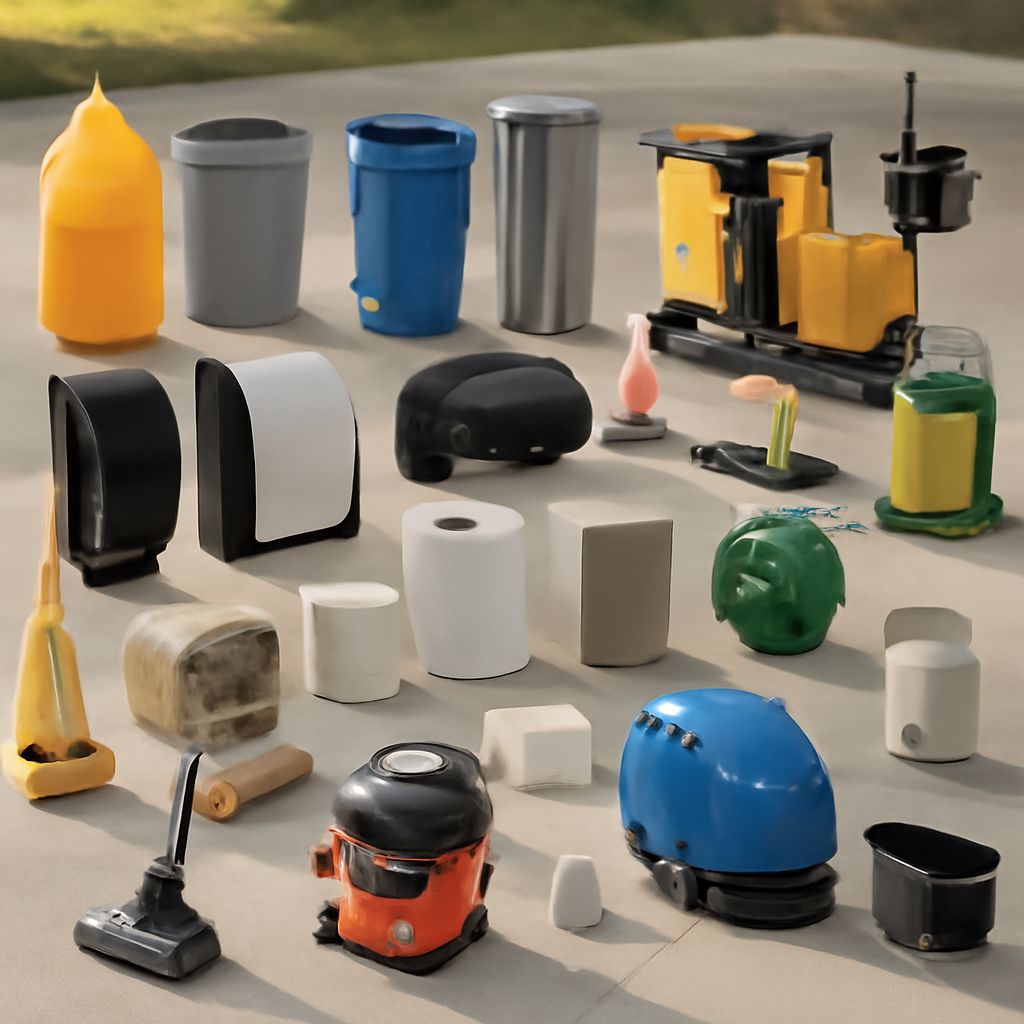
Janitorial supply at home means the core products and tools you rely on to keep rooms clean, sanitized, and easy to reset. It includes everyday items like all-purpose cleaner, microfiber cloths, scrub brushes, mops, gloves, and refillable bottles.
Used well, these supplies make cleaning faster and more consistent. They also help you build a simple system for storage, restocking, and routine upkeep without turning the house into a supply closet.
What to Know About Janitorial Supply
For household routines, janitorial supply is less about bulk purchasing and more about having the right basics in the right place. A good set of supplies should cover surfaces, floors, fixtures, and touchpoints without creating clutter.
Think in categories rather than single products. You usually need one cleaner for general wiping, one product for disinfecting when needed, tools for dust and debris, and a few helpers for scrubbing and drying. That setup keeps cleaning tasks simple and reduces the chance of using the wrong product on the wrong surface.
It also helps to separate everyday cleaning items from occasional deep-clean tools. A toilet brush or grout brush may not be used daily, but it should still be stored with the rest of your janitorial supply so it is easy to find when needed.
Practical Steps for a Home Cleaning System
Start by gathering the essentials in one place. A basic home set often includes:
- All-purpose cleaner
- Glass cleaner
- Dish soap or gentle degreaser for hand-cleaning jobs
- Microfiber cloths
- Sponge or scrub pads
- Rubber gloves
- Broom, dustpan, and vacuum attachments
- Mop and bucket or a flat mop system
- Toilet brush and bathroom-safe cleaner
- Small spray bottles for diluted solutions
Next, assign each item a clear home. Store daily-use cleaners near the rooms where they are used most. Keep floor tools together. Put refills, backups, and less-used supplies on a higher shelf or in a labeled bin. The goal is to make the next cleaning task obvious, not to build a complicated setup.
Label containers if you decant products into spray bottles. That small step matters more than it seems, especially when you are mixing similar liquids for different jobs. A clear label prevents confusion and keeps household cleaning safer and more efficient.
Then create a simple restock habit. Check supplies once a week or when a bottle gets low. Replacing items early prevents half-finished cleaning sessions and keeps your routine steady. This is especially useful for paper towels, gloves, and microfiber cloths, which disappear quickly in busy homes.
If you want a more streamlined system, keep a small caddy for fast resets. Place the products and tools you reach for during quick kitchen or bathroom cleanups in one portable container. That makes it easier to move from room to room without carrying loose items.
Common Janitorial Supply Types and Variations
Different homes need different versions of the same supply. The best choice depends on surfaces, frequency of use, and how much storage you have.
Cleaners: All-purpose formulas work for many surfaces, while specialty products are better for glass, stainless steel, bathrooms, or floors. A mild cleaner is often enough for routine wipe-downs.
Tools: Microfiber cloths lift dust well and can be washed and reused. Sponges and scrub pads handle stuck-on grime, but they should be replaced before they smell or break down. Extendable dusters help with shelves and ceiling corners.
Floor care items: Brooms, vacuums, dust mops, and wet mops each serve a different purpose. Hard floors may need a flat mop for quick maintenance, while rugs and carpets rely more on vacuuming.
Bathroom supplies: Toilets, sinks, tile, and mirrors often need separate tools or products. Keeping a dedicated toilet brush and bathroom cleaner reduces cross-use and makes cleanup less awkward.
Storage aids: Bins, caddies, hooks, and labeled spray bottles are part of the system too. They do not clean on their own, but they make every other item easier to use.
In some homes, the phrase janitorial supply store products simply refers to sturdier versions of these basics. That may include heavier-duty mops, concentrated cleaners, or more durable gloves. For household use, the main difference is usually durability and capacity, not complexity.
Mistakes to Avoid When Organizing Supplies
One common mistake is overbuying. Extra bottles and duplicate tools can make storage harder and create clutter before you use the first set up fully. Start with the essentials, then add specialized items only when a real need appears.
Another mistake is mixing too many cleaners without a plan. When every bottle looks different, it becomes harder to remember what each one does. Keep labels readable and avoid saving mystery mixtures in unmarked containers.
Do not store cleaning supplies in scattered places unless there is a clear reason. A few strategic locations work better than random hiding spots. If you cannot find a cloth, brush, or spray bottle quickly, the system is not helping.
Also avoid using one tool for every task. A toilet brush should stay in the bathroom. A floor mop should not become a dusting tool. Separation keeps cleaning more sanitary and extends the life of your supplies.
Finally, do not forget to clean the cleaning tools. Wash cloths, rinse mop heads, empty dustpans, and let brushes dry before storing them. Good janitorial supply habits are not only about what you buy. They are also about how you care for the items that keep your home running well.