
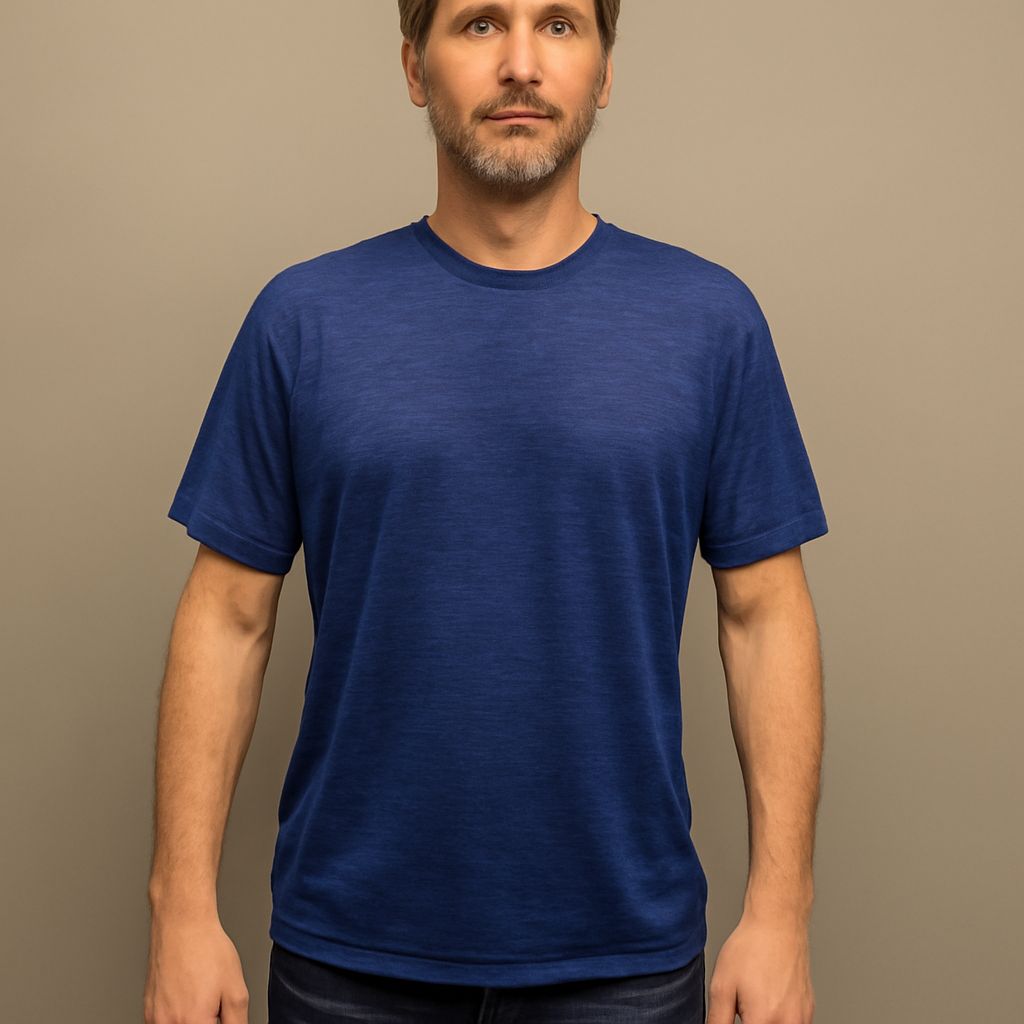
If you need to know how to shrink a polyester shirt, use one controlled heat cycle, then cool and measure it before doing anything else. Polyester usually shrinks less than cotton and can become misshapen under excessive heat.
For how to shrink clothes that are too big, first identify the fiber, record the original measurements, and follow the care label. No method guarantees even shrinkage, especially for polyester blends.
Check Fiber Content, Care Labels, Preshrinking, and Construction
Read the fiber label and care instructions before applying moisture or heat. Look for terms such as “preshrunk,” “wash cold,” “tumble dry low,” “line dry,” or “dry clean only.” A preshrunk garment may change very little. Do not wet or heat a dry-clean-only item.
- Record baseline dimensions: Lay the garment flat and measure chest or waist width, total length, sleeve or inseam length, and shoulder width. Photograph or write down each measurement.
- Inspect construction: Loose knits, delicate seams, and uneven panels may distort before the fabric meaningfully shrinks.
- Check prints and decorations: Heat can crack graphics, loosen appliqués, or make screen prints ripple. Turn printed garments inside out.
- Check elastic: Waistbands, cuffs, and swimwear elastic can become wavy, brittle, or permanently overstretched.
Natural fibers generally respond to moisture and heat more readily. Synthetic fibers respond less predictably, so use the lowest effective setting first.
How to Shrink a Polyester Shirt One Controlled Cycle at a Time
Polyester has limited shrink potential. If the label permits machine washing and drying, try this whole-garment method:
- Measure the dry shirt, turn it inside out, and fasten buttons or zippers.
- Wash it using the warmest water temperature allowed by the care label. Use a normal cycle unless the garment is delicate.
- Tumble dry on medium heat, or the highest permitted setting if the label specifically allows it. Check after 10 minutes rather than committing to a long, hot cycle.
- Remove the shirt while it is still warm, lay it flat, and gently reshape the seams, neckline, sleeves, and hem.
- Let it cool completely. Measure it and try it on before repeating the process.
Stop after one cycle if the fit improves. Maximum heat may cause shine, stiffness, melted fibers, puckered seams, or a distorted collar instead of useful shrinkage. Never assume a second cycle will shrink it evenly.
How to Shrink Clothes That Are Too Big by Fiber
- Cotton: Often has moderate shrink potential, commonly around 3–8%, though preshrunk cotton may change less. Warm washing followed by label-approved tumble drying is usually the most practical approach.
- Wool: Can shrink substantially, but heat, moisture, and agitation may felt it. Shrinkage is difficult to reverse and may make the fabric dense or stiff.
- Rayon: May shrink or distort noticeably when wet. Use gentle handling, avoid twisting, and reshape it flat. Follow the label closely.
- Polyester: Often changes little, roughly 0–3% under ordinary controlled care. Higher heat can deform the garment, so results are not dependable.
- Blends: Each fiber may react differently. Cotton-polyester or wool-nylon garments can twist, shrink unevenly, or develop rippled seams.
These ranges are planning estimates, not promises. A garment’s knit, finish, previous washing, and fiber proportions all affect the result.
Use Whole-Garment or Targeted Heat Methods
Use whole-garment treatment when the shirt is broadly oversized. For a slightly loose sleeve, cuff, waistband, or hem, dampen only that area and use a hairdryer on medium heat while keeping it moving. Work in two- to three-minute intervals, then cool and measure.
Targeted heating is more likely to create visible boundaries or uneven shrinkage. Keep the dryer away from prints and elastic, and never press a hot iron directly onto polyester. Stop if the fabric turns shiny, hard, rippled, or misshapen.
Measure, Cool, Reshape, and Stop at Damage Cues
Warm fabric can seem temporarily smaller, so always wait until the garment reaches room temperature before judging the fit. Compare every baseline dimension, not just the chest or waist. Try on the garment over the clothing you normally wear with it.
- Continue only when: the garment remains smooth, the seams lie flat, and the measurements are still short of your target.
- Stop immediately when: the collar twists, seams pucker, elastic waves, the print cracks, the fabric feels brittle, or the surface becomes shiny.
- Choose alteration instead when: the needed reduction is large or the garment contains delicate details. Tailoring is more predictable than repeated heat cycles.
The safest way to learn how to shrink clothes is to make one measured change, cool the garment fully, and check the result before proceeding.