
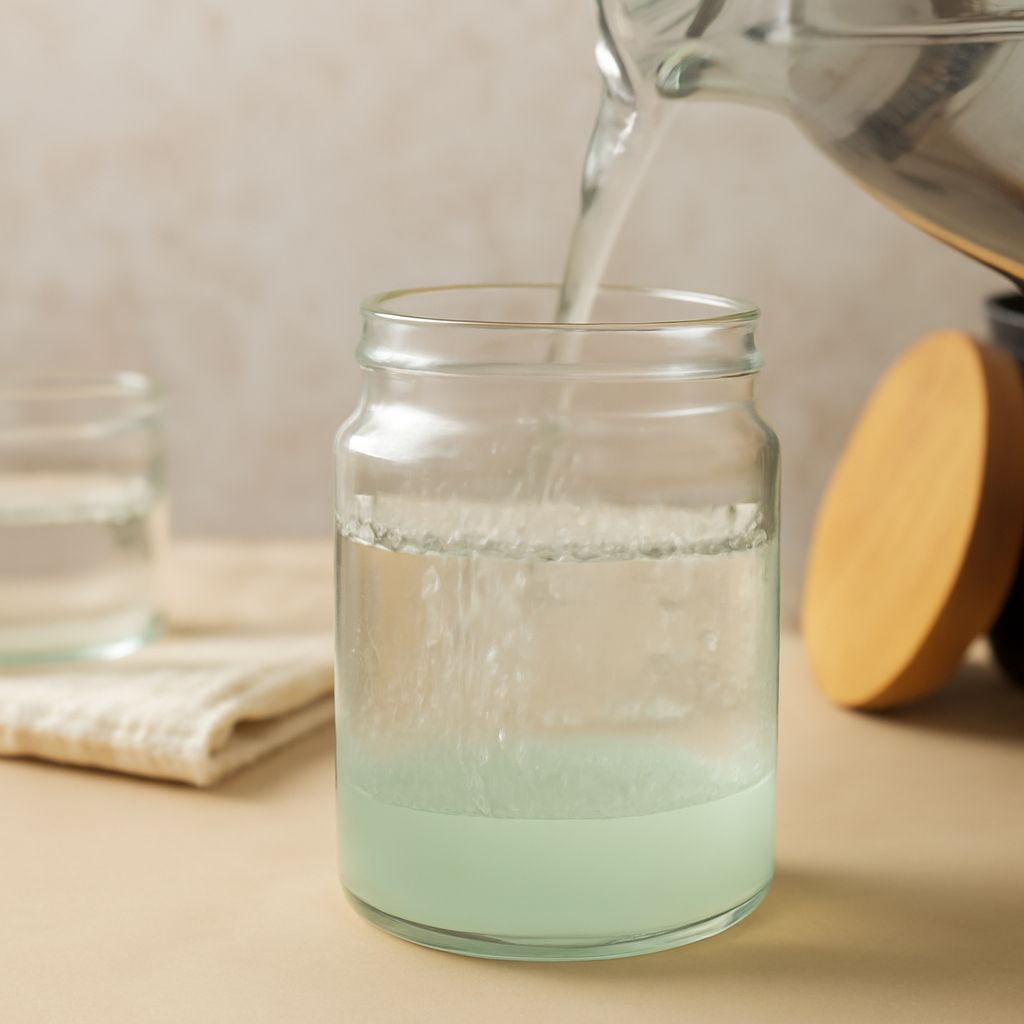
The easiest way to learn how to get candle wax out of a jar is to harden the wax, lift it out, and wash away the remaining film. Freezing suits stubborn or large wax deposits, while warm water and controlled low heat work faster when the glass is intact.
Before starting, remove the lid and check for cracks, chips, or a loose base. Avoid sudden temperature changes, which can fracture glass. Protect the label if you want to keep it, and place a bowl or paper-lined tray nearby for collecting wax.
How to Get Candle Wax Out of a Jar: Choose the Right Method
- Choose the freezer method for a mostly full jar, hard wax, or a label you want to preserve. Cold makes the wax contract and separate from the glass.
- Choose a warm-water bath for a thin layer of wax or a wick tab that needs loosening. Keep the jar away from boiling water and protect paper labels from soaking.
- Choose controlled low heat when you need to remove a small amount quickly. This works well for soft wax and sticky residue, but only use gentle heat on an intact jar.
If the jar is cold, let it reach room temperature before using warm water or heat. Likewise, let a warm jar cool naturally before placing it in the freezer. Do not use a stove, open flame, broiler, or high oven heat. Ordinary candle jars are not automatically designed for those temperatures.
Freezer, Warm-Water Bath, or Controlled Low Heat?
- Freezer: Place the uncovered jar upright in the freezer for two to three hours, or until the wax feels completely hard. Remove it and tap the base gently against a folded towel. Slide a plastic scraper, spoon, or blunt butter knife around the edge. The wax should come out in one piece or several firm chunks. If it remains stuck, freeze it for another hour rather than forcing the glass.
- Warm-water bath: Set the jar in a basin and add warm, not boiling, water around it. You can also fill the jar with warm water if the label is protected and the glass is room temperature. Wait 10 to 20 minutes for the wax to soften or float. Remove the solidified wax from the surface, then pour the water into a disposable container. Never pour wax-containing water down the drain.
- Controlled low heat: Use a hair dryer on its lowest setting, moving it continuously around the outside of the jar. As the wax softens, wipe it into a paper towel or pour it into a heat-safe disposable container. Work in small sections so the glass does not become hot. Stop if the jar becomes uncomfortable to hold, develops a strange sound, or shows any damage.
Collect recovered wax instead of rinsing it away. Clean, unscented pieces can be saved for wax melts or a small craft project. Keep strongly scented colors separate if you plan to reuse them. Otherwise, let the wax harden in a lined container and place it in household waste according to local rules.
How to Remove Wax from a Candle Jar: Bulk Wax and Wick Tab
After the main wax is out, inspect the bottom for the metal wick tab. The tab is usually held by a firm adhesive pad. Warm the spot briefly with a hair dryer, then slide a plastic scraper or blunt butter knife under one edge. Rock the tool gently until the tab lifts. Do not stab downward, twist forcefully, or strike the base.
If the adhesive remains, place a small amount of cooking oil on a cloth and rub the area for several minutes. A commercial adhesive remover can also work, but test it on an inconspicuous area first, especially if the label remains. Oil loosens the glue, but it must be removed thoroughly before reuse.
Clean Residue and Labels, Then Inspect for Reuse
Wash the empty jar with hot tap water and grease-cutting dish soap. Use a bottle brush, sponge, or soft cloth to remove oily wax residue and fragrance film. For stubborn areas, leave the soapy water in the jar for 10 minutes, then scrub again. Rinse until the surface no longer feels slick or smells strongly of wax.
To remove a paper label, soak the jar in warm, soapy water only if you do not need to preserve the label. Peel softened paper slowly. Rub leftover adhesive with cooking oil, then wash the jar again with dish soap. Dry it completely with a clean towel and leave it upside down until no moisture remains.
Hold the dry jar under a bright light and check the rim, sides, and base for hairline cracks, chips, clouding, or a loose bottom. Reuse a sound jar for dry storage, craft supplies, or a small planter. Use it for a new candle only when the container is specifically suitable for candle burning. Recycle a damaged jar through your local glass program, removing lids, wick tabs, and other non-glass parts first.