
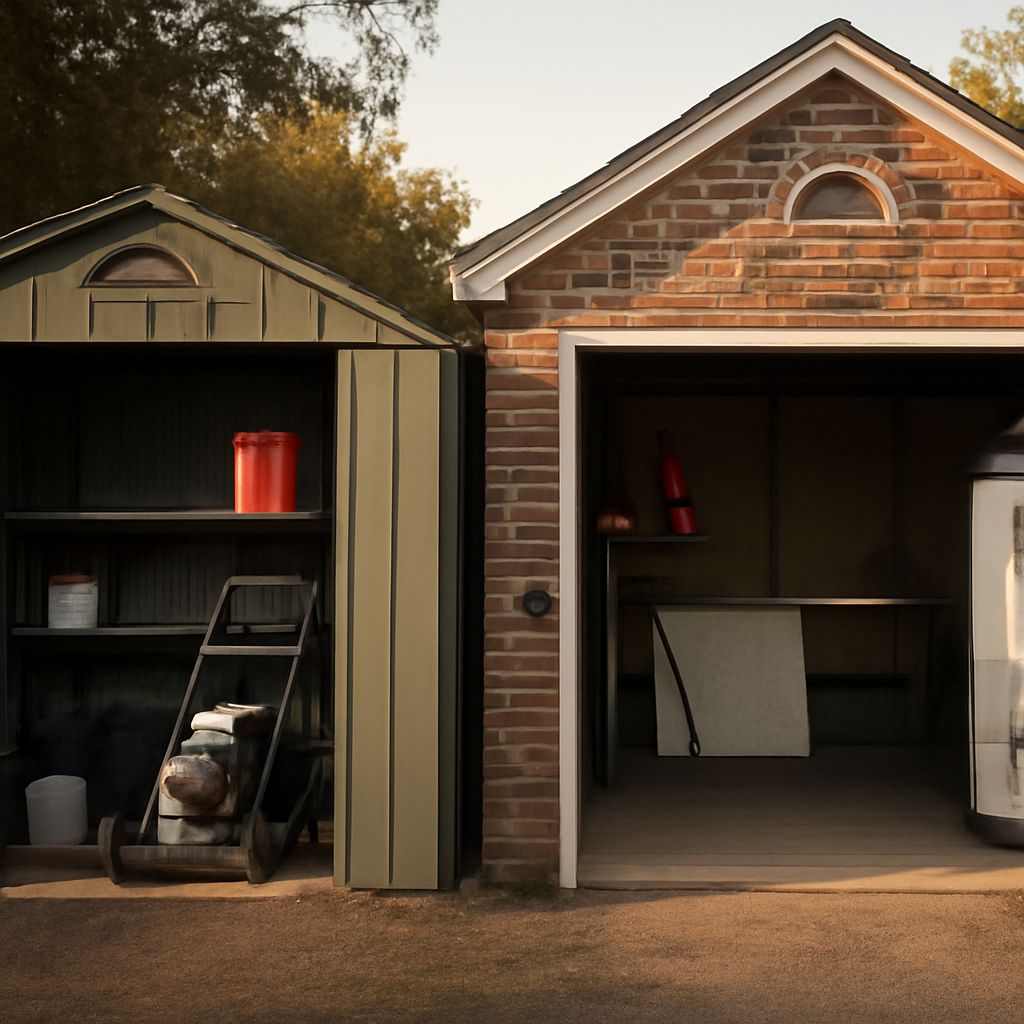
Gasoline shelf life is usually about 3 to 6 months in a sealed container under normal storage conditions. With stabilizer and cooler, tighter storage, it can last longer. Without good storage, it can go bad much sooner.
The shelf life of gasoline depends on oxygen exposure, temperature, fuel blend, and whether ethanol is present. If you are asking what is the shelf life of gasoline in practical terms, the safest answer is that most fuel should be treated as short-term storage, not a long-term reserve.
Gasoline Shelf Life: Direct Answer
Fresh gasoline is most reliable for immediate use and usually performs best within a few months. After that, it can still burn, but its quality starts to decline. That decline is what people mean when they ask about gasoline shelf life.
For everyday storage, use this as a simple rule:
- About 3 months: usually safe and dependable for most stored fuel.
- 3 to 6 months: common shelf life range for gasoline in a sealed, proper container.
- Longer than 6 months: possible with stabilizer and very good storage conditions, but quality is less certain.
Premium fuel, regular fuel, and most pump gas all follow similar aging patterns. The biggest difference is not octane. It is storage quality.
What Changes Gasoline Shelf Life
The shelf life of gasoline changes because fuel slowly breaks down. Lighter parts of the fuel can evaporate, and oxygen can trigger oxidation. Over time, that can leave behind gum or varnish-like residue.
Several factors make a big difference:
- Air exposure: More air in the container means faster oxidation and evaporation.
- Temperature: Heat speeds up fuel breakdown. A cool garage is better than a hot shed or trunk.
- Container quality: A tightly sealed, approved fuel container protects better than an open or damaged one.
- Ethanol content: Many fuels contain ethanol, which can absorb moisture from the air. That can shorten usable storage time.
- Additives: Fuel stabilizers can slow aging and help extend gas shelf life.
- Initial fuel quality: Fresh fuel lasts longer than fuel that has already sat in a tank or station system.
One more important distinction: gasoline stored in a vehicle tank does not usually last as well as gasoline stored in a tightly sealed can. Vehicle tanks breathe through the evap system, and that creates more opportunity for aging.
Ethanol and fuel blends
Most gasoline sold today contains ethanol, often up to 10%. Ethanol-blended fuel tends to absorb moisture more readily than ethanol-free fuel. That means the shelf life of gasoline is often shorter when ethanol is involved, especially in humid climates.
If you store fuel for equipment you rarely use, ethanol-free gasoline is usually a better choice when it is available. It is not a magic fix, but it is generally more stable for storage.
How to Recognize Old Gasoline
Old gasoline often shows warning signs before it causes a problem. If fuel smells sour, looks darker than usual, or has visible debris, treat it as stale. Fresh gasoline is usually clear and has a sharp fuel smell. As it ages, that smell can change.
Common signs of degraded fuel include:
- Dark or cloudy appearance
- Strong varnish-like smell
- Water separation or visible layers in the container
- Engine trouble after refueling, such as rough idle or hard starting
- Clogged small engines, especially in lawn mowers, generators, and snow blowers
Stale gas can still sometimes run an engine, but performance often drops. Small engines are usually affected first because they have narrow fuel passages and smaller carburetors.
If you are unsure whether fuel is still usable, compare it to fresh gasoline in a separate container. Even a small difference in smell, clarity, or color can matter. For critical equipment, it is better to replace questionable fuel than to risk a failed start.
Where old gas causes the most trouble
Fuel left in seasonal equipment is the most common problem case. Lawn mowers, chain saws, pressure washers, and backup generators often sit idle long enough for gas to age past its best window. That is why people often search for the gas shelf life before storing equipment for the off-season.
Cars usually tolerate older gasoline a little better than small engines because they have larger fuel systems and fuel pumps that can move stale fuel through the engine. Even so, gasoline that has sat too long can still create rough running or starting issues.
How to Store Gasoline Better
Good storage is the easiest way to extend gasoline shelf life. The goal is to slow evaporation, keep out moisture, and reduce heat exposure.
- Use an approved fuel container with a tight seal.
- Store it cool and dry, away from direct sun and heat sources.
- Keep containers full enough to reduce air space, but do not overfill.
- Add stabilizer before storage if the fuel will sit for more than a few weeks.
- Label the date so you know how old the fuel is.
- Use older fuel first and rotate stock instead of letting it sit.
Fuel stabilizer works best on fresh gasoline. It is less effective after fuel has already aged. If you know fuel will sit through a season, treat stabilizer as part of the storage process, not a rescue step.
For backup generators and emergency cans, rotation matters. A simple system is to buy no more fuel than you can use in a few months, then refill the container with fresh gas as you use the old fuel. That keeps the average age low and makes fuel more dependable when you need it.
If gasoline has been stored too long, do not mix large amounts of questionable fuel into sensitive equipment. Use only fuel that still looks and smells normal, and reserve marginal gas for less demanding use if you choose to use it at all.