
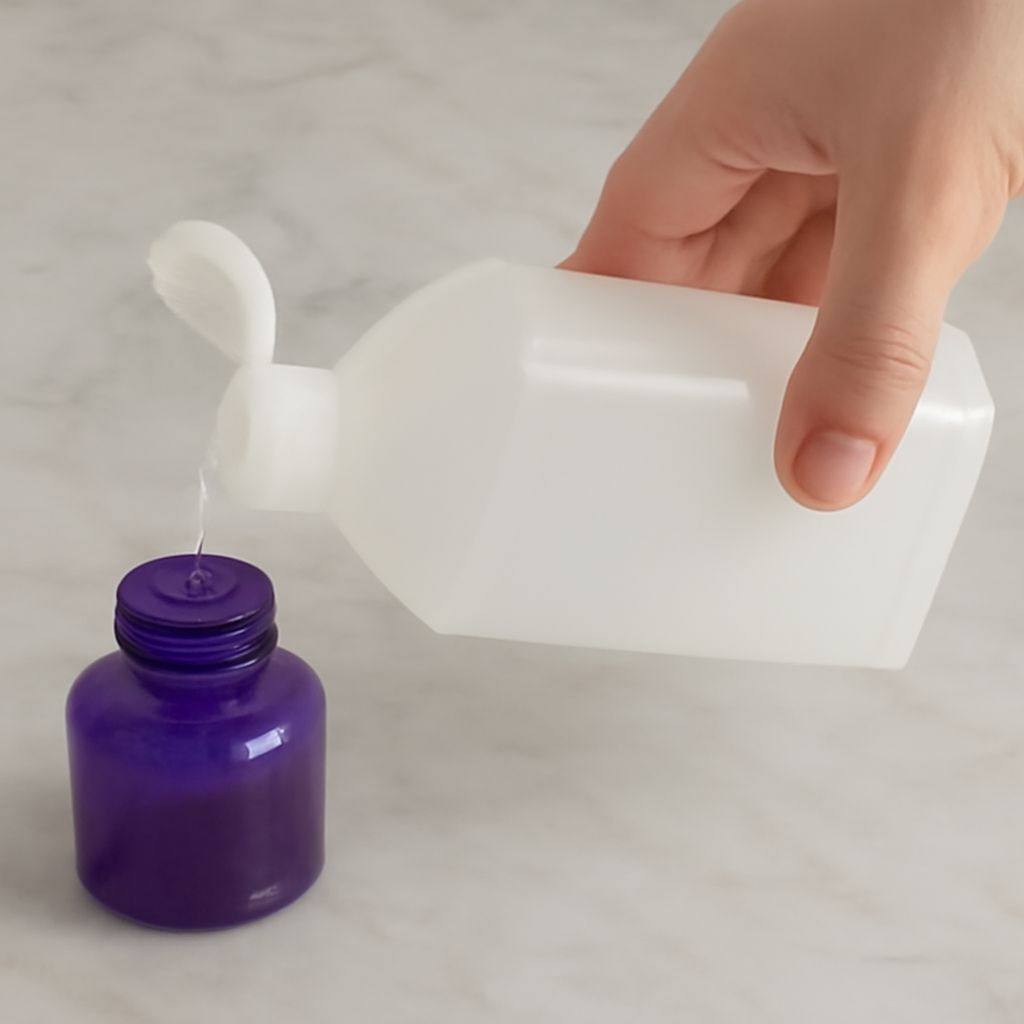
A simple diy glasses cleaner is usually a mix of distilled water, a little isopropyl alcohol, and one drop of mild dish soap. That combination removes fingerprints, oils, and light grime without leaving heavy residue on most eyeglass lenses.
The best eyeglass cleaner recipe is one you can mix safely, spray lightly, and wipe with a clean microfiber cloth. It should clean well, dry quickly, and avoid ingredients that can haze lens coatings.
DIY Glasses Cleaner: Direct Answer
The most reliable diy lens cleaner for everyday use is:
- 2 parts distilled water
- 1 part 70% isopropyl alcohol
- 1 tiny drop of mild, lotion-free dish soap per cup of solution
Shake gently before use. Spray both sides of the lenses lightly, then wipe with a microfiber cloth. If the glasses are only dusty, rinse first with water so grit does not scratch the lenses.
This recipe is practical because the lens cleaner ingredients do different jobs. Water dilutes the cleaner. Alcohol helps it dry fast and cuts oils. A small amount of soap lifts residue. Too much soap, however, leaves streaks and a film.
What Ingredients Work Best
For a safe eyeglass cleaner recipe, the ingredient quality matters as much as the ratio.
Best base ingredients
- Distilled water: Best choice because it leaves fewer spots than tap water.
- Isopropyl alcohol: Useful at 70% strength. It speeds drying and helps remove skin oils.
- Mild dish soap: Helps with greasy fingerprints and everyday smudges.
- Microfiber cloth: Not part of the liquid, but essential for a clean finish.
Ingredients to avoid
- Ammonia: Can damage some lens coatings and plastic frames.
- Vinegar: Too acidic for some coatings and can leave a sharp smell.
- Window cleaner: Often contains chemicals not meant for coated lenses.
- Lotions, moisturizers, or scented soaps: These leave residue and streaks.
- Hot water: Can stress coatings and warping-sensitive frames.
If you wear anti-reflective, blue-light, or scratch-resistant coatings, keep the formula simple. The fewer additives in the cleaner, the lower the chance of residue buildup.
How to Mix and Use It
A good diy lens cleaner works best when you mix and apply it the right way.
Simple mixing method
- Fill a clean spray bottle with 2 parts distilled water.
- Add 1 part 70% isopropyl alcohol.
- Add 1 drop of mild dish soap per cup of total liquid.
- Close the bottle and swirl gently. Do not shake hard, or you may create too much foam.
How to use it
- Rinse the glasses under lukewarm water if they are dusty or sandy.
- Spray a light mist on both lens sides.
- Wipe with a clean microfiber cloth using small circles.
- Dry the edges and nose pads with a fresh section of the cloth.
The lenses should look clear and feel dry within seconds. If they still look cloudy, the most common cause is too much soap or a dirty cloth. Wash microfiber cloths regularly without fabric softener, which can reduce their cleaning ability.
For travel, you can make a smaller batch of the same formula. A compact bottle of diy glasses cleaner is easy to keep in a bag or desk drawer.
How It Compares With Store-Bought Cleaners
Store-bought sprays are convenient, but a homemade cleaner can work just as well for routine use. The main difference is consistency.
- DIY cleaner: Cheaper, easy to refill, and adjustable. Best for simple daily cleaning.
- Commercial cleaner: Often pre-balanced and packaged for convenience. Good if you want a ready-made option.
A well-made homemade formula usually handles fingerprints, makeup, and light grease well. Commercial products may feel more polished in scent or packaging, but they are not always better at removing smudges.
The biggest advantage of a DIY mix is control over the lens cleaner ingredients. If your glasses react badly to a fragrance, thick soap, or extra additives, you can leave them out.
When to Use a Different Cleaner
Some situations call for something stronger or more specific than a standard eyeglass cleaner recipe.
- Heavy grease or sunscreen: Use a fresh rinse first, then the cleaner.
- Very dirty sports glasses: Clean off dirt under running water before wiping.
- Safety glasses or goggles with special coatings: Follow the manufacturer’s care instructions if available.
- Fogging issues: A lens cleaner may not solve fog; you may need an anti-fog product instead.
- Damaged coatings or loose frames: Skip aggressive cleaning and have the glasses checked.
Do not use a homemade cleaner on lenses that are visibly scratched with grit still on them. First remove the debris with water. Wiping dry grit across the lens is the fastest way to cause damage.
If you want the safest routine, keep one rule: rinse, spray lightly, wipe gently, and use only clean cloths. That is usually enough for a dependable diy glasses cleaner that works day after day.