
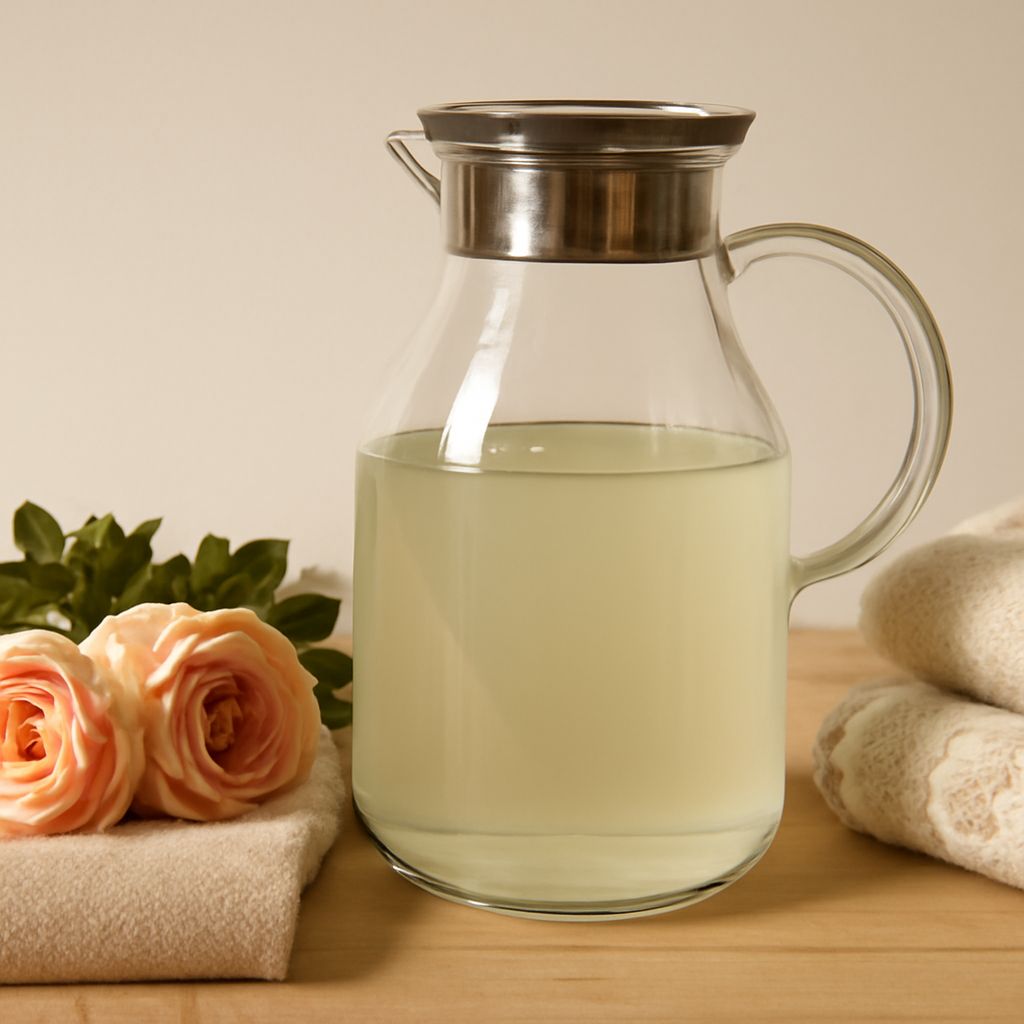
Castile soap laundry detergent is a soap-based wash option made from plant oils, most often olive oil, and used for cleaning clothes. It can be used as a homemade laundry detergent liquid or as the soap base in a diy liquid laundry soap. It is appealing because it is simple, low-fragrance, and easy to mix at home.
The key point is this: castile soap can clean laundry, but it behaves differently from commercial detergents. It works best for light to moderate soil, fresh stains, and people who want a basic, low-ingredient wash solution.
Castile Soap Laundry Detergent: Direct Answer
Castile soap laundry detergent is a laundry cleaner made with liquid castile soap instead of a standard detergent formula. In practice, that means you are washing clothes with a true soap, not a synthetic detergent blend.
That difference matters. Soap lifts dirt and oils from fabric, but it can leave residue more easily if you use too much or if your water is hard. For many households, it is a practical homemade option. For heavy grease, large loads, or very hard water, it may need help from additives or a different detergent.
If you want a simple answer: yes, castile soap can be used for laundry, and many people do use it successfully. It is not always the strongest choice, but it is a workable one when used correctly.
How It Cleans Clothes
Liquid castile soap cleans by breaking up oily soil so it can rinse away. That makes it useful for everyday dirt, body oils, and light stains. Because it is a soap, it performs best when it is diluted and fully dispersed in water.
The cleaning action depends on a few variables:
- Water temperature: warm water helps soap dissolve and spread more evenly.
- Water hardness: hard water can reduce cleaning power and increase residue.
- Amount used: too much soap can leave clothes feeling stiff or slightly sticky.
- Soil level: light and medium soil respond better than heavy grease or set-in grime.
This is why some people describe a homemade laundry detergent liquid made from castile soap as gentle but less aggressive than commercial detergent. The formula is simple, but the result depends on the wash conditions.
Castile soap can also be paired with washing soda, baking soda, or oxygen bleach in some homemade laundry detergent recipes. Those additions may improve cleaning, but they also change the formula and may not suit every fabric.
When It Works Best
Castile soap laundry detergent is usually best for routine laundry rather than extreme stains. It is a good fit when you want a DIY option for regular clothing, pajamas, towels, or lightly soiled items.
Good uses
- Everyday wear with normal body soil
- Lightly stained clothing
- Baby clothes, if the formula is kept simple and well-rinsed
- Households that prefer fewer ingredients and a low-scent wash
Less ideal uses
- Work clothes with grease, oil, or heavy mud
- Very hard water without a softening strategy
- Large, heavily soiled loads that need stronger surfactants
- Delicate fabrics that should not be exposed to extra residue
If your laundry starts to feel waxy, dull, or less absorbent, the problem is usually overdosing or poor rinsing. In that case, reduce the amount used, wash in warmer water if fabric care allows, or switch to a stronger rinse cycle.
How to Make or Use It
A basic castile soap laundry detergent recipe is straightforward. You can use it as a liquid detergent on its own, or build a mild diy liquid laundry soap around it.
Simple homemade liquid formula
One practical starting point is:
- 1/4 cup liquid castile soap
- 3 to 4 cups warm water
- Optional: 1 to 2 tablespoons washing soda for extra cleaning
Mix the water first, then add the soap slowly to reduce foaming. If using washing soda, dissolve it fully before adding the soap. Store the mixture in a container with room for shaking.
How to use it: Add about 1/4 to 1/2 cup per regular load, depending on load size and soil level. Start with less. Add more only if clothes are not coming out clean.
Better-use tips
- Shake the bottle before each use if the ingredients separate.
- Pour the detergent into the water stream, not directly on dry clothes.
- Use more rinse power if your machine tends to hold residue.
- Keep the formula simple for sensitive skin and baby laundry.
Success cues are clean fabric, no slippery feel after drying, and no cloudy residue in the rinse water. Failure cues are stiffness, gray buildup, or clothes that seem to hold odors after washing.
If you want a stronger homemade laundry detergent liquid, the usual next step is not more soap. It is better water conditions, a small amount of booster, or a different detergent type. More soap alone often creates more residue, not more cleaning.
What to Compare Before Choosing
Before choosing castile soap laundry detergent, compare it with the result you want from your wash routine. The best choice depends on soil level, water quality, and how much mixing you want to do.
Castile soap vs. commercial detergent
Commercial detergent is usually better for heavy-duty cleaning because it is engineered for modern washers, varied water conditions, and strong stain removal. Castile soap is simpler and more natural-feeling, but it is usually less forgiving.
Castile soap vs. other homemade liquid laundry soap
Many diy liquid laundry soap formulas use castile soap as the main ingredient, but some add booster ingredients for improved performance. If you want a very basic formula, castile soap alone is easiest. If you want better grease removal, a boosted recipe may work better.
What matters most
- Cleaning strength: choose stronger formulas for heavy soil.
- Rinse performance: choose simpler formulas if residue is a concern.
- Water hardness: hard water often reduces soap performance.
- Fabric type: delicate or absorbent fabrics need a cleaner that rinses fully.
- Convenience: if you want no mixing, a ready-made detergent is easier.
So the practical answer is not whether castile soap laundry detergent is “good” in general. It is whether it matches your laundry conditions. For light household washing, it can work well. For heavy soil or difficult water, a stronger detergent often performs better.