
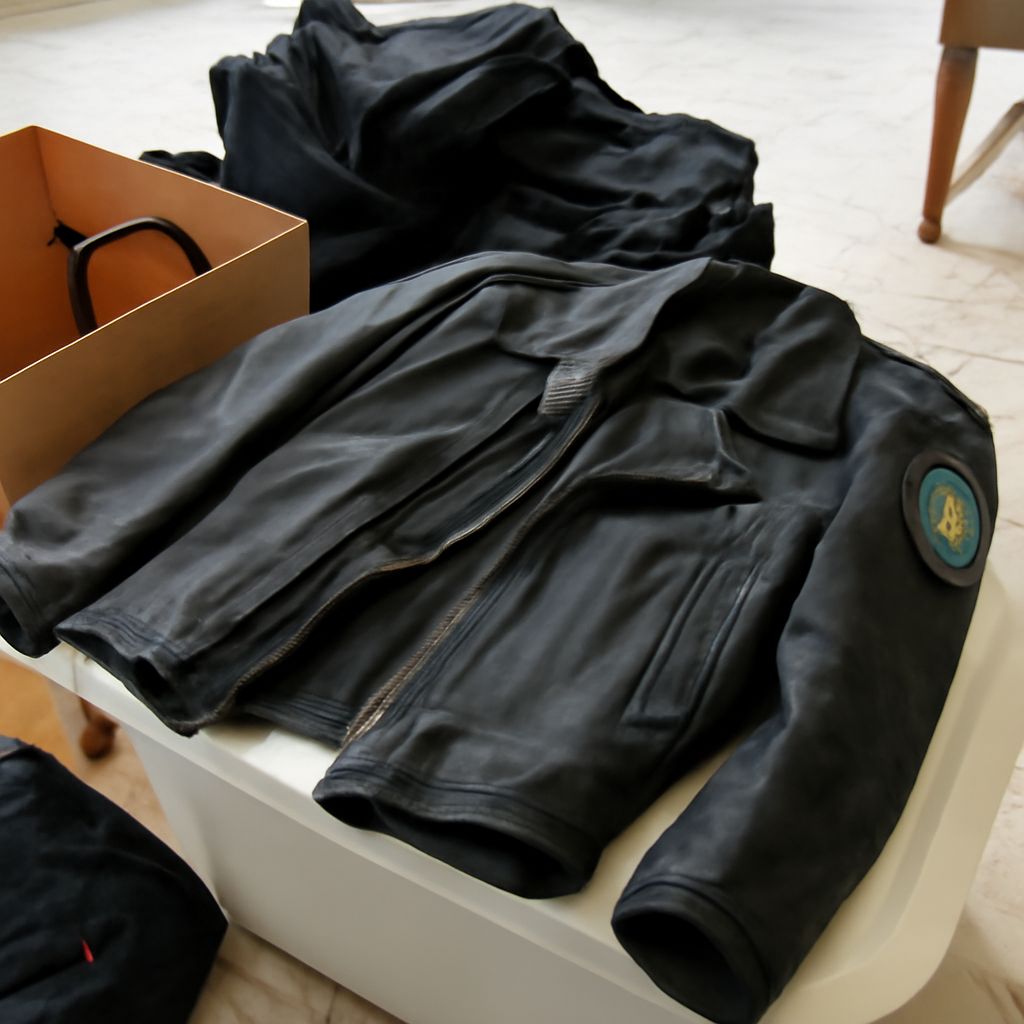
Yes, you can often wash mold out of clothes when the fabric is washable, the growth is limited, and the fibers are still strong. Remove loose mold outdoors, pretreat according to the material and care label, wash separately, and dry the item completely.
A remaining stain or faint odor does not automatically mean active mold survived. Judge the result after drying by checking for new growth, persistent mustiness, and structural damage.
Can You Wash Mold Out of Clothes? Check the Label, Color, Odor, and Damage
Before treating the item, decide whether it is safe and practical to save. Check these factors:
- Care label: Confirm whether the garment is machine-washable, hand-washable, dry-clean-only, or unsuitable for bleaching. Follow the lowest-risk instructions first.
- Material: Cotton, linen, polyester, and many other sturdy washable fabrics usually tolerate careful home treatment. Wool, silk, leather, suede, rayon, and structured garments need more caution. Use a specialist cleaner when the label requires it.
- Colorfastness: Test any oxygen bleach, peroxide-based product, or other treatment on a hidden seam. Rinse and let it dry before checking for fading or color transfer.
- Extent of growth: A few surface spots are more suitable for salvage than widespread, thick, or deeply embedded growth. Do not handle heavily affected items indoors.
- Odor: A musty smell suggests contamination may remain, but odor alone does not prove active growth. Reassess only after washing and complete drying.
- Structural condition: Discard fabric that tears easily, feels weakened, has extensive fiber breakdown, or shows damage around seams and elastic. Washing cannot restore degraded fibers.
If the item is heavily covered, badly damaged, or valuable and delicate, place it in a sealed bag and seek professional cleaning advice instead of trying to shake or brush it inside your home.
How to Wash Moldy Clothes: Remove Loose Growth and Pretreat Outdoors
Take the garment outdoors before disturbing visible mold. Wear gloves and, for substantial growth, a well-fitting particulate mask. Keep children, pets, and unaffected laundry away from the area.
- Air out the item: Place it on a washable surface outdoors. Avoid shaking it, since that can spread spores onto nearby clothing and surfaces.
- Brush away loose growth: Use a soft brush to remove surface material. Work gently from the outside of the affected area toward the center. For delicate fabric, skip brushing and follow the care label.
- Test the pretreatment: Apply the chosen product to a hidden area. Wait for the stated contact time, rinse if required, and check the dry result.
- Choose one pretreatment: For colorfast washable fabrics, use a laundry oxygen-bleach solution according to its package directions. For white items that permit chlorine bleach, dilute and use it only as directed on the label. Never combine bleach with vinegar, ammonia, or other cleaners.
- Apply detergent: Rub liquid laundry detergent gently into the affected area, or soak the garment in the approved pretreatment solution for the recommended time. Do not leave fabric soaking longer than directed.
Do not use chlorine bleach on wool, silk, spandex, leather, or any garment whose label prohibits it. Vinegar may reduce some odors, but it is not a dependable substitute for a material-safe mold treatment.
How to Wash Mold Out of Clothes by Material and Growth Extent
Wash the item separately from unaffected laundry. Use the hottest water permitted by the care label, because heat can improve cleaning when the material tolerates it. Use a full dose of regular laundry detergent and select a complete cycle rather than a quick wash.
- Sturdy cotton and linen: Use warm or hot water if permitted. Colorfast items can usually receive an oxygen-bleach treatment. White cotton may permit chlorine bleach, but only when the label and product directions allow it.
- Polyester and other synthetics: Use the warmest approved setting and detergent. Avoid excessive heat if the garment contains elastic, coatings, or printed designs.
- Wool and silk: Do not use ordinary bleach or aggressive scrubbing. Follow the specific hand-wash or dry-cleaning instructions, and use a cleaner experienced with mold-affected natural fibers.
- Delicate or structured garments: Do not force a machine wash. Padding, interfacing, leather trim, and glued details can trap moisture or lose their shape.
For light surface growth, one thorough wash may be enough. If the item remains visibly soiled or musty, repeat the approved pretreatment and wash once more. Stop if the fabric weakens, the color changes, or the care label does not support further treatment.
Run an extra rinse if detergent or pretreatment remains in the fabric. Do not add contaminated clothing to a dryer before inspection, because heat can set some stains and a damp load can retain odor.
How to Get Mold Out of Fabric: Rinse and Dry It Completely
Remove the washed garment promptly and inspect it while it is still wet. Rinse again if you see residue, slippery product, or strong chemical odor. Then dry every part thoroughly in moving air or direct sunlight when the care label permits.
Spread the item so seams, cuffs, pockets, waistbands, and folded layers are exposed. Turn it during drying. A thick garment may need several hours or longer, depending on humidity and airflow. Do not store, fold, or place it in a hamper while any coolness or dampness remains.
A dryer is acceptable only when the care label allows it. Use the recommended setting, and remove the garment when fully dry. For items that cannot tolerate tumble drying, use a clean drying rack outdoors or in a well-ventilated space. Keep the item away from clean laundry until it passes the final inspection.
How to Get Mold Stains Out of Fabric: Inspect, Repeat, or Discard
After the garment is completely dry, inspect it in bright light. Separate the result into four possibilities:
- Active-looking growth: Fuzzy, raised, spreading, or newly appearing material means the item needs further treatment or professional evaluation. Do not wear or store it yet.
- Residual discoloration: A flat gray, brown, green, or yellow mark can remain after mold has been removed. Discoloration alone is not proof that active mold remains.
- Persistent odor: A mild remaining smell may justify one more material-safe pretreatment and wash. If strong mustiness returns after complete drying, discontinue home treatment.
- Fiber damage: Brittle areas, holes, thinning, warped seams, or deteriorated elastic indicate that the garment is no longer reliably salvageable.
If there is no new growth, the garment is odor-free, and the fibers remain sound, it is generally ready to use even if a faint stain remains. If growth or strong odor persists after one repeat treatment, or if the material is weakened, discard the item in a sealed bag. Clean the brush, work surface, and any washable equipment used during treatment before handling clean clothing.