
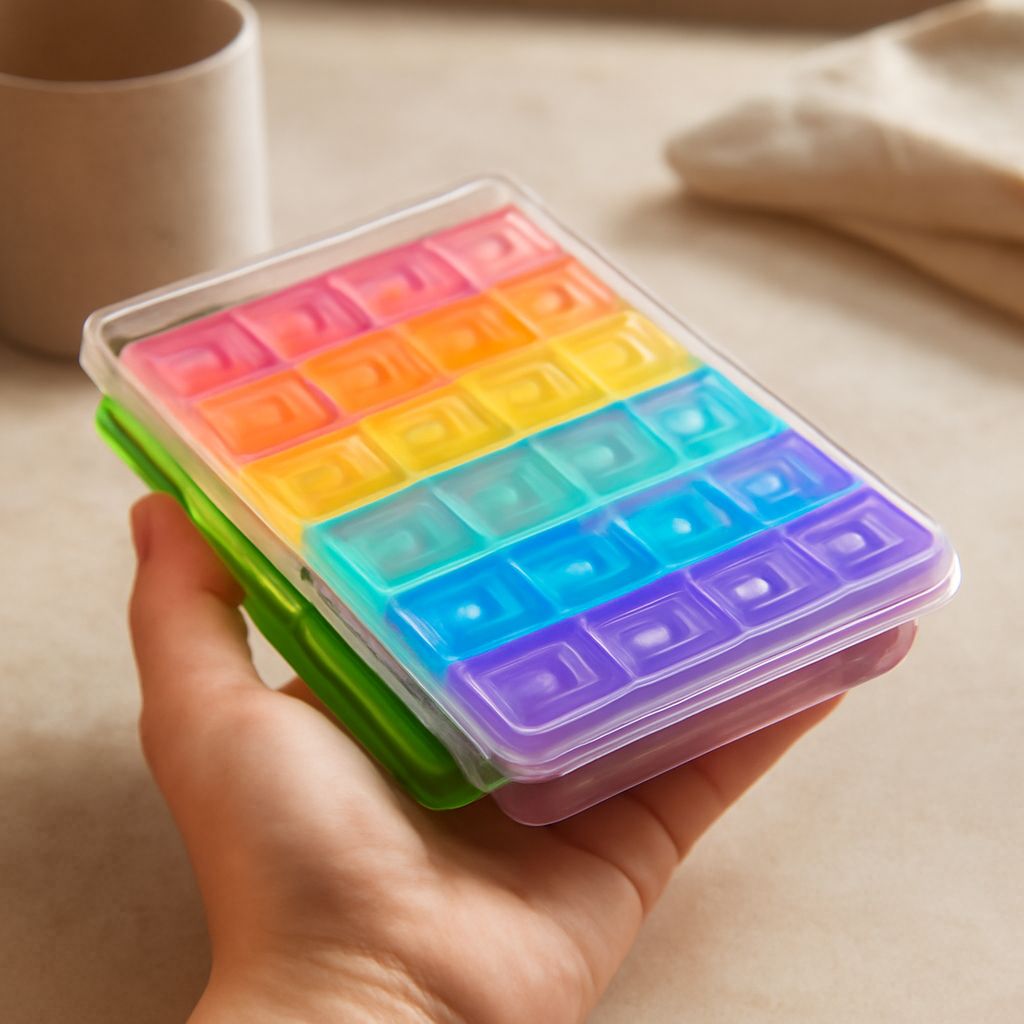
The best pill organizer matches your dosing schedule, pill sizes, vision, dexterity, and daily routine. Start with the number of times you take medicine, then check whether each compartment is easy to fill, close, identify, and carry.
A daily pill organizer suits a one-day supply, while weekly, multi-dose, locking, travel, and reminder designs solve different problems. An organizer helps you sort medicines, but it does not change the prescribed timing, dose, or storage requirements.
Choose the Schedule Format: Daily, Weekly, or Multi-Dose
Set Up a Daily Pill Organizer
Choose a daily organizer when you want a compact supply for one day or prefer to refill frequently. It may have separate spaces for morning, midday, evening, and bedtime. This format works well when you take several medicines at the same time or want a quick visual check each day.
A weekly organizer usually has seven day-labeled sections. A once-daily model may offer one compartment per day, while a multi-dose weekly model divides every day into two, three, or four time periods. Weekly formats reduce filling frequency, but they need enough capacity for every pill in each interval.
Use a weekly organizer only when its compartments and materials suit the medicines involved. If a label requires protection from light, moisture, heat, or refrigeration, keep that medicine in its original container unless a pharmacist confirms that transferring it is appropriate.
Match Dose Frequency to Compartments
Count administration intervals rather than only counting medicines. For example, three medicines taken together at breakfast may need one large breakfast compartment. A single medicine taken four times daily needs four clearly labeled intervals.
Choose a separate compartment for each prescribed interval when doses must not be combined. If you take medicines at unusual times, choose a case with flexible labels or removable sections instead of forcing the schedule into morning, noon, and night categories.
- Daily: Best for one day at a time, simple checks, or a changing regimen.
- Weekly: Best for stable schedules and fewer refills.
- Multi-dose weekly: Best when each day includes several administration intervals.
- Locking: Useful when accidental access is a concern, provided the closure remains easy for the intended user.
Best Pill Organizer: Match Capacity and Usability
Compare Compartment Size, Dose Labels, Lid Effort, and Closure Security
Compare the interior length, width, and depth of each compartment with the actual pills. A compartment that fits one tablet may not hold several tablets, large capsules, irregular shapes, or half-tablets. Fill a sample section before buying when possible, and leave room so pills do not jam under the lid.
Look for dose labels that match your routine. Full words such as “Monday morning” are easier to interpret than tiny initials. High-contrast printing helps with low vision, and day-and-time labels reduce mistakes when several compartments look alike.
Test the lid effort with the hand that will use it. Hinged lids, push buttons, sliding covers, and snap closures require different movements. A closure should stay shut in a bag but open without painful pinching or excessive force. If a child-resistant or locking design is needed, confirm that the regular user can operate it reliably.
Check for a firm hinge and a positive snap. Loose lids can spill pills into a handbag, while very tight lids can make access difficult. Spill resistance is helpful, but most organizers are not waterproof. Keep the case away from sinks, rain, heat, and damp bathroom surfaces unless its instructions specifically permit those conditions.
Match Dexterity and Vision With Tactile and Visual Cues
People with arthritis, tremors, weakness, or limited finger movement may prefer large tabs, rounded edges, and push-button lids. Avoid designs that require tiny sliding catches or two-handed pressure if those actions are difficult.
Tactile cues can distinguish intervals without requiring a clear view. Raised symbols, textured lids, or different shapes can help identify morning and evening sections. Visual cues include large type, contrasting lid colors, strong day labels, and transparent compartments that allow a quick contents check.
Do not rely on color alone. Lighting can change how colors appear, and some medicines may look similar. Combine color with written labels, tactile markings, or a consistent position in the organizer.
When a Small Pill Case Fits Travel Needs
Check Spill Resistance, Travel Size, and Removable Pods
A small pill case works for a few doses, one day of medicine, or a backup supply. It is easier to carry than a full weekly case, but compact compartments often sacrifice capacity and label space. Confirm that every pill fits without crushing, sticking, or pressing against the lid.
For overnight trips, choose a travel-size case with secure individual closures and enough space for the complete planned interval. A rubber gasket may limit spills, but it does not necessarily protect medicine from humidity. Place the case inside a separate pouch, especially when traveling in wet conditions.
Removable pods make a larger organizer more flexible. You can carry one day or one dose set while leaving the rest at home. Choose pods with labels that remain attached and closures that cannot open when they rub against other items.
For air travel or unfamiliar destinations, keep the source containers and medication information with you when practical. Original labels help identify the medicine and its directions. Never transfer a medicine simply to make a case smaller if its storage instructions do not allow it.
Use Alarms as Prompts, Not Prescription Changes
Some organizers include alarms, flashing indicators, or phone connections. These features can prompt you to check a compartment, but they do not confirm that you took the medicine. Select an alarm with a volume, display, and reset process you can use consistently.
Set reminders for the prescribed times, not for a more convenient schedule. If an alarm is missed, follow the medicine’s instructions or ask a pharmacist what to do. Do not take an extra dose or move a dose because the organizer signals it.
Use a Pill Minder for Reminders and Checks
Reconcile the Current Regimen First
Before filling a pill minder, gather every current medicine container, the latest medication list, and any written instructions. Include prescription medicines, over-the-counter products, vitamins, and medicines taken only as needed.
- Write each medicine name, strength, amount, prescribed time, and frequency.
- Compare the list with every source label and remove discontinued or outdated instructions from your working list.
- Resolve differences with a pharmacist or prescriber before filling the organizer.
- Mark medicines that must remain in their original packaging or require special storage.
This reconciliation step prevents a familiar-looking case from hiding a changed strength, timing instruction, or discontinued medicine. The organizer should reflect the current regimen exactly, not an older routine.
Fill One Interval at a Time and Check Compartments
Fill the organizer on a clean, dry surface with good lighting. Wash and dry your hands, then keep only the medicines needed for the current filling session nearby. Use one labeled interval at a time, such as Monday morning, before moving to Monday evening.
- Read the source label and add the correct medicine to the first compartment.
- Check the medicine name, strength, appearance, and quantity against your list.
- Close that compartment fully, then continue to the next interval.
- After filling, inspect every section for the correct number and type of pills.
- Gently turn the closed organizer over above the work surface to check for loose lids or spills.
Keep source containers together in a labeled location rather than throwing them away after filling. Store the completed organizer under the same conditions required for the medicines. Refill on a consistent day and time, and use a calendar or reminder before the organizer becomes empty.
Store Source Containers, Clean, and Refill Consistently
Empty the organizer before cleaning it. Follow the manufacturer’s instructions, especially for removable pods, electronic alarms, and locking sections. If washing is permitted, use mild soap and warm water, rinse away residue, and let every compartment air-dry completely before adding medicine.
Do not put damp pills into a case, use harsh cleaners, or mix medicines in a compartment while residue remains. Inspect hinges, labels, seals, and closures during each refill. Replace the organizer if sections crack, lids stop closing securely, labels become unreadable, or pills repeatedly spill.