
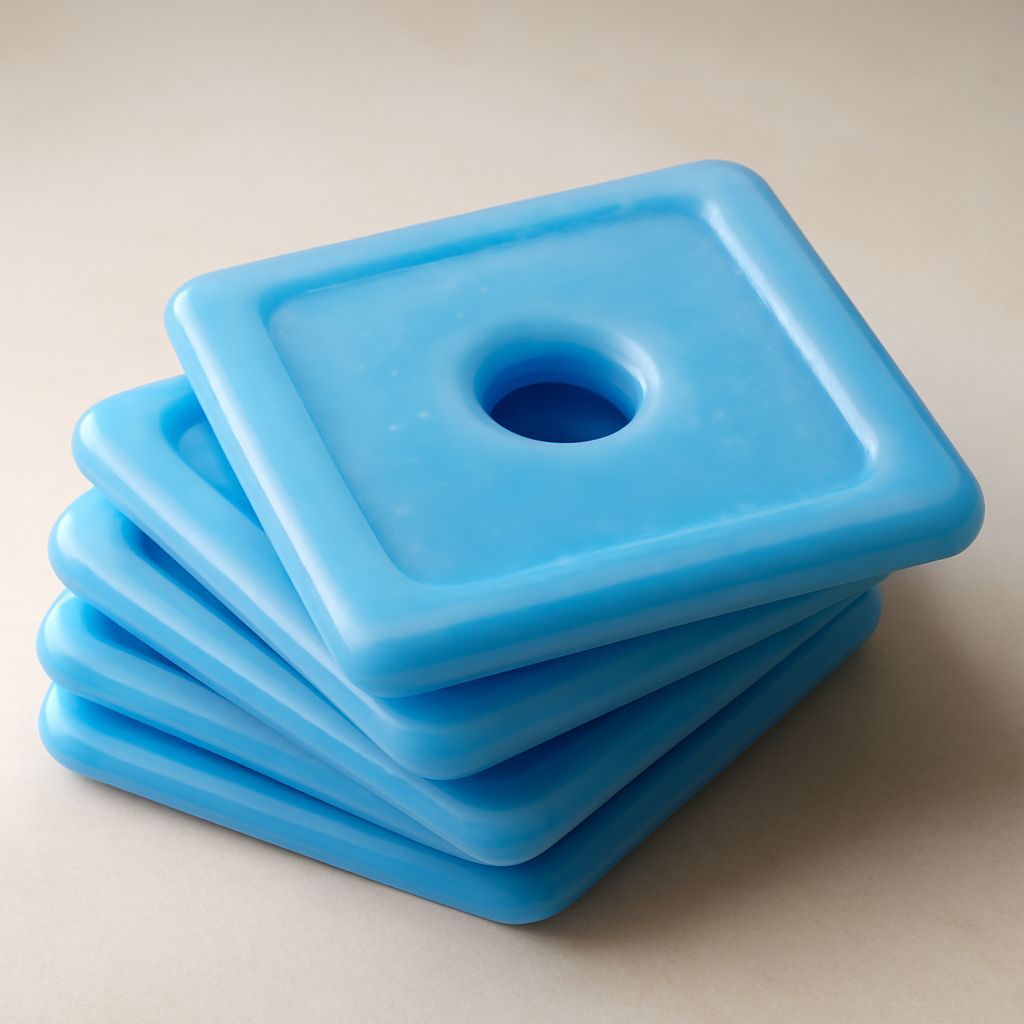
If you want the best ice packs for coolers, start with a simple rule: match the pack to the trip. For day trips and lunch bags, slim reusable packs are usually enough. For longer outings, choose dense hard-shell packs or large freezer bricks that hold cold longer.
The best ice pack for cooler use depends on size, freeze time, and how tightly it fits your load. Below is a practical shortlist, then a clear way to compare the options and choose the longest lasting ice packs for your needs.
Best Ice Packs for Coolers: Main Options
Most shoppers can narrow the field to four useful types. Each one solves a different cooling job.
- Hard-shell reusable packs: These are the most common choice for cooler trips. They stay flat, stack well, and usually outlast soft gel packs. They are a strong pick when you want the best ice packs for coolers with minimal mess.
- Large freezer bricks: These are thicker and heavier. They take longer to freeze, but they often rank among the longest lasting ice packs because of their larger mass. They work well for camping, fishing, and road trips.
- Flexible gel packs: These mold around food and drinks, which helps fill awkward gaps. They are useful if you need the best ice pack for lunch box use or a small day cooler, but they usually warm faster than larger rigid packs.
- Thin lunch packs: These are lightweight and compact. They are ideal for sandwiches, fruit, and a single drink. They are not the best fit for full-size coolers, but they are convenient for school, office, and short commutes.
For most people, the best ice pack for cooler storage is a hard, reusable pack with enough surface area to sit flat against the contents. If your goal is maximum hold time, choose larger bricks over small decorative shapes.
Compare Ice Packs by What Matters Most
The right pick is not just about brand or price. Focus on a few performance factors that affect cold retention and usability.
1. Thickness and mass
Thicker packs usually stay cold longer. More material means more stored cold energy, which helps on long outings. Thin packs cool quickly, but they also warm quickly. If you need the longest lasting ice packs, look for dense packs with a thick profile.
2. Fit inside the cooler
A pack works better when it sits close to the food and drinks. A large brick can outperform several tiny packs if it fills dead space and reduces warm air pockets. In a lunch box, though, a slim profile matters more than sheer size.
3. Freeze time
Big packs often need more time in the freezer. If you pack meals daily, a faster-freezing model may be more practical. If you prep ahead for weekend use, longer freeze time is less of a concern.
4. Shape and flexibility
Rigid packs stack neatly and resist leaks. Flexible packs wrap around items and fit curved lunch containers. Choose rigid packs for organized cooler loads, and flexible packs when space is tight or irregular.
5. Durability and leak resistance
Look for sealed seams, thick plastic, and a pack that can handle repeated freezing and thawing. A cracked pack loses performance fast and can make cleanup harder. Durability matters more for outdoor coolers than for a lunch bag.
6. Non-toxic gel and easy cleaning
Most modern packs use safe gel or water-based filling, but the outer shell still matters. A smooth surface wipes clean faster after spills or freezer condensation. That is especially helpful for lunch use, where hygiene and convenience matter.
As a shortcut: choose size for cooling power, shape for fit, and shell quality for long-term value. That three-part check will usually point you to the best ice packs for coolers without overbuying.
Best Ice Pack for a Cooler by Use Case
Different trips call for different packs. Use the situation below to narrow your choice quickly.
- Day trips and picnics: A medium hard-shell reusable pack is usually the best balance of weight, cold retention, and price. It is easy to freeze overnight and easy to reuse often.
- Camping and fishing: Choose large freezer bricks or multiple dense packs. These are often the longest lasting ice packs in real use because they cover more area and stay cold deeper into the day.
- Road trips: Use a mix of large packs at the bottom and medium packs along the sides. This helps keep drinks and perishables cold without creating empty pockets.
- Meal prep and office lunches: The best ice pack for lunch box use is usually slim, flexible, and lightweight. It should fit beside a container without bulging the bag.
- Small personal coolers: One compact rigid pack is often better than loose ice. It prevents leaks, keeps items dry, and is easier to reuse.
If you want one pack that covers the broadest range of cooler jobs, choose a medium-to-large hard-shell reusable model. If you want the longest lasting ice packs for extended outdoor use, step up to thick freezer bricks and use more than one.
How to Choose and Use Ice Packs
Good performance starts before the cooler is packed. A few simple habits can add hours of cold time.
- Pre-chill the cooler: Put the cooler or lunch box in a cool place before packing. A warm container steals cold from the pack.
- Freeze packs fully: Leave them in the freezer long enough to harden all the way through. Half-frozen packs lose efficiency quickly.
- Layer smartly: Place one pack on the bottom, one on top, and one near the warmest side if needed. Cold moves downward, but coverage matters more than a single spot.
- Use fewer empty spaces: Fill gaps with towels, extra food, or additional packs. Less air means less heat gain.
- Match pack size to trip length: Use slim packs for lunch and compact outings. Use large bricks or multiple packs for longer cooler storage.
- Keep the cooler closed: Open it only when needed. Every opening lets in warm air and reduces pack life.
- Dry packs after use: Wipe them down before refreezing. Clean packs last longer and are easier to store.
For a simple buying decision, use this rule: lunch box = slim flexible pack, weekend cooler = medium rigid pack, long outdoor trip = large dense brick. That approach will usually lead you to the best ice pack for cooler use and the most reliable cooling time for the job.