
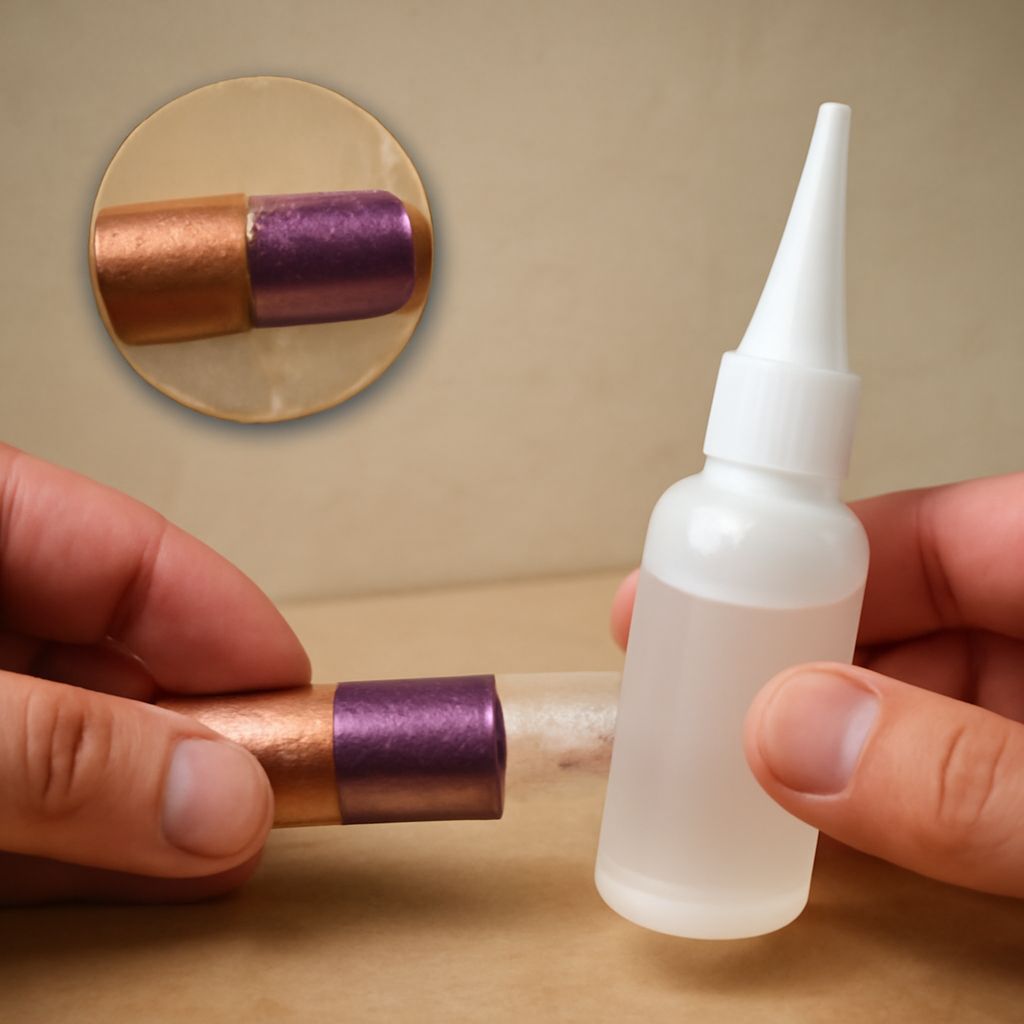
Cyanoacrylate glue, often recognized by its popular name, super glue cyanoacrylate, is a staple in many households and workshops due to its rapid bonding capabilities and versatility. However, to maintain its effectiveness and longevity, proper storage is crucial. This guide explores the best practices for storing cyanoacrylate glue, ensuring it remains in optimal condition for future use.
Introduction to Cyanoacrylate Glue
Cyanoacrylate glue is a fast-acting adhesive that bonds almost instantly to a variety of materials, including metal, plastic, ceramic, and wood. Its strength and versatility make it ideal for quick fixes and intricate projects alike. Despite its usefulness, improper storage can lead to premature curing or drying out, rendering it unusable when needed most.
Importance of Proper Storage
Proper storage of cyanoacrylate glue is essential to preserve its adhesive qualities. Exposure to air, moisture, and temperature fluctuations can cause the glue to harden inside the bottle, making it difficult or impossible to use. By storing the glue correctly, you can extend its shelf life significantly and ensure it maintains its bonding power.
Ideal Storage Conditions
To store cyanoacrylate glue effectively, it’s important to maintain the right conditions:
- Temperature: Keep the glue in a cool, dry place. The ideal storage temperature is between 45°F and 55°F (7°C to 13°C). Avoid storing it in areas that experience significant temperature fluctuations, such as garages or sheds.
- Humidity: Moisture can accelerate the curing process of cyanoacrylate glue. Store it in a low-humidity environment to prevent premature hardening.
- Container: Ensure the glue is stored in its original, tightly sealed container. If possible, store the bottle upright to prevent the nozzle from becoming clogged.
Common Mistakes to Avoid
When it comes to storing cyanoacrylate glue, several common mistakes can compromise its effectiveness:
- Leaving the cap off: Always replace the cap promptly after use to prevent air exposure.
- Storing in open containers: Do not transfer the glue to a different container, as this can increase the risk of contamination and curing.
- Exposure to heat: Never store the glue near heat sources, such as radiators or direct sunlight, as this can cause the glue to thicken or dry out.
Tips for Long-Term Storage
For those who use cyanoacrylate glue infrequently, here are some tips for long-term storage:
- Refrigeration: Storing cyanoacrylate glue in the refrigerator can extend its shelf life by slowing the curing process. Just ensure it is returned to room temperature before use.
- Use silica gel packets: Placing silica gel packets in the storage area can help absorb moisture, keeping the environment dry.
- Seal with plastic wrap: Before replacing the cap, cover the nozzle with plastic wrap to create an additional barrier against air and moisture.
Following these storage techniques will help ensure that your cyanoacrylate glue remains effective whenever you need it, ready to deliver the strong, quick bonds you rely on for various projects.