
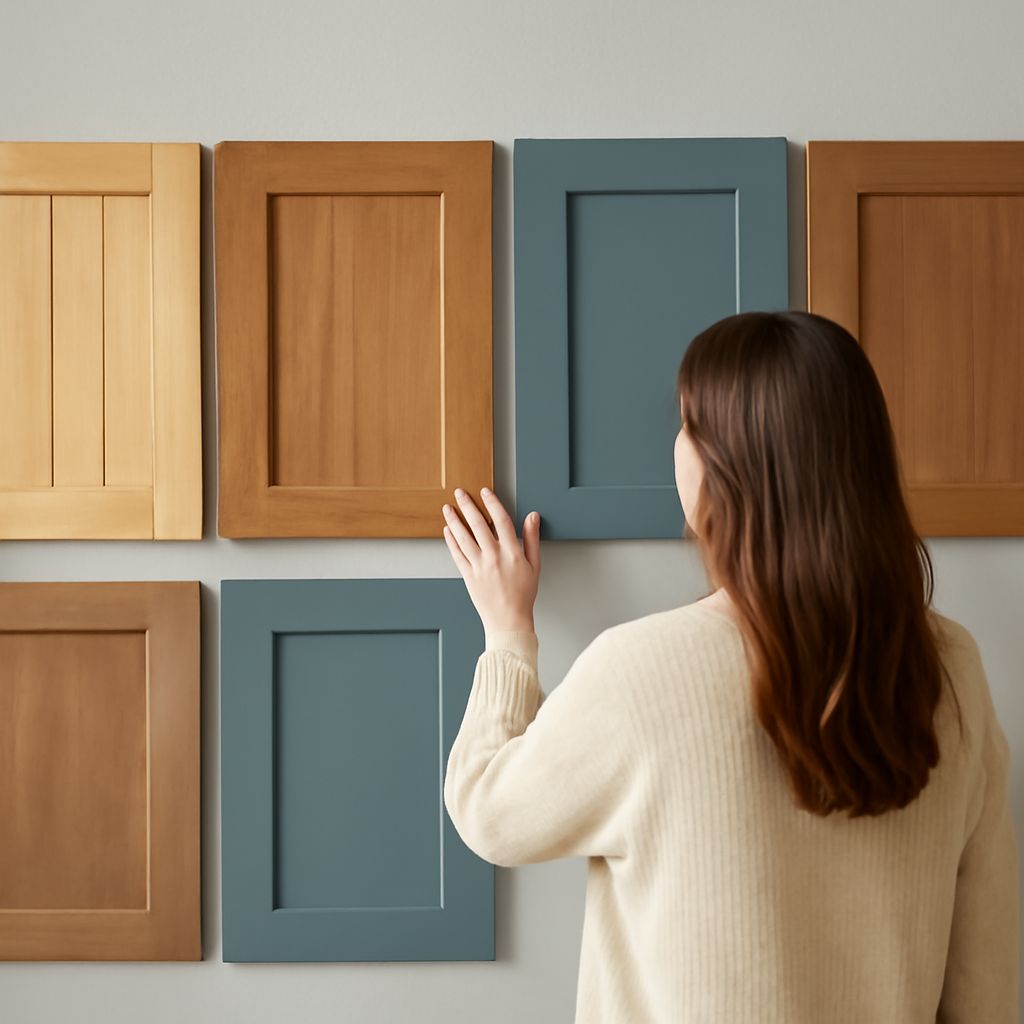
Replacing kitchen cabinet doors is a cost-effective way to give your kitchen a fresh, new look without the hassle and expense of a full renovation. By choosing the right kitchen cabinet replacement doors, you can customize your kitchen’s style and improve its functionality. In this guide, we’ll walk you through the process of replacing cabinet door panels efficiently, ensuring you achieve a seamless transformation.
Understanding Kitchen Cabinet Doors
Kitchen cabinet doors come in various styles and materials, each offering different aesthetic and practical benefits. Common types include shaker, flat-panel, and raised-panel doors. Shaker doors are known for their simplicity and versatility, while flat-panel doors provide a sleek, modern appearance. Raised-panel doors offer a more traditional, detailed look. Material options range from solid wood to laminate and thermofoil, each having distinct characteristics in terms of durability, appearance, and cost.
Choosing the Right Replacement Doors
When selecting replacement doors for your cabinets, consider the overall style of your kitchen, your budget, and the level of maintenance you’re willing to undertake. Solid wood doors are durable and can be refinished, but they might be more expensive. Laminate doors provide a cost-effective and low-maintenance option, while thermofoil doors offer a smooth finish that resists moisture and stains. Measure your current cabinet doors carefully to ensure the new ones fit perfectly.
Tools and Materials Needed
To replace kitchen cabinet doors, gather the necessary tools and materials:
- Replacement cabinet doors
- Drill
- Screwdriver
- Measuring tape
- Level
- Hinges (if not reusing old ones)
- Handles or knobs (optional)
- Sandpaper (for wooden doors)
- Wood filler (for any minor repairs)
Ensure that you have all tools on hand before starting the replacement process to avoid interruptions.
Step-by-Step Replacement Process
Follow these steps to replace your cabinet doors efficiently:
- Remove Old Doors: Use a screwdriver to remove the screws holding the old cabinet doors in place. Carefully detach the hinges, and set the old doors aside.
- Prepare the Cabinets: Examine the cabinet frames for any damage or dirt. Clean them thoroughly and use wood filler to repair any holes or cracks.
- Install Hinges: If using new hinges, align them with the pre-drilled holes on your replacement doors. Secure them using screws and a drill. Ensure they are level and match the position of the old hinges for consistency.
- Attach New Doors: Position the new doors on the cabinet frames, aligning the hinges. Secure them with screws, ensuring they are level and open and close smoothly.
- Add Handles or Knobs: If changing handles or knobs, use a drill to make holes in the designated spots. Attach the hardware securely.
Finishing Touches and Maintenance Tips
After installing the new cabinet doors, check for alignment and adjust the hinges if necessary. Apply a protective finish to wooden doors to enhance durability and appearance. Regular cleaning with suitable products will maintain the look of your doors. Avoid abrasive materials that could damage the finish. Periodically check the hinges and handles to ensure they remain secure and functional.
Replacing kitchen cabinet doors is a rewarding project that adds value and beauty to your kitchen. By following the outlined steps and considering your style preferences, you can achieve a harmonious and functional kitchen space.