
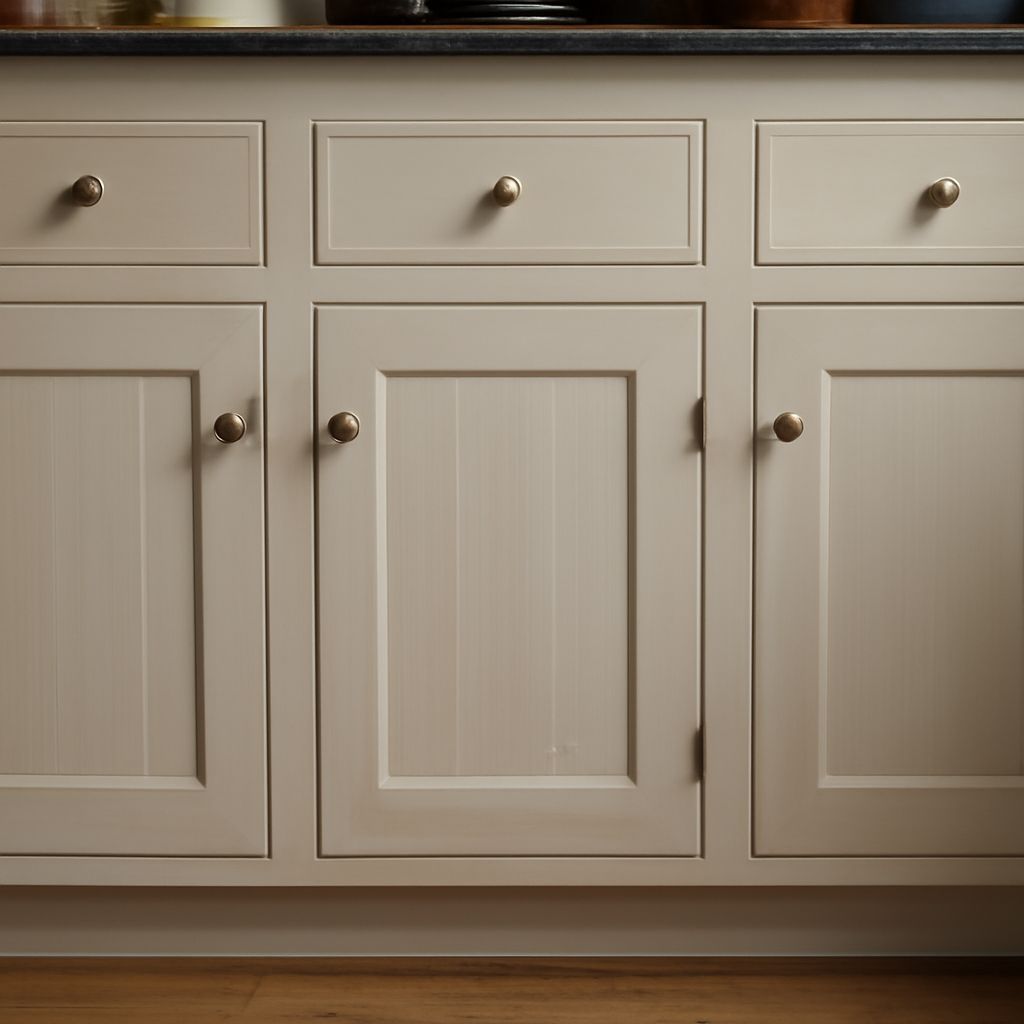
Replacing kitchen cabinet doors is a fantastic way to refresh the look of your kitchen without undergoing a complete renovation. Whether you’re updating for aesthetics or functionality, understanding the options available will help you make the right decisions. This guide explores cabinet faces, how to choose the right doors, and the steps to replacing them. Additionally, you’ll discover common cabinet door sizes and tips to ensure a successful replacement.
Understanding Cabinet Faces
Cabinet faces, also known as cabinet fronts, are the visible portion of your cabinetry. They include the doors and drawer fronts, which significantly impact the kitchen’s overall appearance. Different materials and finishes can dramatically alter the style and feel of your space. Popular materials include solid wood, plywood, medium-density fiberboard (MDF), and thermofoil. Each offers distinct benefits: solid wood provides a classic look, MDF is cost-effective, and thermofoil is easy to clean.
Choosing the Right Kitchen Cabinet Door
When selecting a kitchen cabinet door, consider the style, material, and finish that best suits your kitchen design. There are several door styles available, including shaker, slab, raised panel, and glass-front. Shaker doors are a versatile choice, suiting both modern and traditional kitchens. Slab doors offer a sleek, minimalist look, while raised panel doors provide a more ornate appearance. If you want to showcase decorative dishware, glass-front doors are an excellent option.
In addition to style, think about the material. Solid wood doors are durable and attractive but can be costly. MDF doors offer a smooth finish and are less prone to warping. For a budget-friendly option, consider laminate or thermofoil finishes, which mimic the look of wood at a lower price point.
Steps to Replace Kitchen Cabinet Doors
- Measure and Order: Begin by measuring your existing cabinet door sizes. Take precise measurements of the width and height to ensure a proper fit.
- Choose Hinges and Hardware: Decide whether you’ll reuse the existing hinges and knobs or upgrade them. Soft-close hinges are a popular modern choice.
- Remove Old Doors: Use a screwdriver to carefully remove the screws and detach the old doors from the cabinets.
- Prep Cabinet Frames: Clean and repair any damage on the cabinet frames. Sand the surface if you plan to repaint or refinish them.
- Install New Doors: Begin by attaching the hinges to the new doors. Position them against the cabinet frame and use a level to ensure they hang straight. Secure the hinges with screws.
- Add Hardware: Attach the chosen knobs or pulls to the doors, ensuring they are aligned consistently on each door.
- Adjust and Align: Make any necessary adjustments to the hinges to ensure the doors open and close smoothly and are level.
Common Cabinet Door Sizes
When replacing kitchen cabinet doors, it’s crucial to understand the typical sizes available. Standard kitchen cabinet door sizes vary depending on the cabinet type (base, wall, or tall cabinets). For base cabinets, doors are typically 24 to 36 inches high and 12 to 24 inches wide. Wall cabinet doors generally range from 12 to 42 inches high and 12 to 36 inches wide. Tall cabinet doors can be up to 96 inches high for pantry applications. Custom sizes are also available for non-standard spaces or unique design requirements.
Tips for a Successful Replacement
- Plan Ahead: Ensure you have all necessary tools and materials before starting the replacement process.
- Label Everything: Label your doors and cabinets to make the installation process smoother and avoid mix-ups.
- Take Your Time: Precision is key, so take your time with measurements and installation to achieve the best results.
- Seek Help If Needed: Don’t hesitate to hire a professional if you’re uncertain about any step in the process.
- Consider Refinishing: If your cabinet frames are in good condition, a fresh coat of paint or stain can complement your new doors beautifully.
By carefully selecting and replacing your kitchen cabinet doors, you can transform your kitchen’s look and functionality. With proper planning and execution, your kitchen will have a fresh and updated appearance that meets your design preferences and budget.