
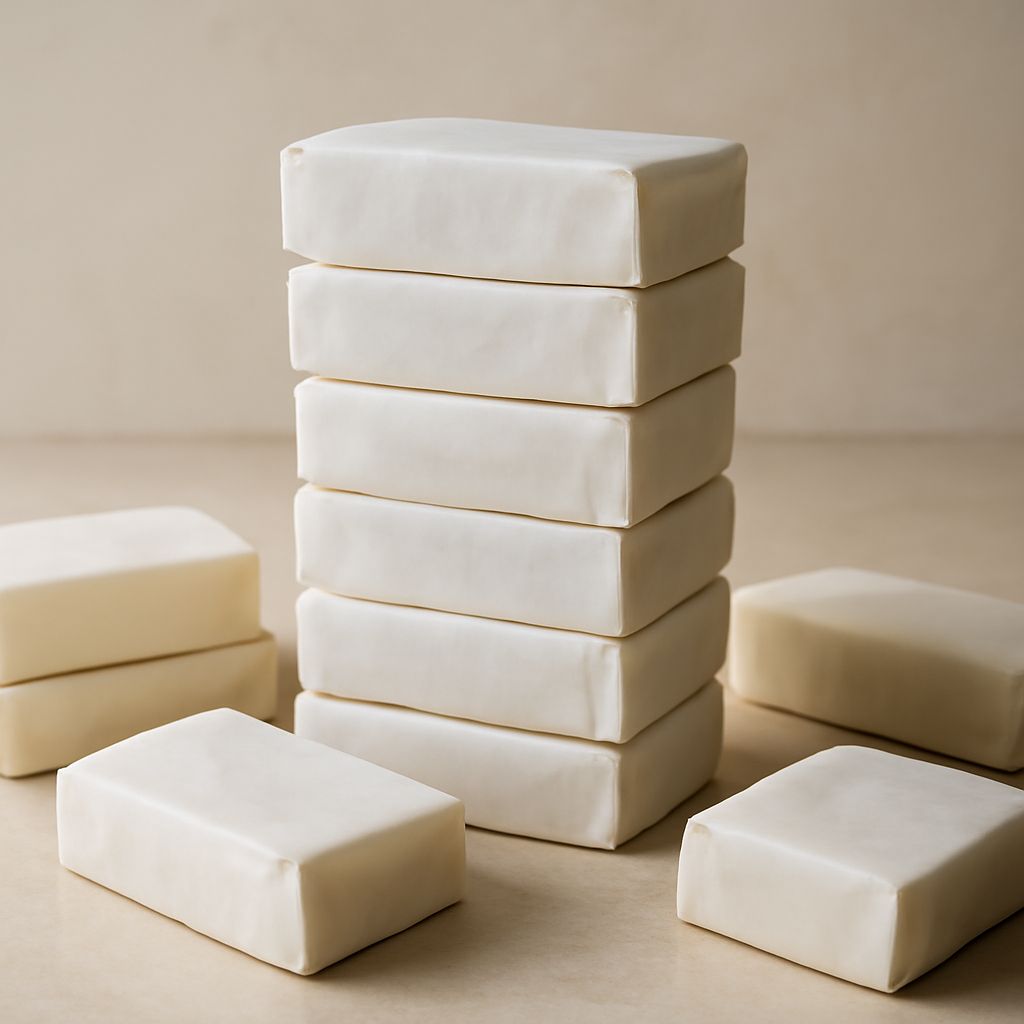
Mexican laundry detergent is not one standardized formula. Powders such as Roma and Foca are typically machine-oriented detergents, while liquid formulas vary in concentration and washer compatibility. Zote and Lirio are familiar laundry soap bars, usually chosen for handwashing or stain pretreatment.
The best choice depends on the product label, your washer, water hardness, soil level, and preferred fragrance or lather. Treat “Mexican detergent” as a product category, not a guarantee that every formula suits every laundry routine.
Mexican laundry detergent formats: Roma and Foca powders, plus liquid formulas
Roma and Foca powders are common examples of powdered laundry detergent associated with Mexican laundry use. Powder is economical for regular loads, stores well, and can work in many conventional top-load washers when dosed according to the package.
Liquid detergent dissolves immediately and is convenient for cold cycles, short washes, and targeted pretreatment. However, “liquid” does not automatically mean concentrated. Some formulas require a larger measured dose, while concentrated products may need only a small capful. Compare the package directions rather than judging strength by bottle size or fragrance.
- Powder: Often cost-effective for full loads and heavily soiled clothing, but it may leave white residue if overdosed or poorly dissolved.
- Liquid: Easier to dissolve and useful for pretreating stains, but concentration and sudsing vary widely.
- Low-sudsing detergent: Better suited to some modern washers, especially when the label identifies it as HE-compatible.
Packaging can also signal intended use. A product sold in a bag may be a powder, while a bottle usually contains liquid detergent. Neither package style replaces the directions for dose, temperature, or washer type.
Mexican laundry soap bars: Zote, Lirio, and handwashing
Zote and Lirio are recognizable examples of Mexican laundry soap bars. They are commonly rubbed directly onto damp fabric, worked into a basin, or used on collars, cuffs, and other stained areas before rinsing.
Bar soap is especially practical for handwashing because you can apply it exactly where soil is concentrated. It may also produce a richer, more noticeable lather than a low-sudsing machine detergent. That lather feels effective, but it is not a reliable measure of cleaning power.
Do not assume a laundry soap bar belongs in a washer. Soap can combine with minerals in hard water and leave a film, particularly when the machine uses little water. Grating a bar into a wash is also not automatically safe; use that method only if the product directions support it and the soap dissolves fully.
Choosing Mexican detergent for handwashing, HE washers, and hard water
For handwashing, choose a bar or a hand-laundry detergent that rinses easily. Dissolve powder in water before adding clothing, and wear gloves if the formula irritates your skin. Work soap into stains gently, then rinse until the water runs clear and the fabric no longer feels slick.
For a high-efficiency washer, select a product explicitly marked HE or approved for low-water machines. HE washers need controlled suds. Excess foam can reduce rinsing performance, trigger errors, or leave detergent behind. A traditional powder or soap bar may be unsuitable even if it cleans well in a deep-fill washer.
Hard water can reduce lather and make soap residue more noticeable. If clothing feels waxy, looks dull, or retains odor after washing, reduce soap use, improve rinsing, or switch to a detergent designed for your water conditions. A water-softening product may help when the label permits it, but it does not make every bar suitable for every washer.
Compare concentration, fragrance, lather, and stain pretreatment
Compare products by measured dose and performance, not by scent or foam. Strong fragrance can remain on fabric after rinsing and may bother sensitive skin. Unscented or lightly scented formulas are often easier to evaluate because they do not mask leftover odor.
For everyday laundry, match the dose to load size, soil, and water level. Heavily soiled workwear may need more detergent than lightly worn clothing, but extra product can leave residue. For stains, apply liquid detergent or dampened bar soap to the area, wait briefly according to the label, and wash promptly. Test bright or delicate fabric in an unseen spot first.
Dose, dissolve, rinse, and store according to the label
- Measure: Use the package cap or scoop. Start with the recommended amount for your load and water level, not an unmeasured handful.
- Dissolve: Add powder to the designated dispenser or dissolve it before handwashing. Avoid packing dry powder onto clothing.
- Load correctly: Leave room for water and movement. Overloading can look like a detergent problem when soil and residue are actually trapped in the fabric.
- Rinse: Add an extra rinse when clothing feels slippery, smells strongly of detergent, or shows visible powder.
- Store: Seal powder against humidity, keep liquid upright with its cap closed, and place soap bars where they can dry between uses.
Always follow the specific label for water temperature, pretreatment time, dose limits, and machine compatibility. Product formulas and directions can differ even when two items are sold as powder, liquid, or bar soap.