
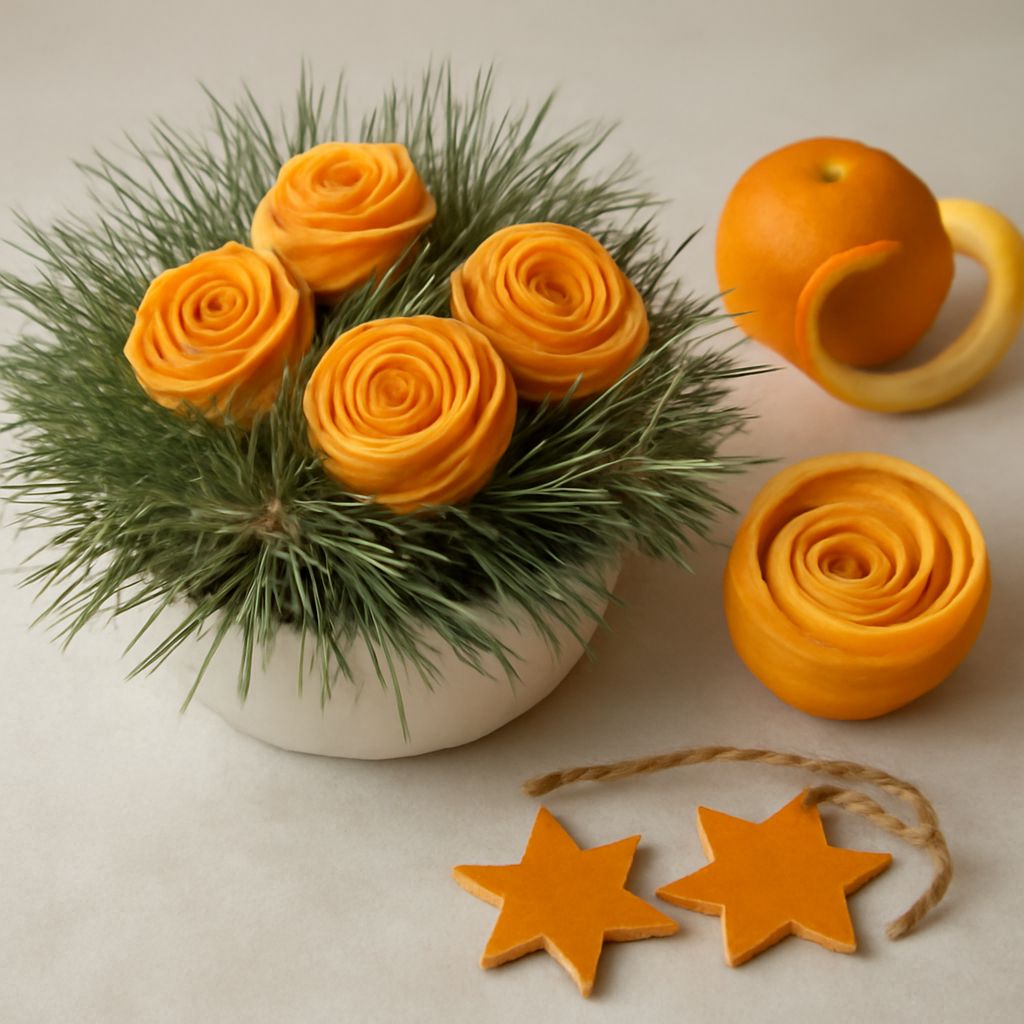
Orange peels have practical uses at home, especially for cleaning, storage, and low-waste routine care. You can dry them for scent, add them to compost, or use them in simple household refresh tasks without buying extra specialty products.
The best approach is to match the peel to the job. Fresh peels work well for short-term reuse, while dried peels store better and fit longer-term organization systems. That makes them easy to fold into ordinary cleaning and kitchen routines.
What to Know
Orange peels are useful because they still hold oils, texture, and moisture after the fruit is eaten. Those qualities make them handy for a few everyday tasks. They can help freshen a space, support composting, and reduce food waste when handled quickly.
For most home uses, the peel should be clean, dry, and free of soft spots. If the fruit was waxed or heavily treated, wash the outside well before saving the peel. That keeps the reuse step simple and more practical for regular household routines.
Think of orange peel as a short-life ingredient. It is best used soon after peeling or preserved in a dry form. If you wait too long, it can mold, smell sour, and become harder to manage in the kitchen or utility area.
Practical Ways to Use Them
One of the easiest uses for orange peels is to add them to compost. Chop the peel into smaller pieces so it breaks down faster. This works well in a balanced compost pile that already has paper, leaves, or other dry material.
You can also dry orange peels for simple home freshening. Spread them in a single layer and let them air-dry until brittle. Then store the dried pieces in a jar or breathable container and place a few near a trash bin, pantry shelf, or closet.
Another practical use is a brief sink or countertop refresh. Rub the inner side of a fresh peel over a surface, then wipe the area with a damp cloth. This can help loosen light residue and leave a citrus scent behind. Do not rely on it for heavy messes or greasy build-up.
Orange peels can also be simmered in water for a short-lived room freshening effect. Use them briefly, then discard the softened peel or compost it if appropriate. Keep the pot watched closely and do not let it dry out.
If you like simple kitchen organization habits, save peels in a labeled container until trash day or compost day. That keeps them out of the way and helps you build a repeatable routine instead of guessing what to do with each peel.
Storage and Prep
Good storage starts with quick prep. Remove any large bits of fruit, then pat the peel dry. If you plan to reuse it within a day or two, refrigerate it in a covered container. For longer storage, dry it fully first.
A paper-lined tray works well for drying. Turn the peels once or twice so moisture escapes evenly. Once they feel crisp, move them to an airtight jar or container. Label it if you keep more than one type of dried kitchen scrap on hand.
If you compost, keep a small countertop container for peels and other fruit scraps. Empty it often so the contents do not turn soft or attract flies. A regular emptying schedule is more important than the size of the container.
For a tidy pantry or cleaning shelf, group dried peels with other low-use household ingredients. Keep them separate from food meant for eating later. Clear storage helps prevent confusion and keeps the system easy to maintain.
Common Variations
Fresh peels and dried peels serve different purposes. Fresh peels are best for short-term scent or quick cleanup tasks. Dried peels are better for storage, composting later, or adding to homemade sachets placed in drawers or bins.
Small pieces break down faster in compost and dry faster for storage. Larger strips are easier to handle and look neater in a jar, but they take longer to dry. Choose the size based on the task, not on appearance alone.
Some people save peels from snack oranges, while others collect them after juicing. Juice peels tend to be thinner and more compact, which makes them easier to dry. Thicker peels may take longer, but they can still be useful if prepared well.
If you want a stronger temporary scent, use fresher peels. If you want a cleaner storage method, dry them first. That simple split keeps the process practical and prevents waste from piling up in the kitchen.
Mistakes to Avoid
Do not store wet peels in a closed container for long. Moisture trapped inside a container encourages mold and odor. If the peel is damp, dry it first or use it immediately.
Do not expect orange peels to replace proper cleaners for every job. They may help with light freshening or loosening residue, but they are not a complete solution for sticky messes, disinfecting needs, or deep-cleaning tasks.
Avoid putting large, uncut peels straight into compost if your setup is slow or small. They can take longer to break down and may linger on top of the pile. Cutting them up makes the process easier.
Do not keep saved peels indefinitely. Even dried pieces lose usefulness over time. Rotate them through your routine, use them within a reasonable period, and discard anything that smells off, feels soft, or shows mold.
When handled well, orange peels are a simple part of everyday home care. Use them quickly, dry them when needed, and keep their storage method easy enough to repeat. That is what makes the reuse practical.