
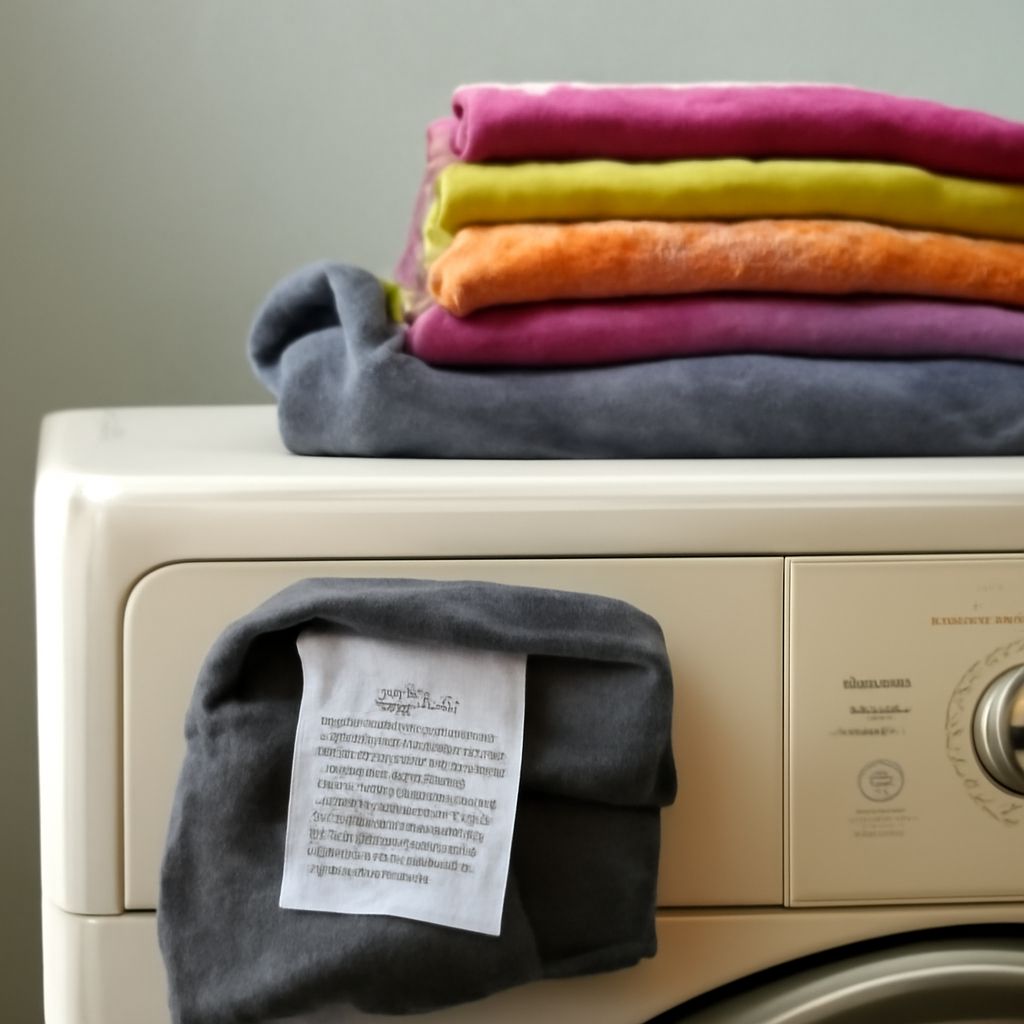
How much does 100% cotton shrink? Many cotton garments shrink about 3–5% after washing, but that is a working range, not a guarantee. An untreated, loosely constructed item exposed to hot water and high dryer heat can shrink more, while a preshrunk garment may change very little.
The largest change often happens during the first wash because manufacturing tension relaxes. Further shrinkage can still occur when repeated washing combines heat, moisture, agitation, and tumble drying.
How much does 100% cotton shrink? A cautious 3–5% range by construction, finish, and history
Shrinkage is usually measured separately by direction. A shirt might lose more length than width, or the reverse, depending on its fabric construction. Knits, such as jersey T-shirts, can change differently from tightly woven cotton shirts. A loose weave or knit generally leaves more room for movement.
- Preshrinking: Manufacturers may wash, steam, or otherwise relax the fabric before cutting and sewing. This reduces later change, but “preshrunk” does not mean shrink-proof.
- Garment finishing: Treatments applied during production can stabilize the fabric or alter its texture. Their effectiveness varies by product and manufacturer.
- Laundering history: A new, unwashed garment usually has more potential change than one washed several times. Previous washing may already have removed some tension.
- Care conditions: Hot water, vigorous agitation, and high tumble heat increase the risk. Cooler water and gentler handling are less stressful.
For example, a 30-inch shirt length that shrinks 3% would lose about 0.9 inch. That example describes length only; the width may change by a different amount. Always check the actual garment rather than treating a percentage as a promise.
Does cotton shrink every time you wash it? First wash versus repeated heat and agitation
Cotton does not necessarily shrink noticeably after every wash, but it can continue changing over time. The first laundering typically produces the most visible adjustment, especially if the item was not preshrunk. Later washes may cause smaller changes, yet repeated exposure to heat and agitation can add to the total.
High-heat tumble drying is often more damaging to size than a cool wash followed by air-drying. A garment may also appear smaller because its fibers or loops have tightened. Gentle reshaping while damp can restore some of that appearance, but it cannot reliably reverse permanent fiber shrinkage.
Follow the care label before choosing a routine. It reflects the fabric, dyes, seams, and finishing used in that particular garment. If the label permits machine washing, use the coolest suitable setting and avoid assuming that a short cycle eliminates shrinkage risk.
How to keep cotton from shrinking: follow the label, wash cool, reshape, and dry low or air-dry
Use this routine to preserve the original size as closely as possible:
- Read the care label. Use the stated water temperature, cycle, and drying instructions. If hand-washing or line-drying is specified, treat those directions as limits rather than suggestions.
- Wash cool. Choose cold or cool water when the label allows it. Lower temperatures reduce fiber relaxation and are usually gentler on cotton dyes.
- Reduce agitation. Select a gentle or delicate cycle, avoid unnecessarily long washing, and do not scrub or wring the garment. Place delicate cotton in a mesh bag if the label supports machine washing.
- Remove it promptly. Take the garment from the washer soon after the cycle ends. Do not twist it to remove water; press or gently squeeze instead.
- Reshape while damp. Lay it flat or hang it in the manner recommended on the label. Smooth the side seams, cuffs, collar, and hem, then ease the fabric back toward its original dimensions.
- Choose air-drying or low heat. Air-drying is the safest size-preserving option when practical. If a dryer is allowed, use low heat and remove the item while slightly damp, then finish drying flat or on a suitable hanger.
Avoid high heat, even if the garment looks only slightly smaller after one cycle. Repeated hot drying can compound the change. Do not stretch aggressively, because that can distort the fabric rather than restore its original fit.
Measure before and after: track length, width, and fit
For a reliable comparison, measure the garment before its first wash. Lay it flat without stretching and record at least the body length and width. For trousers, also record the inseam; for sleeves, measure from the shoulder seam to the cuff.
After washing and drying, let the garment reach its normal dry state. Lay it in the same position and measure the same points. Calculate each change separately: (original measurement − new measurement) ÷ original measurement × 100. Compare length and width independently, because one may shrink more than the other.
Repeat the comparison after later washes using the same water temperature, cycle, drying method, and measuring position. Stable measurements suggest the garment has largely settled; a continuing drop signals that heat or agitation is still causing additional change.