
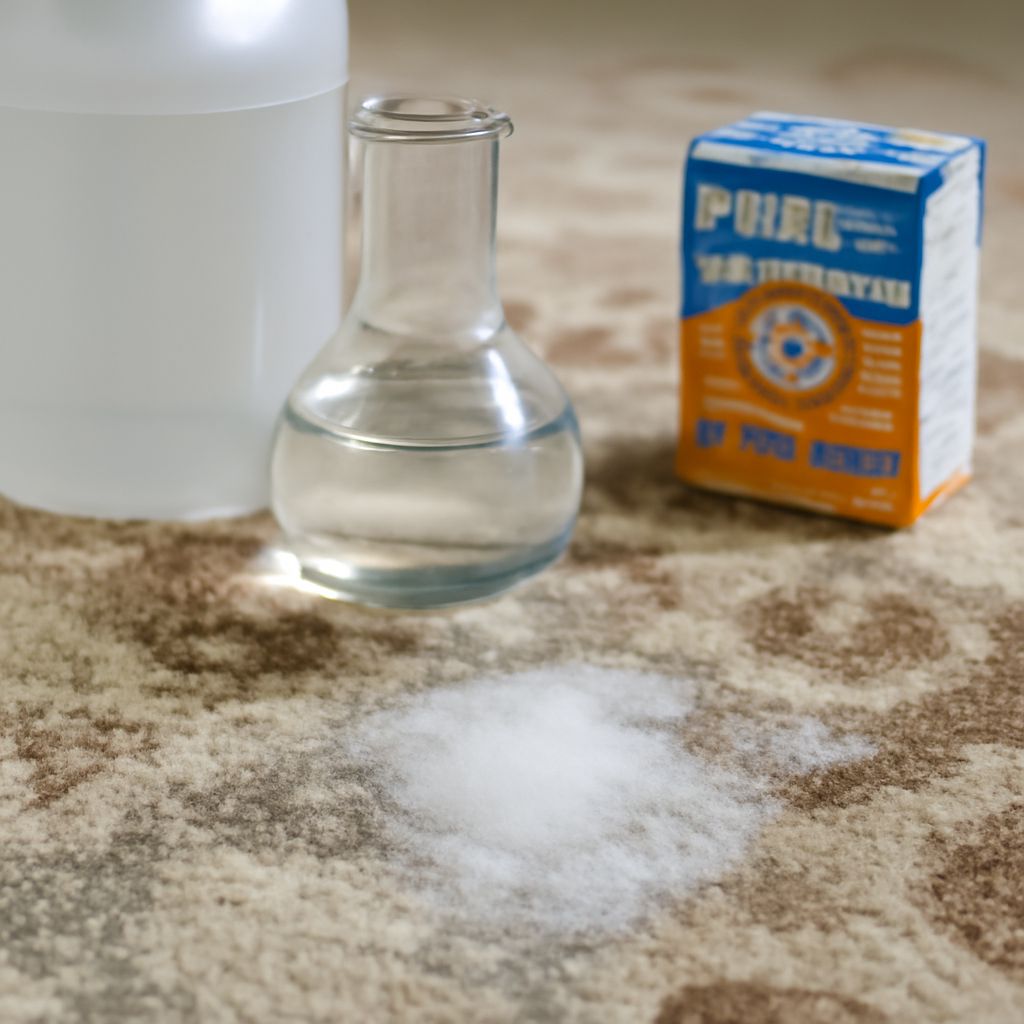
A DIY carpet cleaning solution can handle fresh spills, light traffic marks, and routine spot cleaning when you use it correctly. The goal is simple: loosen soil, lift odor, and avoid leaving residue that attracts more dirt.
Start with a small batch, test it in a hidden spot, and use only the amount you need. If the stain does not budge after a few passes, stop and switch to a different approach rather than over-wetting the carpet.
What to Know Before You Mix
The safest home recipe is one that matches the stain and the carpet fiber. Most carpets respond well to a mild solution, but delicate fibers and dark dyes can react differently. Always check the care label if you have one, and test the cleaner in an out-of-sight corner first.
For routine spot cleaning, you usually need warm water, white vinegar, and a small amount of dish soap. Vinegar helps break down light soil and odors. Soap helps the mix spread and lift grime. Use distilled water if your tap water is very hard, because mineral-heavy water can leave a film.
Keep your tools simple: a spray bottle, clean microfiber cloths, a soft brush, and a dry towel. Avoid soaking the carpet pad. The surface should be damp, not wet. Good airflow helps the area dry faster and reduces the chance of lingering smell.
A Practical Carpet Cleaner Recipe
Here is a straightforward recipe for a general spot cleaner:
- 2 cups warm water
- 1/2 cup white vinegar
- 1 teaspoon liquid dish soap
Combine the ingredients in a spray bottle and shake gently. Do not overfill, because you need room to shake the mix before each use. Label the bottle so it does not get mixed up with other cleaners.
To use it, blot the stain first with a dry cloth. Spray a light mist over the area, then let it sit for 3 to 5 minutes. Blot again with a clean cloth, working from the outside of the stain toward the center. Repeat once if needed. Finish by pressing a dry towel on the spot to remove extra moisture.
If the stain was caused by food, dirt, or everyday spills, this method often removes the visible mark and freshens the area. When the carpet dries, check whether the stain is gone and whether the texture feels normal. A successful result looks clean, dry, and free of sticky residue.
Common Homemade Variations
Different messes call for small adjustments. Keep the method practical and avoid mixing too many ingredients at once.
- Odor help: Sprinkle a little baking soda on the dry carpet before spraying the solution. Let it sit for 10 to 15 minutes, then vacuum after the area dries.
- Greasy spots: Add one extra drop of dish soap, but no more. Too much soap can leave residue.
- Low-odor option: Use plain water with a tiny amount of soap for sensitive spaces, then blot thoroughly.
- Storage-friendly batch: Make only one bottle at a time so the mixture stays fresh and easy to track in your cleaning routine.
These variations work best as part of a simple home system. Keep one bottle with labels, one cloth for application, and one dry towel for finishing. That small setup makes it easier to clean quickly without hunting for supplies.
Mistakes to Avoid and What to Try Next
The most common mistake is using too much liquid. Saturating carpet can push soil deeper and slow drying. Another mistake is scrubbing hard. Aggressive rubbing can spread the stain and rough up the fibers. Blotting is usually safer and more effective.
Avoid mixing vinegar with bleach or any cleaner that contains bleach. Do not use a strong solution on wool, silk, or other delicate carpets unless the manufacturer says it is safe. If a stain is already set, heat can make it worse, so skip hot water and use warm water instead.
If the stain remains after two gentle attempts, move to the next step: vacuum the area after it dries, then try a fresh batch or a different method suited to the stain type. For example, enzyme-based cleaners are often better for pet messes, while dry baking soda can help with lingering odor. If the carpet still looks dull, the issue may be embedded soil rather than a single spot, and a deeper cleaning routine may be needed.
The best home carpet cleaner is the one that fits the mess, dries quickly, and leaves no sticky trace. Keep the recipe simple, store it clearly, and use it as a regular part of your cleaning routine for faster touch-ups.