
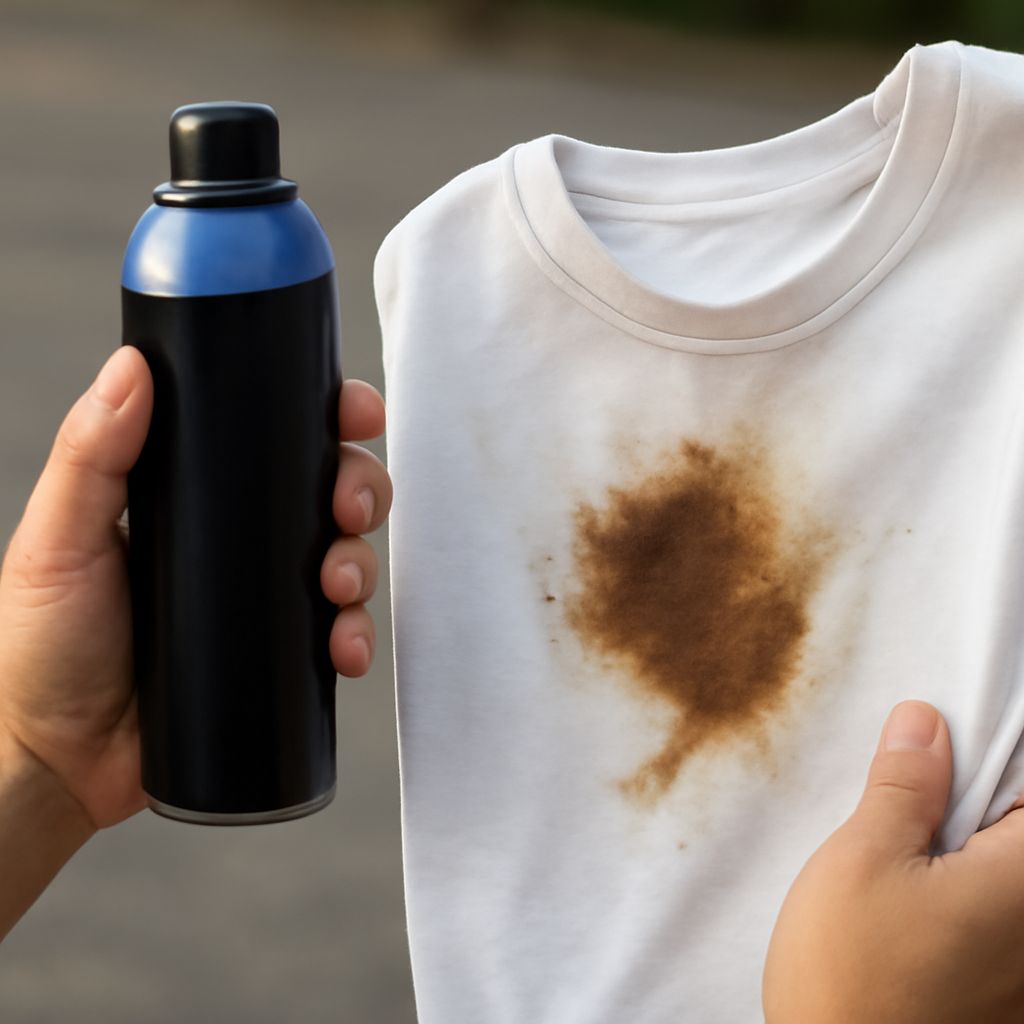
The most effective smoke eliminator is a source-removal process, not a fragrance. Stop active smoke entry first, then clean residue from fabrics, dust, walls, cabinets, floors, filters, and other porous materials. Work from cleaner areas toward dirtier ones, and dry each material completely.
Ventilation helps after contaminated surfaces are cleaned. Air fresheners, fragrance sprays, and fogging may hide smoke odor temporarily, but they do not remove nicotine and tar residue.
Smoke Eliminator Workflow: Stop Entry and Map Every Reservoir
- Stop the source. Prevent indoor smoking and check windows, doors, shared walls, crawl spaces, and return-air pathways for incoming smoke. Active entry must be corrected before cleaning.
- Map reservoirs. Note washable textiles, upholstery, carpet, settled dust, painted walls and ceilings, cabinets, wood, flooring, vents, filters, and porous objects such as books or unfinished furniture.
- Remove loose contamination. Vacuum with a sealed vacuum and, where possible, a HEPA filter. Replace heavily loaded vacuum bags or filters outdoors.
- Clean from top to bottom. Wash textiles, clean ceilings and walls, degrease fixtures and cabinets, then extract upholstery and carpet. Keep windows open or use exhaust ventilation when conditions allow.
Test every cleaner on an inconspicuous area. Never mix bleach with ammonia, acids, or other cleaning chemicals.
Wash Textiles, Upholstery, Carpet, and Dust
Wash curtains, removable covers, bedding, clothing, and washable rugs using the hottest manufacturer-approved cycle and a quality laundry detergent. Repeat the wash if the fabric still smells after drying. Do not return items until they are fully dry.
For upholstery and carpet, vacuum slowly in overlapping passes. Apply a fabric-safe surfactant cleaner, agitate gently, and use hot-water extraction only when the material and backing permit it. Excess water can drive residue deeper or cause mold. Dry rapidly with fans and ventilation.
Enzyme cleaners can help with organic odors, but they are not a universal treatment for nicotine and tar. Use a product labeled for smoke residue when available, and follow its dwell time and rinsing instructions. Wash or replace contaminated cushion inserts when the odor remains inside the foam.
Degrease Painted Walls, Ceilings, Cabinets, Wood, and Floors
Smoke residue forms a yellow, oily film on painted surfaces. Start with warm water and a mild detergent or degreasing surfactant. Wash small sections, rinse with clean water, and dry immediately. Ceilings often need extra passes because residue settles upward over time.
For stubborn buildup, use a stronger cleaner suitable for the finish, such as a properly diluted phosphate-free degreaser. Protect flooring and wear gloves. Avoid saturating drywall, plaster, laminate seams, or unsealed wood.
Clean cabinet interiors, doors, trim, light fixtures, and doors because these surfaces retain odor even when walls look clean. Wipe finished wood with a wood-safe cleaner, then dry it. Unsealed wood may require light abrasion and refinishing. Clean hard flooring with its recommended product; replace damaged underlayment if contamination has penetrated below the surface.
Do not seal over dirty surfaces. After washing and drying, apply an odor-blocking primer to stained painted surfaces if odor persists, then repaint with a compatible finish.
Choose a Cigarette Smoke Odor Eliminator for Porous Items
A cigarette smoke odor eliminator should match the reservoir. Surfactant cleaners remove oily residue from washable surfaces. Enzyme or specialized odor products may assist with remaining odor in fabrics, but they work best after physical cleaning and extraction.
Activated carbon or zeolite can adsorb airborne odor while source cleaning continues. Place the media near the affected room or in an air purifier designed to hold substantial carbon. HEPA filtration captures particles, but ordinary HEPA media does not remove gases or residue without an odor-control layer.
Deeply porous items, including unfinished wood, books, foam, mattresses, insulation, and some upholstered furniture, may not respond to surface treatment. Clean what can be safely cleaned, isolate items while they dry, and reassess. Replace materials that remain strongly odorous, visibly stained, water-damaged, or contaminated throughout their thickness. Sealing is appropriate only after cleaning and complete drying.
Treat Air Paths, Ventilate, Replace Filters, and Reassess
Replace HVAC return and supply filters, then clean accessible grilles and registers. Use the system’s specified filter size and rating; a filter loaded with residue can redistribute odor. If duct insulation or inaccessible internal surfaces are contaminated, arrange professional inspection rather than spraying unapproved chemicals into the ductwork.
Ventilate during and after cleaning, using cross-ventilation or an exhaust fan that releases air outdoors. Run a properly sized purifier with HEPA filtration and activated carbon, but treat it as support—not a substitute for cleaning.
After everything dries, close the room for several hours and reassess at floor, furniture, cabinet, and vent level. A returning odor usually identifies an overlooked reservoir, ongoing entry, damp material, or contaminated filter. Clean that source, repeat extraction, seal a prepared surface, or replace the porous item before using fragrance products.