
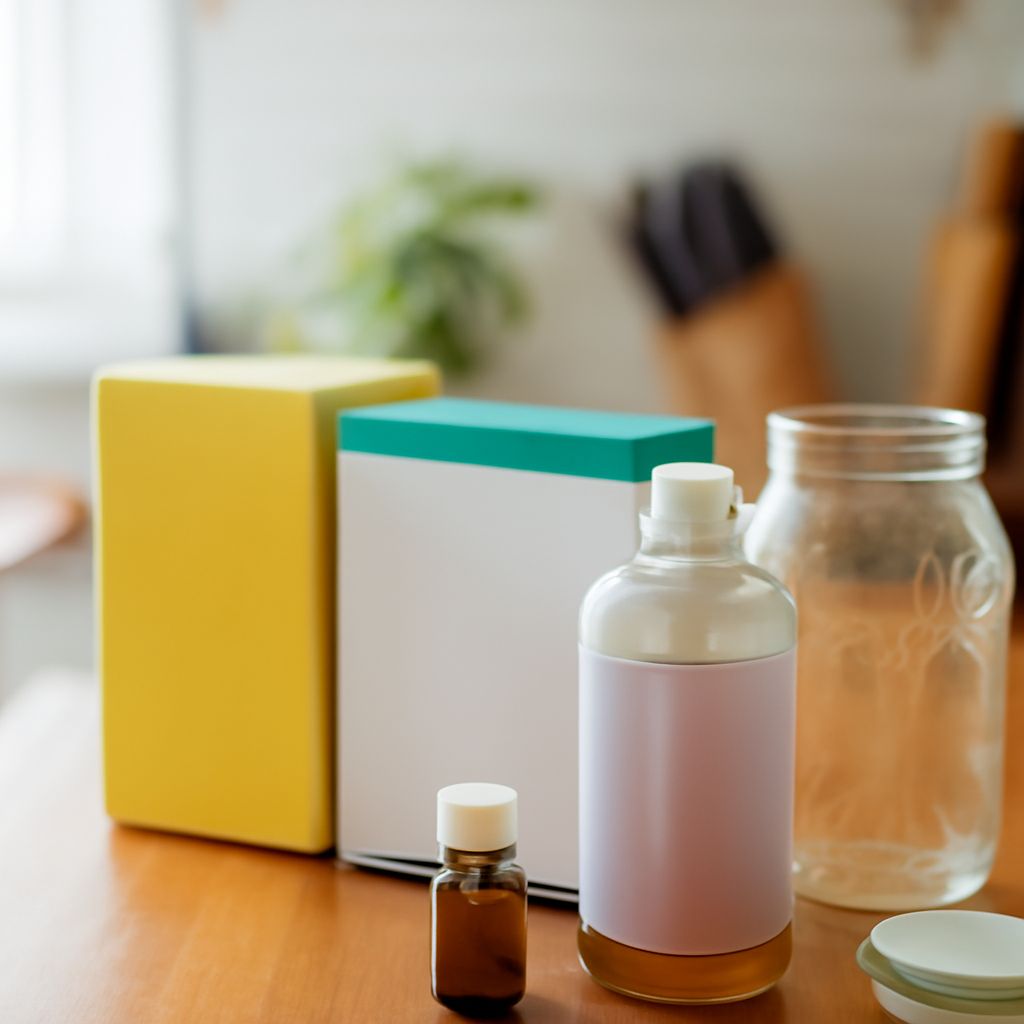
Homemade liquid laundry detergent is easy to make in a one-gallon batch. This formula yields about 16 cups and uses grated laundry soap, washing soda, and borax.
It is a soap-based cleaner, not a synthetic detergent. That distinction matters: soap can react with calcium and magnesium in hard water, leaving film or reducing soil removal.
Homemade liquid laundry detergent: ingredients, equipment, and yield
- 1 gallon water total, divided for mixing
- 1.25 ounces (35 grams) finely grated, unscented laundry soap
- 1/4 cup washing soda (sodium carbonate)
- 1/4 cup borax
- A heat-safe pot, long spoon, measuring cups, funnel, and a clean container holding at least 1.25 gallons
The soap lifts oily soil. Washing soda raises alkalinity and helps suspend dirt, while borax supports cleaning and water conditioning. Use a laundry soap bar rather than moisturizing hand soap, which can add excess oils.
Liquid laundry detergent recipe: ordered mixing steps
- Heat 2 cups of the water until steaming, but do not boil it.
- Add the grated soap gradually. Stir for three to five minutes, until no flakes remain.
- Remove the pot from the heat. Stir in the washing soda until dissolved, then stir in the borax until the liquid is smooth and grit-free.
- Pour the hot mixture into a heat-safe bucket or large container. Add the remaining 14 cups of water and stir thoroughly.
- Let the mixture cool until it is warm rather than hot before transferring it to the final storage container.
The correct dissolve cue is a clear to slightly cloudy liquid with no powder or soap flakes at the bottom. If grit remains, keep stirring while the mixture is warm. Do not add the powders before the soap has dissolved.
How to make liquid laundry soap: cooling, settling, and storage
After mixing, leave the batch undisturbed for 12 to 24 hours. It may become gel-like, remain thin, or separate into layers. Those changes are normal for homemade soap. Stir or shake the cooled batch before the first use and whenever it settles.
Use a sturdy HDPE bucket or jug, not a food container. Leave about 2 inches of headspace so the liquid can be shaken safely. Keep the container loosely covered while hot, then cap it after cooling completely. Label it with the contents, mixing date, and dose.
Store it in a cool, dark place and use it within six weeks. Discard it sooner if it develops a sour or rotten odor, visible mold, gas pressure, or a texture that will not remix.
Dose each load by soil, washer, and water hardness
- Standard top-loader, normal load: Use 1/3 cup.
- Standard top-loader, large or heavily soiled load: Use 1/2 cup.
- HE washer: Start with 2 tablespoons for a normal load and 3 tablespoons for heavy soil, but use homemade soap only if the machine manufacturer permits it. Follow the washer’s instructions for the dispenser.
Use the warmest water safe for the fabric. Warm water usually dissolves soap more reliably than a cold cycle. In hard water, begin with the lower dose, select an extra rinse, and do not keep adding soap to solve poor cleaning. More soap can create more calcium-soap residue.
Hard water is the main limitation of this formula. If clothing stays dull or develops a waxy film, a synthetic detergent with builders will usually outperform soap. Pre-treat greasy collars and food stains rather than simply increasing the dose.
Check cleaning, rinsing, residue, and odor
Test the first few loads with a white towel, a cotton shirt, and a normally soiled item. After washing, the fabrics should feel clean rather than slippery, stiff, or coated. Dry laundry should smell neutral, not strongly perfumed or sour.
- White or gray film, stiff fabric, or flakes: Reduce the dose, use warmer water, clean the dispenser, and run an extra rinse. Persistent residue usually indicates hard water or too much soap.
- Grease, collar soil, or body odor remains: Increase wash temperature or cycle time when safe, pre-treat the item, and consider a synthetic detergent for oily loads.
- Musty laundry odor: Do not overload the washer. Remove clothes promptly, clean the washer gasket and drum, and dry items completely.
- Sour-smelling liquid: Stop using the batch and discard it, even if the layers still appear to mix.