
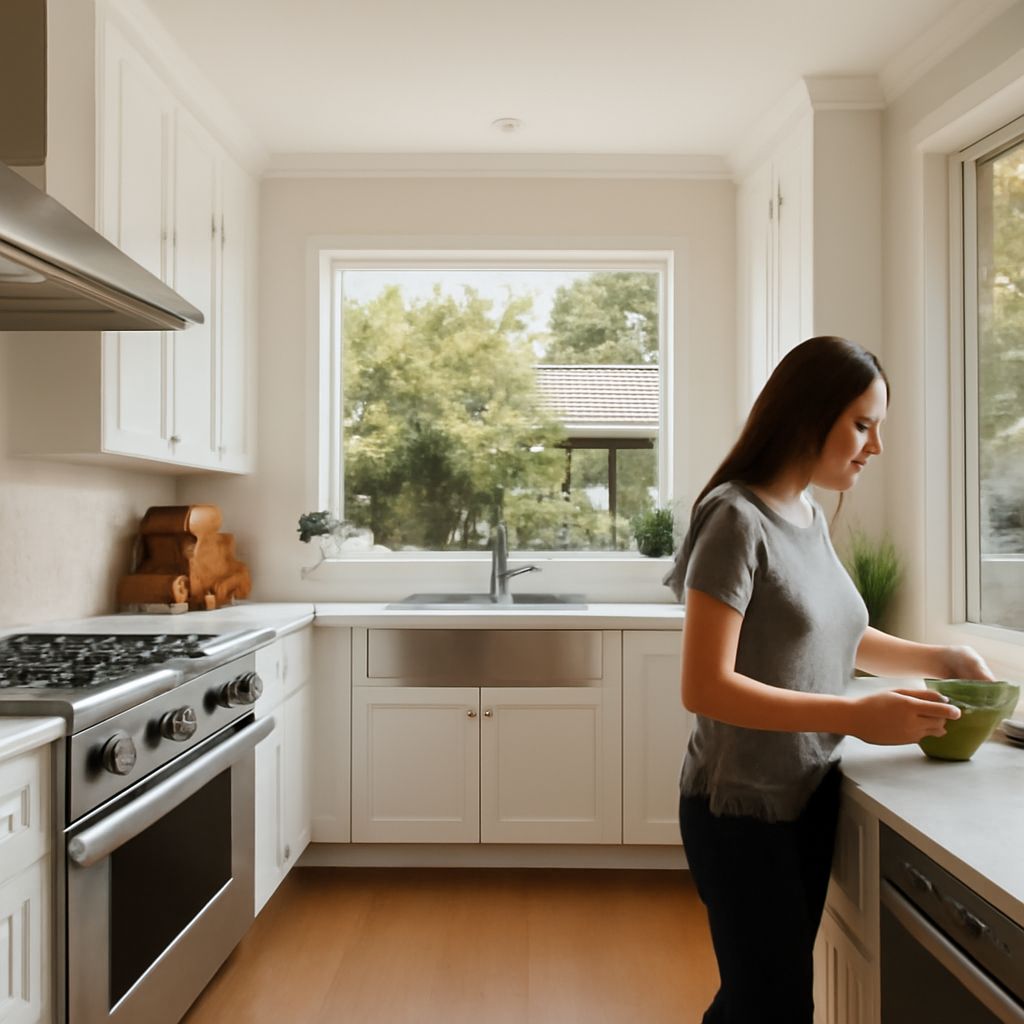
The answer to how much do cabinets cost depends on the cabinet tier, layout, and work included. For a typical kitchen, cabinet-only pricing often falls between $100 and $1,200 or more per linear foot. A complete installed cabinet project commonly costs about $8,000 to $60,000+, with many midrange kitchens landing between $15,000 and $30,000.
Use those figures to set a budget, not to approve a quote. A reliable estimate identifies every cabinet box, door, drawer, finish, accessory, delivery charge, removal cost, and installation task.
How Much Do Cabinets Cost? Typical Ranges by Project
Project size and cabinet quality create wide price bands. These representative ranges cover cabinet packages and typical installation, but generally exclude countertops, appliances, plumbing, and major electrical work.
- Small stock kitchen: $8,000–$15,000 installed.
- Medium semi-custom kitchen: $15,000–$30,000 installed.
- Large or premium semi-custom kitchen: $25,000–$45,000 installed.
- Large custom kitchen: $35,000–$60,000 or more installed.
Cabinet-only pricing is lower because it excludes labor and project services. Stock cabinets may cost $100–$300 per linear foot. Semi-custom cabinets often cost $150–$650 per linear foot. Custom cabinets commonly cost $500–$1,200 or more per linear foot.
For a useful first budget, estimate the cabinet package separately from installation and other services. Then add a contingency of 10% to 20% for fillers, unexpected wall conditions, replacement parts, and design changes.
Cabinet Cost per Linear Foot: Count the Mix Carefully
Cabinet cost per linear foot is a convenient comparison, but it is not a complete quote. One linear foot usually means 12 inches of cabinet run. A contractor may measure the wall length, add the base and wall runs separately, or use a combined footage figure. Ask which method the quote uses.
Count each run and cabinet type separately. For example, a kitchen might include 12 linear feet of base cabinets, 10 linear feet of wall cabinets, two tall pantry units, and two corner cabinets. A quote that simply says “24 linear feet” hides important price differences.
- Base cabinets hold more material and hardware than many wall units and may include drawers or sink supports.
- Wall cabinets vary by height, depth, glass doors, lift-up doors, and interior fittings.
- Tall cabinets are often priced by the unit because a pantry or oven tower can cost more than several standard feet.
- Corner cabinets require specialized construction, such as a lazy Susan, diagonal corner, or blind-corner pullout.
- End panels, finished sides, fillers, and appliance panels may be priced separately rather than included in footage.
A 24-foot kitchen made mostly from standard doors will not cost the same as a 24-foot kitchen with deep drawers, two tall pantries, finished ends, and several corner accessories. Request unit prices or a cabinet schedule before relying on a linear-foot calculation.
How Much Do New Cabinets Cost? Compare the Tiers
Cabinet tiers differ in sizing, materials, finish choices, and ordering flexibility.
- Stock cabinets: These use fixed widths and a limited selection of door styles and finishes. They offer the lowest price and fastest availability, but fillers may be needed to fit an unusual wall. Stock cabinets work well for straightforward layouts with standard appliance spaces.
- Semi-custom cabinets: These provide more door styles, finishes, depths, widths, drawer configurations, and storage accessories. They cost more than stock cabinets but usually solve awkward spaces without the expense of fully custom work.
- Custom cabinets: These are built to the specific room and design. You can request unusual dimensions, specialty woods, furniture details, integrated features, and highly specific storage. Labor, design time, and finishing make custom cabinets the most expensive tier.
When comparing tiers, check what the listed price includes. One manufacturer may include finished ends and soft-close drawers, while another treats them as upgrades. Compare the same door material, finish, interior construction, and hardware package.
Features and Layout Choices That Change Price
The cabinet box is only one part of the price. Doors, drawers, finish work, and storage components can substantially change the total.
- Doors and finishes: Paint-grade finishes, stained hardwood, inset doors, specialty glazes, and high-durability coatings typically cost more than standard laminate or thermofoil options.
- Drawers: Deep drawers, full-extension slides, dovetail construction, and soft-close hardware increase cost. A kitchen designed with many drawers may be more expensive than one dominated by doors.
- Organizers: Pullout trash units, spice racks, tray dividers, mixer lifts, drawer inserts, and pantry pullouts add convenience but are often separately priced.
- Trim and panels: Crown molding, light rail, furniture feet, finished backs, appliance panels, toe kicks, fillers, and decorative end panels can add hundreds or thousands of dollars.
- Layout complexity: Corners, angled walls, ceiling-height cabinets, islands, appliance garages, and tight clearances require more design work and specialized parts.
- Hardware: Knobs and pulls may be supplied separately. Count the quantity, select a finish, and include installation labor if the installer charges for it.
Removing a wall, relocating plumbing, changing electrical circuits, or repairing damaged drywall belongs in a separate renovation allowance. Those tasks can affect the cabinet schedule and installation timing without being cabinet costs themselves.
How Much Do New Kitchen Cabinets Cost? Build the Full Estimate
For a realistic quote, replace the single linear-foot number with a cabinet schedule. List every box by width, height, type, and location, then add the following project components.
- Cabinet boxes, including base, wall, tall, corner, and specialty units
- Doors and drawer fronts
- Finish, paint, stain, or laminate treatment
- Drawer upgrades and soft-close hardware
- Organizers and interior accessories
- Trim, fillers, toe kicks, moldings, finished ends, and appliance panels
- Knobs, pulls, hinges, and other hardware
- Delivery, unloading, and storage
- Removal and disposal of existing cabinets
- Installation, leveling, scribing, fastening, and adjustment
- Contingency of 10% to 20%
Here is a sample midrange estimate for a kitchen with approximately 10 linear feet of base cabinets, 10 linear feet of wall cabinets, two tall pantry units, and several finished ends:
- 17 cabinet boxes: $7,000
- Doors, drawer fronts, and finish: $4,000
- Drawer upgrades: $1,200
- Organizers and accessories: $900
- Trim, fillers, toe kicks, and panels: $850
- Knobs and pulls: $500
- Delivery: $600
- Existing cabinet removal and disposal: $800
- Installation: $3,200
The subtotal is $19,050. A 10% contingency adds $1,905, producing a working cabinet project budget of approximately $20,955. Countertops, appliances, flooring, plumbing, and electrical work would require separate allowances.
Use the same checklist when comparing quotes. The lowest linear-foot price may exclude finished ends, tall units, delivery, removal, or installation, making it impossible to compare with a more complete proposal.