
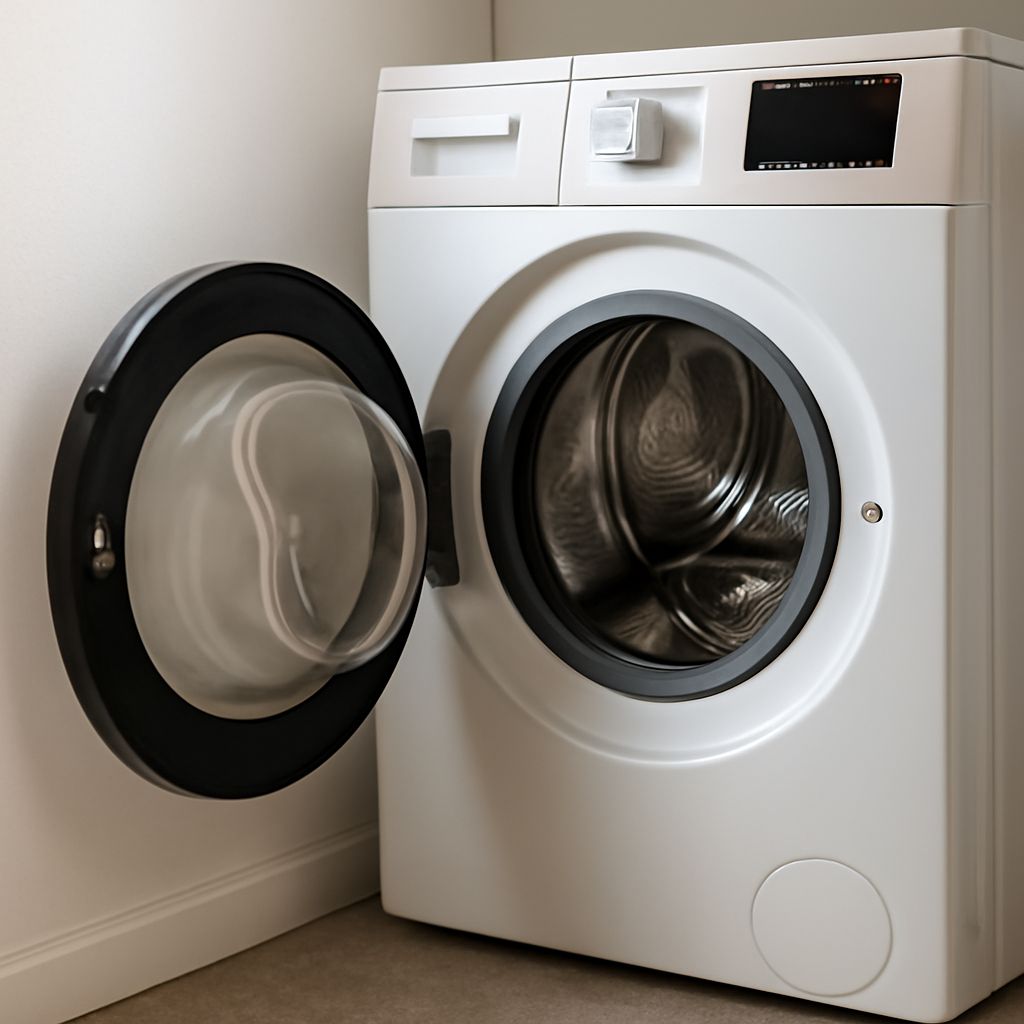
How much vinegar to put in laundry depends on the load size and the result you want. For most regular loads, start with 1/2 cup (120 mL) of plain distilled white vinegar in the rinse dispenser. Use it during the rinse stage, not with the detergent.
Vinegar may help reduce mild odors and detergent or mineral residue. However, ordinary washing with vinegar is not a reliable way to disinfect laundry. Check your washer manual first, and test vinegar on a hidden part of delicate or dyed clothing.
How Much Vinegar to Put in Laundry: Load-by-Load Amounts
These starting amounts assume standard distilled white vinegar containing about 5% acetic acid. They are intended for the rinse stage of a normal household wash, not as a measured disinfectant dose.
- Small or lightly soiled load: Use 1/4 cup (60 mL).
- Regular full load: Use 1/2 cup (120 mL).
- Large load or noticeable stale odor: Use up to 1 cup (240 mL), provided the machine manual allows it.
Use the smallest amount that gives a satisfactory result. A small load does not need a full cup, and adding more vinegar will not make clothing proportionally cleaner. For a light odor, begin with 1/4 cup. For towels, workout clothing, or a full load with persistent odor, 1/2 cup is a practical starting point.
Use plain distilled white vinegar, rather than apple cider vinegar, colored vinegar, or a concentrated cleaning vinegar. Cleaning vinegar can contain a higher percentage of acetic acid, so its strength and fabric effects differ. Never assume that a stronger product is safer or more effective in a washing machine.
If you must pour vinegar manually into a rinse, dilute the measured amount with at least an equal amount of cool water first. This reduces the chance of concentrated vinegar sitting directly against fabric. Do not pour undiluted vinegar onto dry clothing, elastic, leather details, or delicate trims.
Test first on dark colors, silk-like fabrics, elastane, prints, and garments with glued decorations. Apply a diluted drop to an inconspicuous seam, wait several minutes, and blot it with a white cloth. Stop if the color transfers, the fabric changes texture, or the trim becomes brittle.
How to Add Vinegar to Laundry: Rinse Timing and Dispensers
To add vinegar to laundry, place it in the washer’s fabric-softener or rinse-additive compartment. The machine should release it during the final rinse, after the detergent has washed through the load.
- Measure the amount for the load size.
- Pour it into the softener dispenser, staying below the compartment’s maximum-fill line.
- Run the cycle with your normal detergent and the warmest water suitable for the fabrics.
- Allow the washer to complete its rinse and spin cycles before transferring the clothes.
Do not put vinegar in the detergent compartment. Adding it at the same time as detergent can reduce the usefulness of both products, because vinegar’s acidity can partly neutralize alkaline detergent ingredients before cleaning is complete.
If your washer has no rinse dispenser, follow the machine’s instructions for adding a product during the final rinse. On a suitable top-loader, this may mean adding diluted vinegar after the wash water drains and the rinse begins. Avoid guessing with a high-efficiency machine that locks during the cycle.
Always check the owner’s manual, especially for a front-loader, high-efficiency washer, or machine with rubber seals and specialized dispensers. Some manufacturers advise against repeated use of vinegar because acidic products may affect certain seals, hoses, coatings, or components. If the manual prohibits vinegar, follow that guidance instead.
Never combine vinegar with chlorine bleach in the same load, dispenser, or container. The combination can produce irritating chlorine gas. Run a separate rinse and clean the dispenser if another product was previously used there. Do not combine vinegar with hydrogen peroxide or other laundry chemicals unless the product manufacturer specifically permits the combination.
What Washing With Vinegar Changes: Odor and Residue
Washing with vinegar mainly changes the rinse environment. Its mild acidity can help loosen some alkaline detergent residue and mineral deposits left by hard water. That may make towels or clothing feel less stiff and can reduce a faint sour, musty, or detergent-heavy smell.
Vinegar does not replace laundry detergent. It is not designed to remove body oils, grease, heavy soil, or most stains. It also does not make a machine’s water soft, and it cannot correct overloading, inadequate rinsing, or a dirty washer by itself.
Judge the result only after the load is fully rinsed and dried. A successful treatment leaves fabric without a strong vinegar smell and may reduce mild odor or residue. If the clothing still smells dirty after drying, rewash it with the correct detergent amount and enough room for the garments to move. A persistent musty odor may come from the washer, especially the door gasket, detergent drawer, or drain area, rather than from the clothes.
Use vinegar less often if fabrics contain a high proportion of elastic or if the washer manual raises concerns about acidic additives. A rinse with clean water, correct detergent dosing, and a properly sized load may solve residue without it.
Does Vinegar Disinfect Laundry? Limits of a Regular Cycle
Does vinegar disinfect laundry? No. Vinegar added to an ordinary wash or rinse is not a reliable stand-alone laundry disinfectant. It may help with odor, but household vinegar use does not establish the concentration, temperature, or contact time needed for a defined disinfection process.
Disinfection requires a validated method. That normally means a product labeled for laundry use, a specified amount, an approved fabric type, and the required contact time or wash conditions. The label may also require a particular water temperature or cycle. A washer’s regular cycle, even with hot water and vinegar, should not automatically be treated as a disinfecting process.
When pathogen control matters, wash with detergent using the hottest setting the fabric can safely tolerate, then dry items completely. If additional treatment is needed, use a laundry sanitizer or chlorine bleach only according to its label and the garment-care instructions. Bleach and vinegar must never be used together.
For ordinary household odor or residue, the rinse-dispenser method is the appropriate use: 1/4 cup for a small load, 1/2 cup for a regular load, or up to 1 cup for a large load when the machine permits it.