
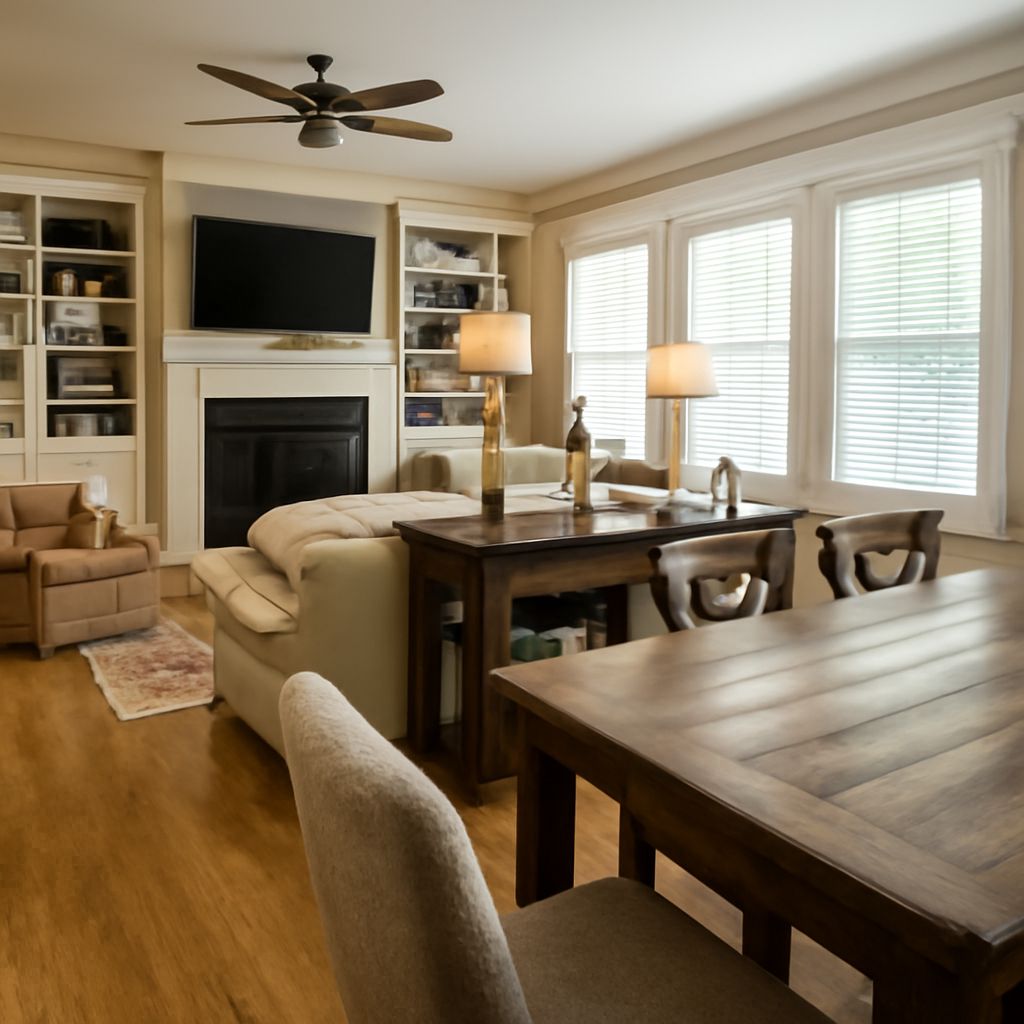
To learn how to motivate yourself to clean, do not wait for motivation to appear first. Reduce the task until it feels startable, choose one visible win, and work within a firm time or area limit.
Use this sequence: identify the real obstacle, clean for five minutes, set a boundary, match the task to your energy, then stop and reset your supplies. The goal is immediate progress, not a perfect home.
Find the Source of Resistance Before Getting Motivated to Clean
Resistance usually points to a specific problem. Name it before choosing a cleaning task, because the wrong strategy can make the task feel harder.
- Overwhelm: The room represents too much unfinished work. Choose one surface, corner, or category instead of the entire room.
- Low energy: Standing, bending, lifting, or carrying may feel expensive. Choose a seated or low-effort task, such as sorting items or gathering rubbish within reach.
- Perfectionism: You may believe cleaning only counts if you finish everything thoroughly. Set a “good enough” standard before you begin.
- Distraction: Your phone, television, or nearby projects keep pulling your attention away. Remove one distraction for the length of the session.
- Lack of time: A full cleaning session does not fit your schedule. Use a two-minute or five-minute task that can end cleanly.
Write or say the obstacle in one sentence: “I am avoiding this because it feels too big,” or “I have ten minutes and no more.” That statement gives you a practical limit to work with.
How to Motivate Yourself to Clean With a Visible Five-Minute Win
Start with the most visible improvement that takes about five minutes. A clear patch on a counter, an empty bin, or a small pile of rubbish gives your brain evidence that the task is changing.
- Create a start cue. Put on cleaning shoes, tie back your hair, set down a cloth, or start the same short playlist. Use one cue consistently so it signals action.
- Choose one small target. Pick a surface no larger than a desk, one section of floor, or the items beside the sink. Do not choose “the kitchen” or “the bedroom.”
- Set a five-minute timer. Work only until it rings. During that time, remove rubbish, return misplaced items, or wipe the chosen surface. Avoid switching to another area.
- Stop for a progress check. Look at the target from the doorway or take a quick mental snapshot. Notice what is visibly different, rather than judging the whole room.
Use a simple order if you freeze: remove rubbish first, group items that belong elsewhere, then wipe or straighten the cleared area. This is not a complete cleaning routine. It is a sequence for creating visible progress quickly.
When the timer ends, you have two valid choices. Stop because the five-minute session met its purpose, or continue for one more bounded round because starting now feels easier. Both choices reinforce the habit. Continuing is optional, not proof that the first round was insufficient.
Build Motivation to Clean House With a Time or Area Boundary
Once the first win creates momentum, choose either a time boundary or an area boundary. The right option depends on what makes the task feel safer and more manageable.
- Use a time boundary when you have limited time or tend to overwork. Set 10, 15, or 20 minutes. Clean continuously until the timer ends, then stop.
- Use an area boundary when the whole room feels overwhelming. Choose one shelf, chair, countertop, or strip of floor. Finish that area, even if the rest remains untouched.
- Use a quantity boundary when you have very little energy. Put away ten items, fill one rubbish bag, or wash five dishes. Count the action rather than estimating the whole job.
Define what “done” means before starting. For example, a desk is done when the work surface is usable, not when every drawer is reorganized. A floor section is done when you can walk through it safely, not when every mark has been removed.
At the halfway point, pause for a progress check. Ask, “What is visibly better, and what is the next single action?” If you cannot answer quickly, the boundary is still too broad. Reduce it immediately instead of abandoning the session.
Motivation to clean house improves when the finish line is trustworthy. A timer or area limit prevents the common fear that starting means losing the entire evening. It also protects against turning a useful session into an exhausting overhaul.
Use Motivation to Clean Without Overcommitting When Energy or Attention Is Low
Getting motivated to clean is easier when the task matches your current capacity. You do not need to use the same method every day. Change the physical demand, attention demand, or expected finish.
- For low energy, sit while sorting mail, pairing socks, or gathering items into a nearby basket. Keep supplies within reach, and choose a five-minute limit.
- For overwhelm, cover or ignore most of the room. Clean one visual anchor, such as the area directly inside the door or the surface you use most.
- For perfectionism, set a minimum standard: clear, sanitary, usable, or safer. Do not add detailed organizing unless the boundary allows it.
- For distraction, place your phone in another room, use a single audio track, or keep a written note for unrelated ideas. Return to the chosen target when your attention wanders.
- For lack of time, use a transition task. Clear the table while waiting for food, put away items during a kettle boil, or spend two minutes before leaving home.
If you repeatedly switch tasks, keep a small “later” pile or note. Place distracting items there without deciding where they belong. This preserves momentum and postpones decisions that could consume the session.
If you feel resistance after starting, lower the standard before increasing the effort. A quick collection of rubbish may be enough for today. A partially cleared surface still creates progress and makes the next session easier.
Finish With a Progress Check, Stop Rule, and Supply Reset
End deliberately rather than drifting away when you become tired. A clear ending helps your brain remember the session as manageable.
- Check the result. Compare the chosen surface or area with its starting state. Identify one concrete change, such as “the chair is usable” or “the counter is clear.”
- Apply the stop rule. Stop when the timer rings, the defined area is complete, or your energy drops below the level needed to work safely. Do not extend the session automatically.
- Reset supplies. Empty the rubbish bag if practical, rinse or hang the cloth, return cleaners to one storage spot, and place the basket where you can find it next time.
- Choose the next starting point. Leave a simple cue, such as the basket beside the stairs or the cloth on the counter. Decide whether the next session will use five minutes, one area, or ten items.
The reset should take no more than two minutes. It removes the small decisions that create starting friction later, so your next cleaning session begins with an available tool and a defined first action.