
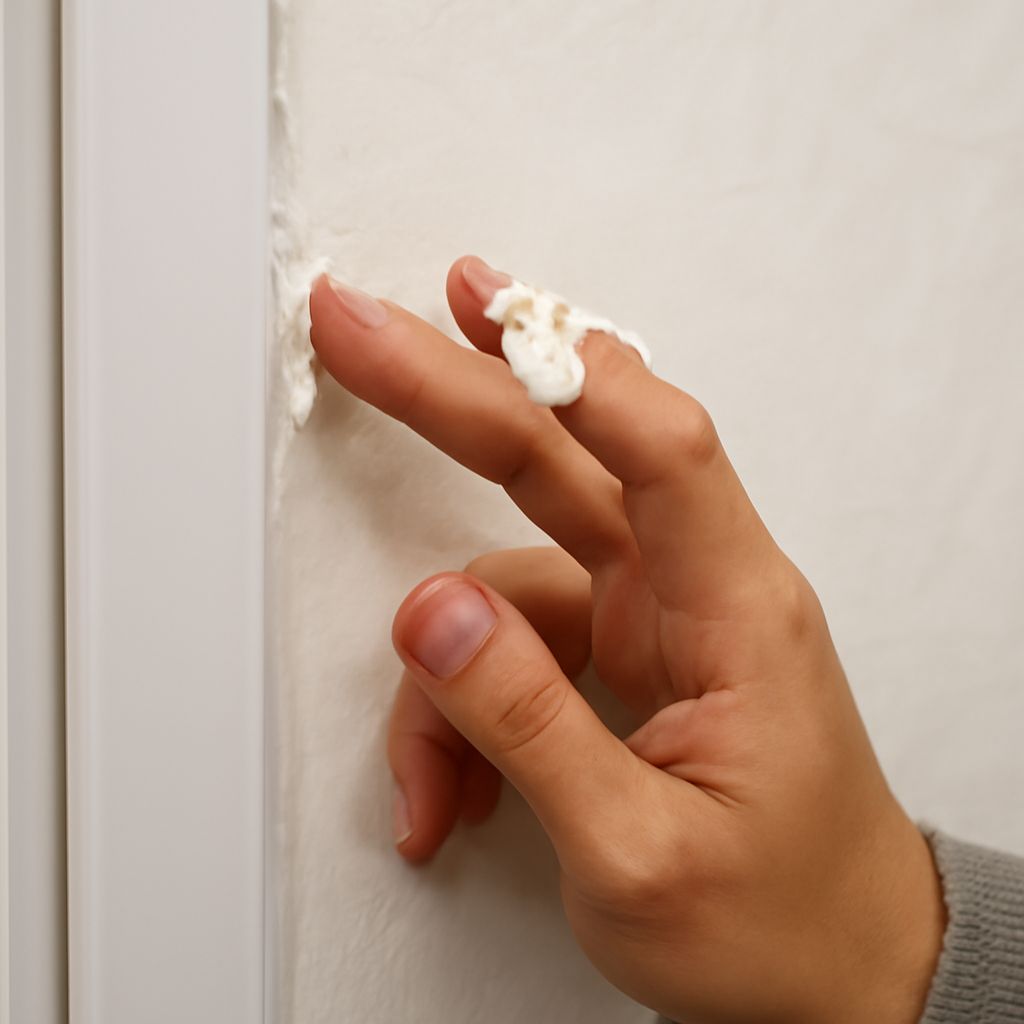
To learn how to get silicone off hands, first decide whether the caulk is still wet or has cured into a rubbery film. Fresh silicone usually comes away by dry wiping, rolling, and washing. Cured residue needs oil-assisted loosening before gentle lifting.
Work patiently rather than scrubbing hard. Strong solvents, blades, and abrasive cleaners can irritate or damage skin, while water applied too early can spread fresh caulk across your hands.
How to Get Silicone Off Hands: Fresh vs. Cured
Fresh silicone caulk feels wet, sticky, and smearable. It may transfer easily to anything you touch. Cured silicone feels dry or rubbery, keeps its shape, and often lifts as a thin transparent, white, or colored film.
The removal method depends on that difference:
- Fresh caulk: Keep it as dry as possible, wipe away the bulk, roll off the remaining residue, then wash with warm soapy water.
- Cured film: Let oil loosen the edges, lift the film gently, and wash away the remaining oil and particles.
- Sticky residue: If it remains tacky and smears instead of rolling or lifting, it may be uncured caulk or another adhesive residue.
Remove rings, watches, or bracelets before cleaning. Caulk can collect underneath them, and tight jewelry can trap residue against irritated skin.
How to Remove Caulk from Hands: Wipe, Roll, and Wash
The most effective answer to how to remove caulk from hands starts with mechanical removal. Do not begin by rinsing a large amount of fresh silicone under the tap. Water can make the residue slippery and spread it over a larger area.
- Stop and wipe immediately. Use a dry paper towel or disposable cloth. Wipe from the cleanest part of your hand toward the residue, using a fresh section of towel for each pass. Discard heavily coated towels instead of reusing them.
- Roll away the thin residue. Once most of the caulk is gone, press your fingertips together and rub lightly. Silicone often gathers into small rolls, strings, or balls that you can pick away. You can also rub the residue against a dry towel, using short, gentle movements.
- Do not smear it farther. Avoid vigorous rubbing, spreading the caulk across your palms, or wiping with a wet cloth at this stage. If a patch becomes slick, return to a clean, dry towel and make another light pass.
- Wash with warm soapy water. Use comfortably warm water and mild liquid hand soap. Lather all affected areas for at least 30 seconds, working around the fingers, palms, backs of the hands, and between the fingers. Rinse thoroughly.
- Dry and inspect. Pat your hands dry rather than rubbing them aggressively. If a thin rubbery patch remains, treat it as cured residue. If your hands feel clean but look red or feel sore, stop scrubbing and move to skin care instead.
Repeat the dry-wiping and washing cycle if needed. Two or three gentle passes are safer and more effective than one forceful attempt. Fresh silicone usually becomes easier to remove after the larger pieces have been rolled away.
Loosen Cured Silicone Caulk with Oil and Lift It Gently
If you need to know how to remove silicone caulk from hands after it has cured, use oil to loosen the film rather than trying to dissolve it with a harsh chemical. Oil does not make silicone disappear, but it can reduce friction at the edges and help the film release.
- Choose a skin-safe oil. Use a few drops of mineral oil, baby oil, or ordinary cooking oil. Avoid products containing solvents, fragrances, or strong active ingredients if your skin is already sensitive.
- Work around the patch. Massage the oil onto and around the cured residue for two or three minutes. Focus on the edges, where the film meets your skin. Do not scrape while the patch is firmly attached.
- Wait briefly. Let the oil sit for about five minutes. This gives it time to reduce the grip between the residue and the skin.
- Lift a loosened edge. Use a fingernail to catch an edge and peel the silicone back slowly. Keep the movement close to the skin. If the film stretches, tears, or causes pulling, add another drop of oil and stop forcing it.
- Remove small pieces. Rub loosened fragments into rolls with your fingertips or wipe them away with a soft cloth. Never use a razor, knife, pin, metal scraper, or pumice stone on your hands.
For a stubborn patch, make another short oil treatment and repeat the lifting process once or twice. Use repeated gentle passes, not continuous pressure. If the skin begins to sting, burn, itch, or redden, rinse off the oil and stop working on the residue.
Remove Silicone Caulk from Hands: Wash, Check Nail Edges, and Repeat
After the cured film lifts, wash again with warm water and mild soap. The second wash removes oil, loose silicone particles, and any tacky residue left around the patch. A small amount of soap on a soft nail brush can help clean beneath the nail edges, but use light pressure.
For remove silicone caulk from hands cleanup, check these commonly missed areas:
- Under and along the sides of each fingernail
- Skin folds beside the thumb and between the fingers
- Creases across the palms and around the knuckles
- The edges of rings or other jewelry removed before washing
Use your fingernail or a soft nail brush to lift residue from these areas. Do not dig underneath the nail or use a sharp object. Rinse, pat dry, and check the skin again under good light.
A remaining cured silicone film looks like a defined, flexible layer. It may catch on a fingernail, roll when rubbed, and lift in a narrow strip. Apply a little oil and repeat the gentle lift-and-wash process if it is still attached.
Skin irritation looks and feels different. Redness, burning, itching, warmth, tenderness, swelling, or cracked skin without a visible raised film indicates that the skin needs recovery, not more scrubbing. Rinse with clean water, pat dry, and apply a plain, fragrance-free moisturizer if the skin is intact.
If the material is shiny, tacky, and smeary rather than dry and rubbery, it may be adhesive residue or uncured product. Wash gently and avoid escalating to paint thinner, mineral spirits, acetone, or other solvents. Persistent pain, swelling, blistering, or worsening redness warrants medical advice. Clean skin should feel smooth, dry, and free of tacky or rubbery patches.