
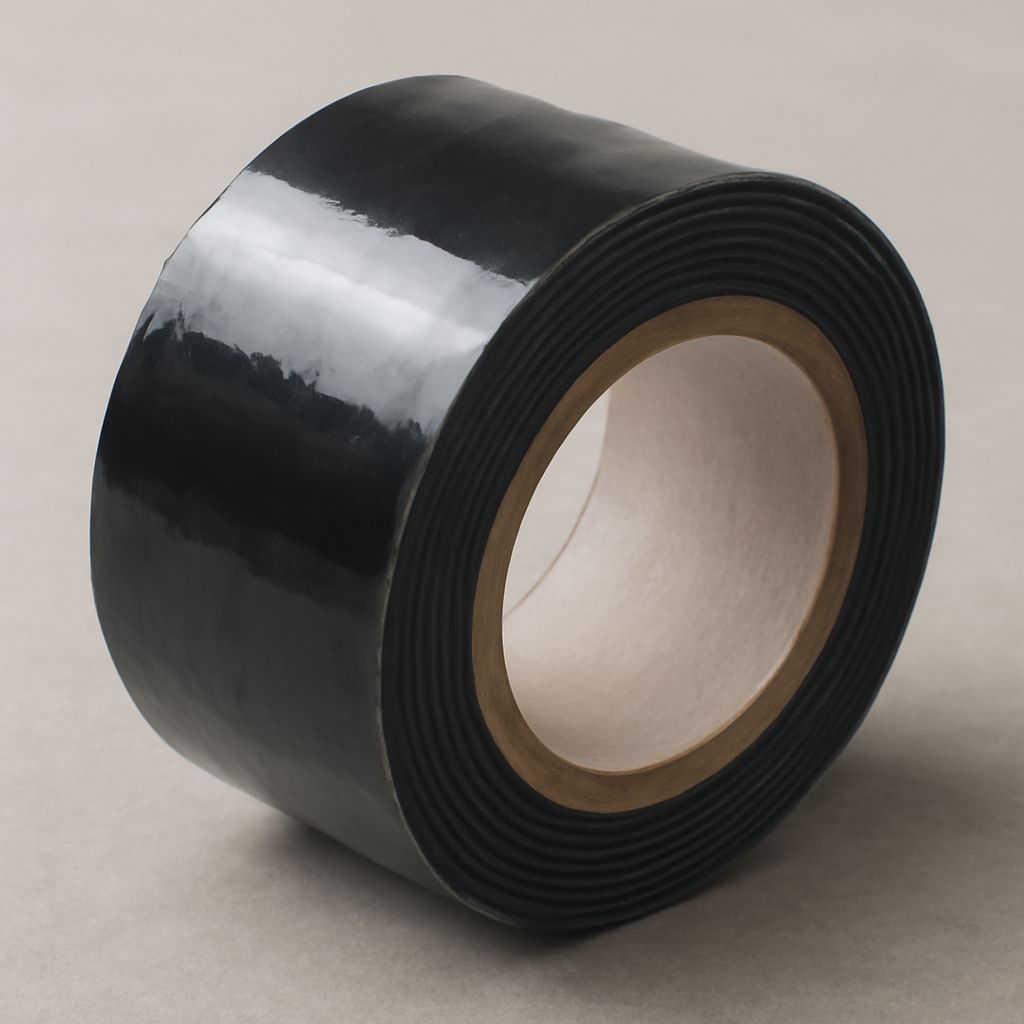
Is electrical tape heat resistant? Yes, purpose-rated electrical tape is designed to tolerate a stated temperature range while maintaining insulation and adhesion. Common vinyl electrical tape may be rated around 80–105°C, but the label controls; specialty silicone, glass-cloth, and high-temperature tapes handle different conditions.
Duct tape should not replace electrical tape on energized conductors. It may hold a cable bundle or provide a temporary non-electrical patch, but its backing, adhesive, insulation properties, and heat performance are not designed for conductor protection.
Is Electrical Tape Heat Resistant? The Direct Answer
Electrical tape is heat resistant only within its product rating. Standard vinyl types are formulated to stretch around wires, resist moisture, and remain bonded across a specified temperature range. Some are also tested for electrical insulation under recognized standards, such as a voltage or flame rating shown on the packaging.
Heat resistance does not mean the tape can safely cover a hot connection, damaged appliance cord, or overloaded circuit. As temperature rises, any tape can soften, lose adhesion, shrink, or become brittle after repeated heating and cooling. Select tape with a rating above the equipment’s normal operating temperature, and investigate the source if the wire feels unusually hot.
Can Duct Tape Be Used as Electrical Tape?
If you are asking, “can duct tape be used as electrical tape,” the practical answer is no for insulating electrical conductors. Duct tape is not a tested substitute for purpose-rated electrical tape, even when its adhesive feels strong or its backing appears thick.
Duct tape can cover a sharp edge, hold a cable bundle in place, or make a temporary repair away from electrical contact. It should not be wrapped over exposed wire, a damaged plug, a splice, or a terminal as the primary insulation. For damaged conductor insulation, disconnect power and use a properly rated repair method or replace the damaged cord or cable.
Duct Tape vs Electrical Tape: Backing, Adhesive, Stretch, and Insulation
Backing: Electrical tape commonly uses flexible PVC or another purpose-designed insulating material. Duct tape typically combines a fabric mesh with polyethylene or another coated backing. That construction gives duct tape useful tear strength, but it can create thicker, uneven edges around a wire.
Stretch and conformability: Electrical tape stretches and conforms around bends, terminals, and irregular wire shapes. When applied under moderate tension, it can form overlapping layers without large air gaps. Duct tape has less controlled stretch and may bridge gaps, wrinkle, or lift around tight curves.
Adhesive: Electrical tape adhesive is selected for wire insulation, bonding, and temperature performance. Duct tape adhesive is optimized for general repairs and surface grip. It may flow when warm, harden with age, or leave more residue when removed.
Electrical insulation: A purpose-rated electrical tape has a stated insulation or voltage suitability where applicable. Duct tape does not become an insulating material simply because its backing is nonmetallic. Its seams, adhesive behavior, thickness, and aging are not dependable protection against electrical contact.
Moisture response: Quality electrical tape can help seal a properly prepared wrap against dampness. Duct tape may resist splashes, but its edges and fabric structure can admit moisture over time. Neither tape should be treated as a permanent waterproof splice seal unless the product specifically supports that use.
Duct Tape as Electrical Tape: Temperature, Moisture, and Aging
The phrase duct tape as electrical tape describes a common shortcut, not an equivalent application. Duct tape may tolerate moderate temperatures briefly, but its useful range varies widely by brand and construction. Heat can soften the adhesive, allow the backing to shift, and expose gaps around a conductor.
Electrical tape also varies. A general-purpose vinyl type may suit ordinary indoor wiring, while high-temperature silicone or glass-cloth tape may be needed near motors, lighting, ovens, engine compartments, or hot pipes. Check the product’s continuous and intermittent temperature ratings rather than relying on the word “heat resistant.”
Long-term aging makes the difference more important. Duct tape can dry out, ooze adhesive, delaminate, and leave residue. Electrical tape can also harden or lose plasticizer, especially in sunlight, heat, oil, or weather. A correctly rated product slows these problems but does not eliminate inspection needs. Replace tape that is cracked, lifting, sticky, brittle, discolored, or contaminated.
Removal is another practical distinction. Duct tape often tears unevenly and leaves adhesive on insulation, painted surfaces, or cable jackets. Electrical tape usually removes more cleanly when it has not overheated or aged, although old adhesive may still require careful cleaning. Do not pull tape aggressively from fragile wire jackets.
Choose Tape by Task: Wires, Bundling, and Repairs
- Wire insulation or splices: Use purpose-rated electrical tape only when the product and application are appropriate. For a damaged conductor, a listed connector, heat-shrink product, or cable replacement may be safer than tape alone.
- Cable bundling: Electrical tape works well when the bundle needs flexible, low-profile wrapping. Duct tape can temporarily group larger cables, but avoid compressing cables, covering heat vents, or trapping heat around power cords.
- Duct or surface repair: Use duct tape for temporary sealing, holding, patching, or reinforcing ducts and general surfaces. Choose a tape made for the surface, temperature, and expected exposure.
- Temporary non-electrical fixes: Duct tape is suitable for short-term repairs to covers, containers, hoses, packaging, and other non-electrical items. Mark temporary repairs and replace them with a lasting solution when failure could cause damage.
- Hot or damp locations: Match the tape to continuous temperature, moisture, chemicals, sunlight, and movement. A standard household electrical tape may not suit an engine bay or outdoor connection.
Apply and Inspect Electrical Tape
- De-energize first. Switch off and isolate the circuit, then verify that the conductors are not live with an appropriate tester.
- Prepare the surface. Remove dirt, oil, moisture, and loose material. Do not wrap over sharp strands, burned insulation, or a connection that is mechanically unstable.
- Start on sound insulation. Begin several millimeters beyond the damaged area. Stretch vinyl electrical tape moderately as you wrap; excessive tension can make it retract later.
- Overlap each turn. Wrap toward the other end, keeping steady tension and covering the area with smooth, overlapping layers. Finish beyond the damage and press the end firmly into place.
- Check the result. The wrap should be smooth, secure, fully covered, and free of lifted edges or exposed conductor. Stop using the circuit if the tape softens, smells hot, discolors, or repeatedly loses adhesion.