
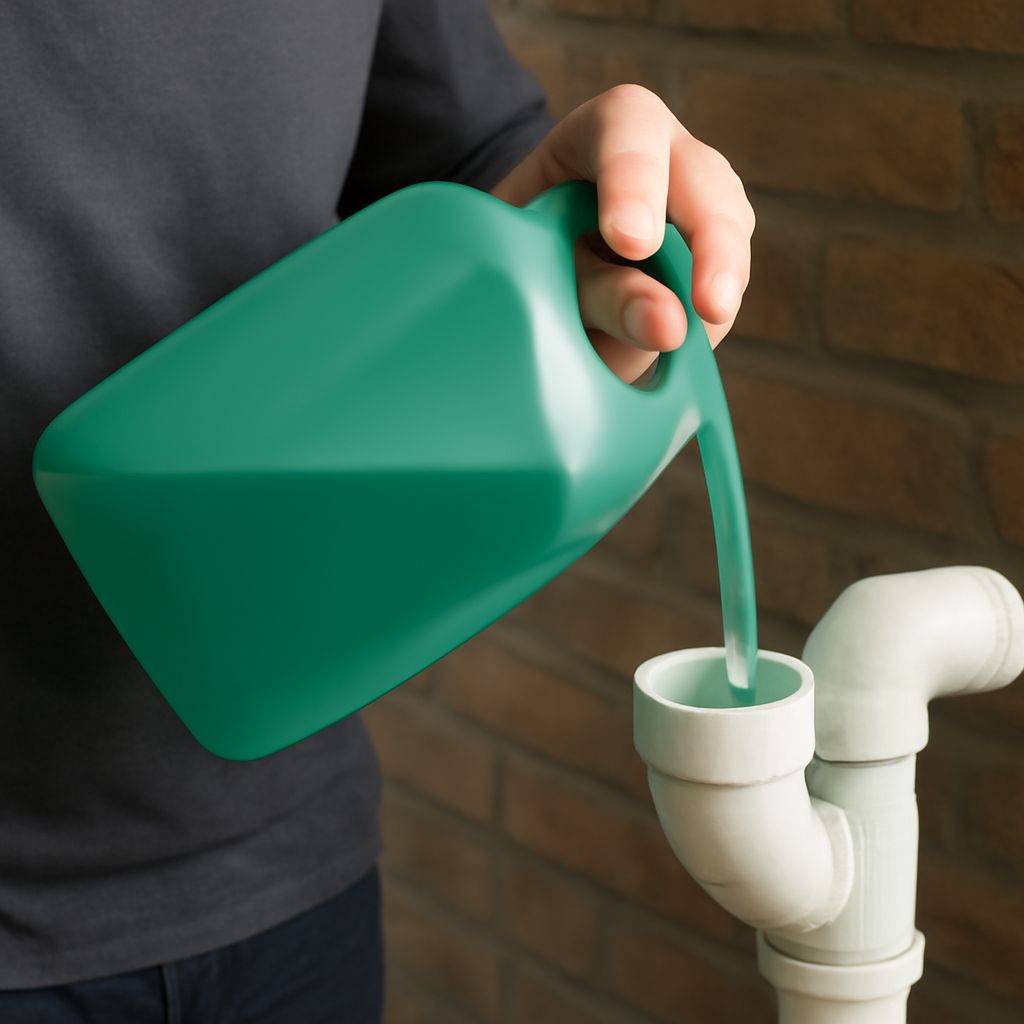
The best enzyme drain cleaner is the one matched to the problem in your pipe. For slow drains with grease, food residue, or odor, enzyme formulas are usually the safest first choice because they break down organic buildup without harsh caustics. For a practical buy, focus on three things: what the clog is made of, how fast you need results, and whether the cleaner is safe for your plumbing.
If you want the shortest answer, start with an enzyme cleaner designed for kitchen drains if grease is the issue, a bio-enzymatic toilet or sewer treatment if you need enzyme waste removal, and a maintenance formula if you want to prevent repeat buildup. The best pipe cleaner for this category is not the strongest chemical product. It is the one that keeps working without damaging pipes or seals.
Best Enzyme Drain Cleaner: Main Options
There are three useful types to compare before you buy. Each one solves a different drain problem.
- Kitchen enzyme drain cleaner – Best for grease, soap film, and food residue. This is often the best drain cleaner for grease buildup because enzymes target organic matter that lines the pipe walls.
- Waste removal formula – Best for toilets, septic systems, and floor drains. These products support enzyme waste removal by breaking down waste and odor-causing residue over time.
- Maintenance cleaner – Best for regular use in sinks, showers, and laundry drains. It prevents buildup before a full clog forms and is usually the safest option for ongoing care.
Within those categories, the most useful product styles are liquid, powder, and gel. Liquids are easiest to dose. Powders can be economical for septic and waste lines. Gels cling longer to pipe walls, which helps when residue keeps returning after a quick flush.
If you want a simple shortlist, look for one product from each of these practical groups:
- For kitchen grease: a high-strength enzyme blend labeled for drains and grease traps.
- For bathrooms and sewer lines: a bio-enzymatic treatment labeled for waste breakdown and odor control.
- For prevention: a monthly maintenance formula safe for septic systems and everyday plumbing.
Compare the Top Picks
Grease buildup
Grease is the main reason people search for the best enzyme drain cleaner. Enzymes work well here because grease clings to pipe walls and traps other debris. A good formula should mention grease, fats, oils, and organic film. It should also be safe for repeated use, since grease problems usually return if habits do not change.
The best choice for grease buildup is usually a stronger kitchen enzyme product with a longer dwell time. That means the cleaner stays in the pipe overnight or for several hours, instead of being rinsed away quickly. This matters because enzymes need contact time to work.
- Choose this type if: your sink drains slowly after cooking or dishwashing.
- Skip it if: the clog is caused by plastic, mineral scale, or a foreign object.
- Best use case: weekly cleanup in a busy kitchen or monthly prevention in a lightly used sink.
Waste removal
For toilets, septic systems, or drains with persistent odor, enzyme waste removal products are more appropriate than kitchen formulas. They are designed to digest organic waste and reduce smell without stressing plumbing or tank bacteria. This is especially useful in homes with septic systems, where harsh chemicals can do more harm than good.
Look for products that specify septic-safe use, sewer-safe use, or waste digestion. If the label mentions urine, feces, paper residue, and odor control, it is aimed at the right problem. These products are usually slower than chemical openers, but they are better for routine maintenance and odor management.
- Choose this type if: the goal is odor reduction and gradual waste breakdown.
- Skip it if: you need instant clearance from a total blockage.
- Best use case: bathrooms, RV tanks, septic systems, and floor drains with organic residue.
Pipe safety
Pipe safety is one of the biggest advantages of enzyme products. The best pipe cleaner in this category should be safe for PVC, metal, garbage disposals, septic tanks, and standard household traps. It should also avoid fumes and heat, which can damage older plumbing or create handling issues.
When comparing products, check the label for compatibility. A safe enzyme cleaner should not rely on acid or lye as the main active ingredient. If it does, it is no longer really an enzyme-first solution. Those stronger formulas can clear faster, but they also raise the risk of pipe wear and seal damage.
- Choose this type if: you have older plumbing or want low-risk maintenance.
- Skip it if: you need to dissolve hair, mineral deposits, or non-organic debris.
- Best use case: regular care in homes where safe, repeat use matters more than speed.
How to Choose the Right Formula
Pick the formula based on the clog source, not the drain type alone. The most effective enzyme cleaner is the one that matches the material inside the pipe.
- For grease and food film: choose a kitchen drain formula with protease and lipase enzymes, since these target protein and fat residues.
- For waste and odor: choose a bio-enzymatic waste treatment with septic-safe labeling.
- For recurring slow drains: choose a maintenance product that can be used weekly or monthly.
- For high-use households: choose a concentrated formula with clear dosing instructions.
- For sensitive plumbing: choose a non-corrosive formula that avoids bleach, lye, and acids.
There is a tradeoff with enzyme cleaners: they are usually slower than chemical drain openers, but they are better for long-term care. If the drain is completely blocked, enzyme treatment may help later, but it will not always open the line quickly. In that case, mechanical clearing may be needed first.
Also consider contact time. Many products work best when left in the drain overnight. If the label recommends four to eight hours, follow that window. Short contact time often leads to weak results and repeat buildup.
If you are choosing between two products, the better one usually has these features:
- Specific use case: grease, waste, odor, or maintenance
- Clear enzyme action instead of vague “power” claims
- Septic-safe or pipe-safe labeling
- Reasonable dwell time for the problem you have
- Simple dosing instructions
How to Use It Effectively
To get the most from the best enzyme drain cleaner, use it on a mostly empty drain and give it time to work. Enzymes are not instant cleaners. They perform best when they can sit on the buildup rather than being washed through too quickly.
- Remove standing water if possible so the product can reach the buildup.
- Measure the recommended dose exactly. More is not always better.
- Pour it slowly into the drain so it coats the pipe as much as possible.
- Leave it undisturbed for the label’s full contact time, often overnight.
- Flush with warm water if the directions call for it, then repeat on schedule if needed.
For grease problems, use the product after the kitchen is done for the night. For waste removal, apply it when the line will not be heavily used for several hours. For maintenance, a weekly or monthly routine often prevents the need for stronger intervention.
A few habits improve results:
- Do not mix enzyme cleaner with bleach or disinfectants.
- Do not use boiling water unless the label allows it.
- Keep using strainers in kitchen and shower drains.
- Use hot rinse water after cooking to reduce grease loading.
- Repeat treatment consistently if buildup returns.
If the drain is still slow after several treatments, the issue may be hair, mineral scale, or a deeper blockage. Enzyme products are best for organic matter, odor, and routine care. For those jobs, they are often the best pipe cleaner choice because they protect plumbing while steadily reducing buildup.