
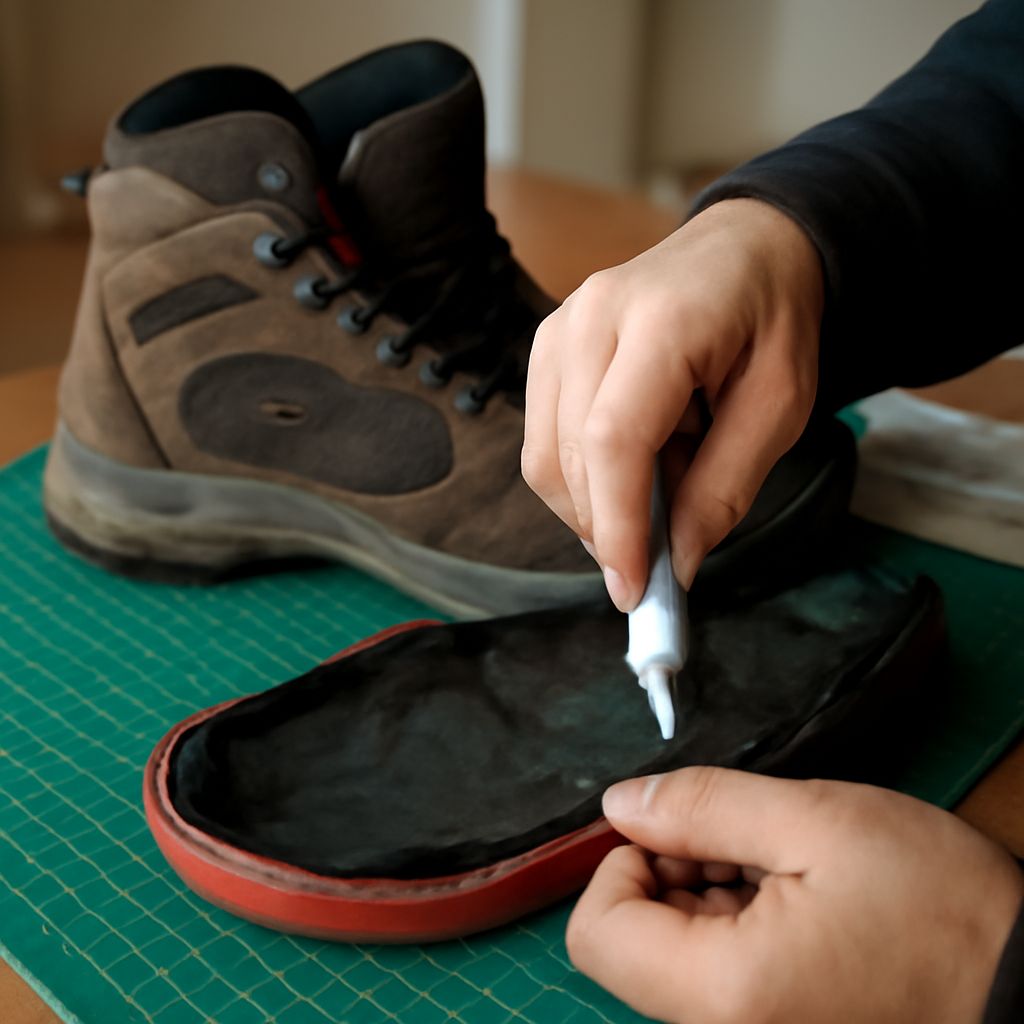
Boot glue is a strong adhesive made to repair boots by bonding rubber, leather, synthetic uppers, and worn sole edges. In practice, it is used when a boot needs reattaching, sealing, or reinforcing—not when the damage calls for stitching or a full resole.
The best boot glue is one that matches the material and the repair. Boot sole glue is usually the most useful choice for peeling soles, while boot repair glue is the broader term for adhesives used on seams, trim, heel edges, and minor splits.
Boot Glue: Direct Answer
Boot glue is an adhesive designed to hold boot components together after wear, flexing, and moisture exposure. It is commonly used for sole separation, loose toe caps, cracked trim, and small delaminated areas.
If you need a short answer: use boot glue when the boot is structurally sound but has started to come apart. It can restore function and extend wear life, especially on boots with peeling soles or lifted edges.
It is not the same as a general craft glue. A boot adhesive needs stronger bond strength, better flexibility, and more resistance to heat and movement.
How Boot Glue Works
What it bonds
Boot glue works by creating a bond between two prepared surfaces. It is commonly used on:
- Rubber soles to midsoles or uppers
- Leather edges that have lifted
- Synthetic overlays and trim
- Small heel separations
- Worn seams that need sealing, not stitching
For best results, the adhesive should match the material. Rubber and leather often need different surface prep, but the goal is the same: a clean, dry, slightly rough bonding surface.
What affects hold strength
Hold strength depends on several things. Surface prep matters more than most people expect. Dust, oil, old glue, and moisture weaken the bond quickly.
Flex is another factor. A boot flexes every step, so the adhesive must stay somewhat elastic after curing. Heat, wet conditions, and heavy bending can shorten bond life if the glue is not meant for footwear repairs.
Pressure during curing also matters. Clamping or weighting the repair helps the adhesive form a tighter bond. Without that pressure, the repaired edge may lift again.
Boot Sole Glue vs. Other Repair Glues
Best uses for sole repair
Boot sole glue is the best option when the sole is peeling away but still intact. It is made for strong, flexible bonding under the stress of walking.
Use it for:
- A partially detached outsole
- Loose tread sections
- Separated heel edges
- Small gaps between layers of the sole
This type of glue is usually chosen for durability and flexibility. It is meant to survive repeated impact better than a basic multipurpose adhesive.
When another adhesive is better
Choose a different adhesive if the repair is outside the sole area. A general boot repair glue may be better for small upper cracks, decorative pieces, or minor seam sealing.
For example, a flexible contact adhesive can work well on leather edges. A specialized rubber adhesive may be better for outsole patches. Heavy structural damage, however, often needs professional repair rather than glue alone.
If the boot has a large split, crushed heel, or major sole failure, glue can help temporarily but may not restore full strength.
How to Use Boot Glue Well
Surface prep
Start by cleaning both surfaces. Remove dirt, salt, mud, wax, and loose adhesive. Let the area dry fully before applying anything.
Lightly roughening smooth surfaces can improve bonding. A fine abrasive pad or sandpaper helps create texture. After that, wipe away dust so the adhesive contacts the material directly.
Test the fit first. Press the boot parts together without glue so you know the edges align correctly.
Application and cure time
Apply a thin, even layer according to the product directions. Too much glue can squeeze out and weaken the edge. Too little can leave gaps.
Join the surfaces while the adhesive is ready to bond, then press firmly. Use clamps, tape, or weight to keep pressure on the repair.
Let the glue cure fully before wearing the boots. Some products need a few hours; others need overnight curing. The repair may feel set before it is fully strong, so avoid early use.
Successful boot repair glue work looks clean, stays flexible, and does not peel when the boot bends. If the edge lifts, the surface prep or cure time was probably not enough.