
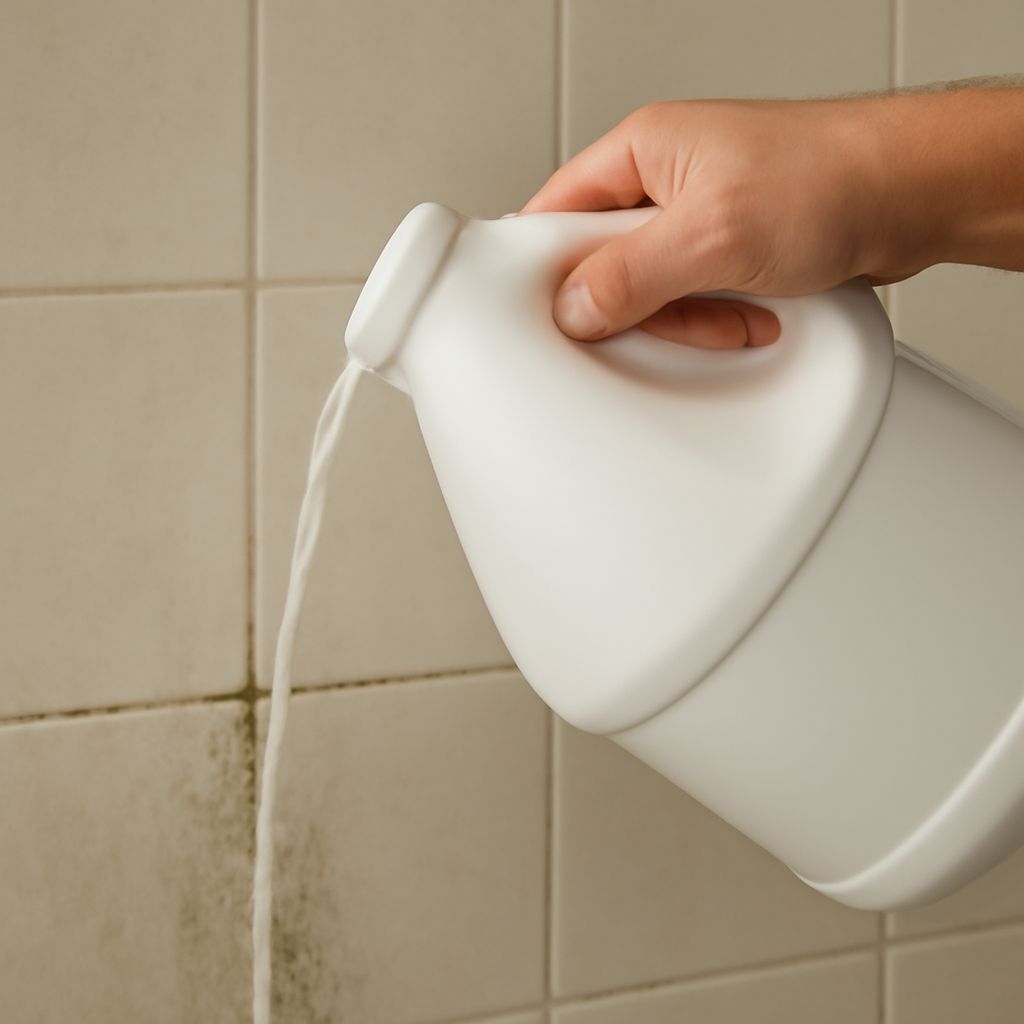
Black mold remover works best when you match the cleaner to the surface, the extent of growth, and the moisture source. A black mold killer spray can clean nonporous surfaces well, but it cannot fix hidden dampness or save damaged porous material.
The right approach is simple: identify whether you are dealing with staining or active growth, choose the safest cleaner for that material, clean in the correct order, and correct the water problem before mold returns.
Surface or stain?
Start by checking three things: the surface type, how far the mold has spread, and where the moisture is coming from. That tells you whether a black mold removal spray is appropriate or whether removal is the better option.
- Nonporous surfaces like tile, glass, sealed metal, and most plastics usually respond well to spraying, wiping, and drying.
- Semi-porous surfaces like sealed wood, painted drywall, or grout may clean up if the growth is light and recent.
- Porous materials like unfinished drywall, insulation, ceiling tile, carpet padding, and water-damaged wood often hold growth below the surface.
Surface staining can look like black mold, but not every dark mark is active growth. If the spot wipes away and does not return after drying, it may be residue or staining. If it spreads, feels damp, or keeps coming back, moisture is still feeding it.
Also judge the size of the affected area. A small patch on tile is a cleaning job. Widespread growth, repeated recurrence, or damage inside walls usually means the spray alone is not enough.
Best cleaner by material
Different cleaners work better on different surfaces. The best black mold removal spray is the one that fits the material and leaves it intact.
Detergent
A mild detergent and water are best for routine cleaning on hard, nonporous surfaces. This is often enough for light mold, dust, and residue. It removes the film that helps mold cling, but it does not disinfect deeply.
Hydrogen peroxide
Peroxide is useful on many nonporous and some lightly porous surfaces. It can lift stains and kill surface growth without the harsh odor of bleach. It may also work better on grout and finished surfaces where gentle agitation helps.
Bleach-based products
Bleach-based cleaners are commonly used on nonporous surfaces, especially tile, tubs, and sinks. They can be effective for visible surface mold, but they are not ideal for porous material because they do not penetrate well. They also can discolor some finishes.
Labeled commercial mold products
A labeled spray on mold killer is the best choice when the product directions match the surface you need to clean. Some are made for bathrooms, some for masonry, some for wood, and some for severe stains. Read the label closely so the cleaner matches the finish, the ventilation needs, and the required contact time.
How to clean it
- Ventilate and protect yourself. Open windows if possible and wear gloves. Use a mask if the area is dusty or heavily affected.
- Dry-clean first. Vacuum loose debris with a HEPA vacuum if available, or wipe away loose dust before spraying.
- Apply the cleaner evenly. Use the black mold removal spray or other cleaner until the surface is visibly wet, but not flooding.
- Let it sit for the label contact time. This matters. The product cannot work if it is wiped away too soon.
- Agitate gently. Scrub with a brush or cloth where the label allows it. Light pressure is usually enough on tile, grout, and sealed surfaces.
- Wipe or rinse as directed. Some products need a clean wipe-down. Others should be rinsed, especially on food-contact or skin-contact surfaces.
- Dry completely. Use towels, fans, or dehumidification until the area is fully dry.
- Inspect again. Check the area after drying. If spotting returns quickly, moisture is still present.
Use repeated spraying only when the surface is suitable and the growth is light. If the area still looks stained after one or two proper cleanings, switch from cleaning to correction.
When to remove or repair
Repeated spraying is less useful than removal when the material is porous, swollen, crumbling, soft, or damaged behind the surface. Drywall with repeated growth, carpet padding, ceiling tile, and insulation usually need removal rather than more cleaner.
Moisture repair is the smarter fix when mold keeps returning from the same spot. That may mean repairing a leak, resealing grout, improving bathroom airflow, or correcting condensation around windows or pipes.
If the source is inside a wall, under flooring, or in a ceiling cavity, surface cleaning will only treat what you can see.
Prevent it from returning
Mold prevention depends on drying and moisture control more than on stronger cleaner. Keep humidity low, run exhaust fans during and after showers, and wipe wet surfaces promptly.
- Fix leaks as soon as they appear.
- Keep bathrooms, basements, and laundry areas dry and ventilated.
- Use a dehumidifier in damp rooms.
- Seal grout and other vulnerable surfaces when appropriate.
- Watch for recurring discoloration after storms, plumbing use, or high humidity.
If a black mold remover keeps “working” only briefly, the problem is not the spray. It is the moisture source feeding the growth.