
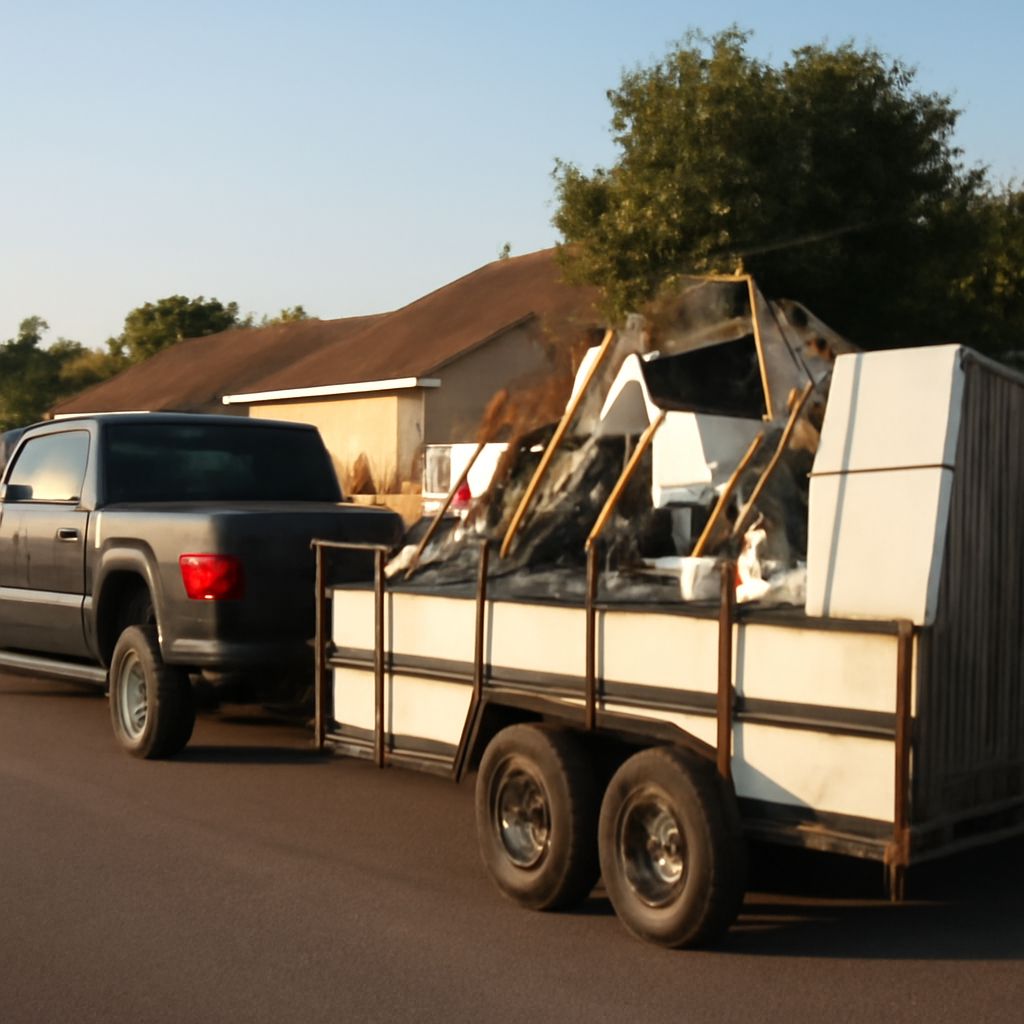
Free junk removal is realistic when the item has value, can be reused, or fits a local pickup program’s rules. The best chances are usually for working appliances, clean furniture, or scrap metal items that a buyer, charity, utility, retailer, or city program already wants.
For heavy items like refrigerators and washers, the key question is not just who will pick up old appliances for free, but whether the pickup is free only because someone can resell, recycle, or earn a rebate on it. If stairs, refrigerant, distance, or labor make the job costly, the free option may disappear fast.
When Pickup Is Free
Free pickup usually depends on condition and convenience. A company or organization is more likely to offer free junk haul away when the item has a clear second life or scrap value and is easy to remove.
- Working condition: Appliances that still run are easier to donate or resell.
- Material value: Metal-heavy items may be accepted for recycling or scrap.
- Refrigerant: Refrigerators and freezers often need proper refrigerant handling, which can affect fees.
- Size and weight: Large or bulky items take more labor and may not qualify.
- Location: Walk-up apartments, tight hallways, basements, and steep stairs often add cost.
- Access: Narrow doors, no parking, or long carries can turn a free pickup into a paid one.
- Local eligibility: Many offers are limited by zip code, item type, or appointment window.
That is why free refrigerator pick up is common in some places and impossible in others. A fridge with intact doors, normal access, and a nearby reuse route is a very different job from one in a third-floor walk-up.
Donation and Resale
Donation is one of the best routes when the item still works and looks presentable. Habitat for Humanity ReStores, local charities, and resale shops often accept appliances and household goods if they meet condition rules. Some will schedule a pickup, while others require drop-off.
Resale can also lead to free removal. A local buyer may take the item from your home if it is valuable enough. This is especially useful for branded appliances, working chest freezers, or lightly used furniture.
If you want the easiest response, list the item clearly. Include the brand, model, age, whether it powers on, and whether you can help move it. Good photos matter. Show the front, sides, inside, plugs, and any damage.
For anyone searching who will pick up old appliances for free, donation and resale are usually the first places to check. They work best when the item is clean, safe, and not missing major parts.
Before offering it, empty it, clean it, defrost it, and unplug it. If it is a refrigerator or freezer, leave enough time for it to dry so it does not arrive moldy or leaking.
Retailer and Utility Options
Retailers sometimes remove an old appliance when they deliver a new one. This is common with appliance stores, big-box retailers, and local dealers. The pickup may be free, bundled into the new purchase, or included only for specific appliance types.
Ask directly whether the quote includes:
- stair carry or carry-out from a basement
- disconnecting gas, water, or ice lines
- haul-away of the old unit only, or installation plus removal
- fees for doors, drawers, or built-in units
- charges for refrigerant handling or recycling
These details matter because a “free” offer can hide the cost in the new purchase price or in a delivery line item. Compare the final total, not just the word free.
Utilities can also help. Some electric or gas providers run appliance recycling programs, especially for working refrigerators and freezers. These programs may offer cash, bill credits, or free refrigerator pick up. They usually require the appliance to be intact, accessible, and sometimes still plugged in until pickup day.
Check whether the program needs proof of ownership, a utility account number, or a specific pickup zone. Many also limit the number of units per household.
Scrap, Municipal, and Community Routes
Scrap yards and metal recyclers may take appliances for no charge if the metal value covers handling. This is more likely with washers, dryers, stoves, and some metal furniture. Refrigerators can be different because refrigerant recovery and sealed-system rules may add cost.
Municipal programs are another strong option. Many cities offer bulk trash days, curbside appliance collection, or scheduled household hazardous waste events. Some are free for residents, but they may require stickers, permits, or advance booking.
Community exchange routes can also work. Neighborhood buy-nothing groups, local Facebook groups, church boards, and community apps can connect you with someone who wants the item for parts, reuse, or scrap. These routes are often the fastest way to arrange a no-fee pickup for bulky goods.
Use exact, helpful wording in your listing:
- item name and dimensions
- working or non-working status
- brand, model, and approximate age
- access details such as stairs, gate codes, or parking limits
- whether the item is already disconnected, emptied, or moved to the curb
- pickup deadline and preferred times
That level of detail helps avoid no-shows and keeps a free offer from turning into a paid labor quote.
How to Arrange Pickup
Start with the easiest route that matches the item’s condition. A working appliance with resale value should go to donation, resale, or a utility program first. A non-working metal item may fit scrap or municipal pickup. Junk with no value may still qualify for a community free haul only if someone is already headed your way.
- Photograph the item from multiple angles.
- Measure height, width, depth, and doorway clearance.
- Confirm condition and note missing parts, leaks, or damage.
- Disconnect safely from power, water, gas, or ice lines if allowed.
- Empty and clean the item before pickup.
- Prepare access by clearing paths, unlocking gates, and reserving parking if needed.
- Ask the pickup partner about stairs, labor limits, and whether they bring tools or dollies.
If the answer to free junk removal is no, ask for the next cheapest fallback: drop-off at a transfer station, scrap yard self-haul, retailer haul-away with delivery, or a local paid mover. Those options are often cheaper than waiting for a no-cost pickup that never qualifies.
Before you schedule, confirm one last time what is included. A true no-fee pickup should be clear about labor, transport, appliance type, and any special handling. If the provider cannot explain those points, the pickup is probably not really free.