
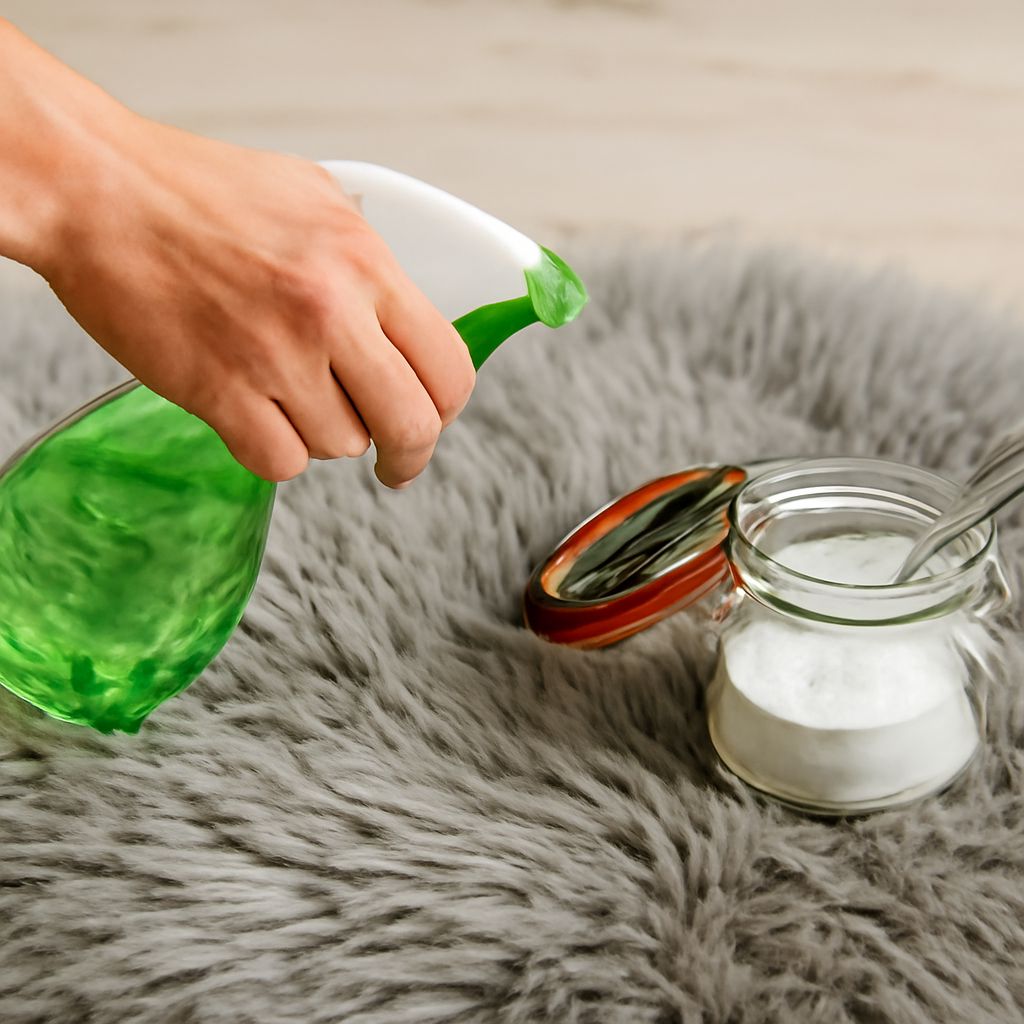
Baking soda can help freshen carpet, absorb a little surface moisture, and support spot cleanup after a fresh spill. It does not deep clean carpet by itself, and it will not remove every stain or odor source.
If you are cleaning carpet with baking soda, use it for deodorizing and light touch-ups. For embedded dirt, set-in stains, or recurring odors, you will usually need a proper carpet cleaner.
What Baking Soda Can Do on Carpet
Baking soda to clean carpet works best as a helper, not a full cleaner. It can neutralize some odors sitting near the surface and absorb a small amount of moisture from a recent spill. It can also make a carpet smell fresher before guests arrive.
What it cannot do is true deep cleaning. It does not lift ground-in soil from carpet fibers the way extraction cleaning does. It also does not disinfect carpet, and it cannot remove odor that comes from padding, mold, pet urine in the underlay, or old spills that have soaked through.
Use it when you need one of these results:
- Deodorizing: reducing mild surface odors
- Absorbing surface moisture: helping with a lightly damp spot
- Spot treatment: supporting a fresh spill response
- True deep cleaning: requiring a different method entirely
Before using baking soda carpet treatment, check the carpet care label. Some fibers and finishes can react poorly to powders or heavy scrubbing. If you are unsure, test a small hidden area first.
How to Use Baking Soda on Dry Carpet
For routine deodorizing, follow a light, even application. More powder is not better. A thin layer is easier to remove and less likely to leave residue.
- Prep the carpet. Vacuum first to remove loose dirt and grit.
- Patch test. Sprinkle a small amount in a hidden area and vacuum it later to check for color or texture changes.
- Apply lightly. Scatter a fine layer across the area you want to freshen. Avoid piles of powder.
- Let it dwell. Leave it for at least 15 to 30 minutes. For stronger odors, several hours is more effective.
- Vacuum slowly. Use overlapping passes and go over the area from different directions.
If you are using how to clean carpet with baking soda as a deodorizer, the best result is a refreshed smell, not a visibly cleaner stain. If the carpet still smells after vacuuming, the odor source is probably deeper than the surface fibers.
For a heavier odor, you can leave the powder on overnight, then vacuum it thoroughly the next day. Keep foot traffic off the area while it sits.
Use Baking Soda After a Fresh Spill
For a fresh spill, start with liquid removal first. Baking soda works best after you blot away as much moisture as possible. It should support the cleanup, not replace it.
- Blot immediately. Use a clean white cloth or paper towel. Press firmly, then lift. Do not rub.
- Repeat until dry enough. Keep blotting until the carpet feels only slightly damp.
- Add a light layer of baking soda. Cover the spot, but do not bury the fibers.
- Wait for absorption. Give it time to pull up remaining surface moisture and reduce odor.
- Vacuum fully. Remove every trace of powder once the area is dry.
This method is useful for water, juice, or similar fresh spills. It is less effective on grease, dye, wine, pet accidents, or anything that has already dried into the carpet.
Switch to a suitable carpet cleaner when:
- the stain is colored and remains after blotting
- the spill is oily or sticky
- the odor keeps coming back after drying
- the spot is large enough to reach the padding
If a spill keeps spreading, stop using powder alone. A carpet-safe liquid cleaner or extraction method will usually do more than cleaning carpet with baking soda can on its own.
Avoid Residue and Vacuum Problems
Residue is the main mistake people make with baking soda carpet treatment. A thick layer can lodge in the fibers, dull the look of the carpet, or clog a weak vacuum filter.
To avoid that problem, apply less powder than you think you need. A light dusting is usually enough. Let it sit long enough to work, then vacuum slowly and methodically.
Use these vacuuming habits:
- Go slow: fast passes leave powder behind
- Overlap your strokes: cover the same area from multiple directions
- Empty the vacuum if needed: a full bin or bag reduces suction
- Check the brush and filter: fine powder can build up quickly
If the carpet feels gritty after vacuuming, you likely used too much powder or did not vacuum long enough. Run the vacuum again before walking on the area heavily.
Recurring odor is another clue. If a spot smells fine for a day and then smells again, the source may be below the surface or in the padding. In that case, how to clean carpet with baking soda shifts from a helpful deodorizing step to a temporary fix. You will need a deeper cleaning method to address the source, not just the smell.