
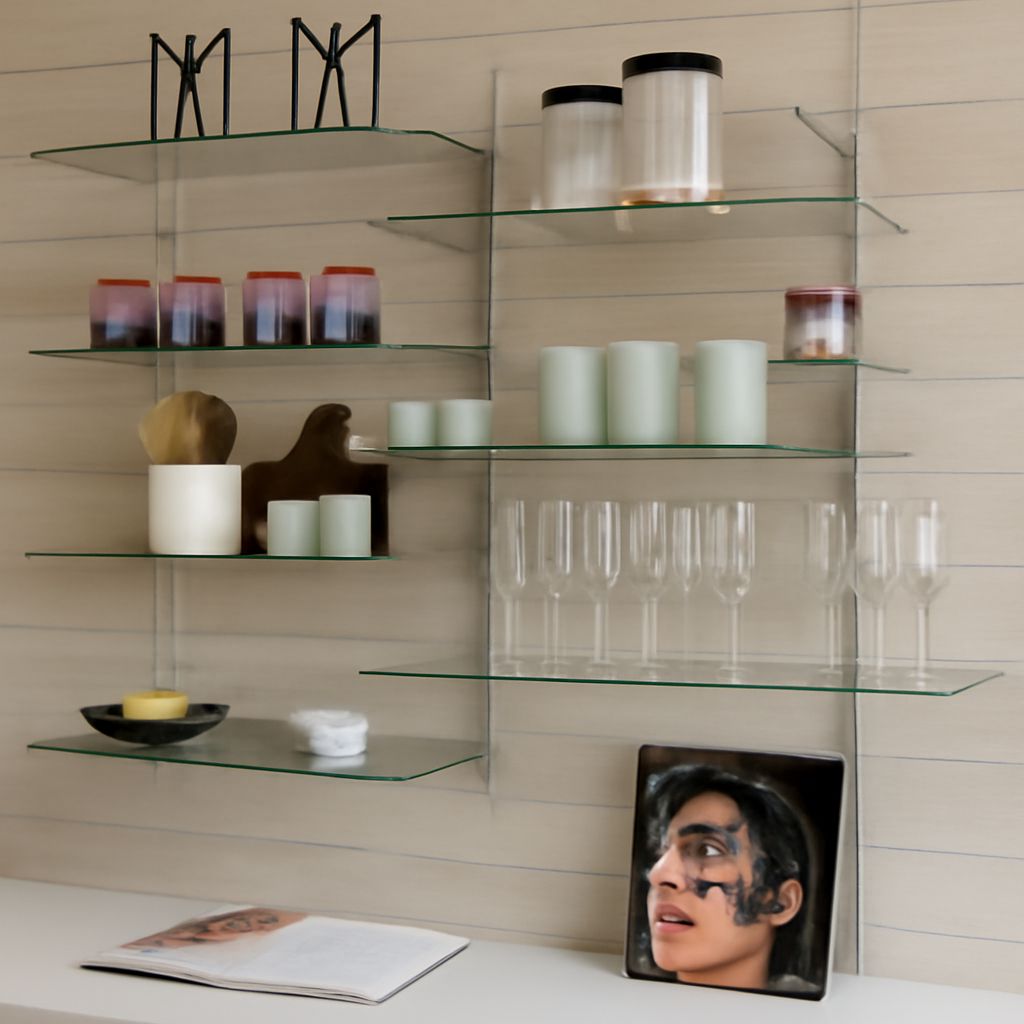
Glass shelves are a practical way to add storage without making a room feel heavy. They work well when you want a surface that keeps items visible, supports daily routines, and fits into a clean organizing system.
In the home, glass shelving is most useful in places where you need order and easy access. The right shelf depends on the room, the load it must carry, and whether a tempered glass shelf is needed for extra strength.
What Glass Shelves Do
Glass shelves help organize items while keeping the space visually open. That makes them useful in small rooms, narrow bathrooms, kitchens, and display areas where bulky storage would feel crowded.
They are especially helpful when you want to group similar items together. A shelf can hold toiletries, folded towels, pantry jars, decor, or everyday essentials in a way that is easy to see and reach. Because the surface is transparent, it can support order without creating a closed-in look.
For many households, the main value of glass shelves is balance. They add function like other shelving, but they do not block light or interrupt sightlines as much as solid materials often do.
When strength matters, a tempered glass shelf is the better choice for higher-use spaces. Tempered glass is commonly selected for places that hold heavier containers or where break resistance is a concern. It is still important to size the shelf properly and follow the support limits of the mounting system.
Choosing the Right Shelf
Start with the room and the job the shelf needs to do. A decorative shelf for lightweight items has different needs than storage used every day. The size, thickness, and edge finish should match the planned use, not just the available wall space.
Check the weight and the items you will store
Before choosing glass shelving, list what will sit on it. Toiletries, folded linens, jars, and small bins all create different loads. Heavier items need stronger support, and unevenly distributed weight should be avoided.
If you expect frequent use or heavier storage, tempered glass shelving is usually the safer planning choice. It is commonly used where a shelf must handle regular handling and repeated placement of objects.
Match the shelf to the room
In bathrooms, a custom glass shelf can fit above a sink, beside a mirror, or in a recessed wall area. In kitchens, shelves often work best for lighter storage such as glasses, labeled containers, or frequently used pantry items. In closets, they can help keep accessories, folded clothing, or storage boxes organized.
The goal is not to use glass everywhere. The goal is to place it where visibility, cleanliness, and easy access matter most.
Plan the dimensions carefully
A custom glass shelf is useful when standard sizes do not fit the space. That is common in alcoves, between studs, under mirrors, or in built-ins where the opening is fixed. A tailored size can make the shelf look intentional and improve storage efficiency.
Thickness also matters. Thicker shelves usually feel sturdier and are better for larger spans, while thinner shelves may suit smaller or lighter applications. Support spacing should be planned so the shelf does not sag over time.
Think about cleaning and maintenance
Glass shelving is easy to wipe down, which makes it appealing in rooms where dust, soap residue, or kitchen buildup can collect. Smooth surfaces also make it easier to spot items that need to be put back in order.
If the shelf will sit near moisture, cleaning needs become part of the storage plan. A shelf that is easy to maintain is more likely to stay organized and useful.
Common Uses in the Home
Glass shelves fit into many storage systems, but they work best when the contents are fairly organized and not overly bulky. A few practical uses stand out.
- Bathrooms: Keep toiletries, hand towels, grooming items, and daily-use products visible and separated.
- Kitchens: Store light jars, mugs, small dishes, or ingredients that benefit from quick access.
- Closets and dressing areas: Hold accessories, folded items, perfume bottles, or small storage bins.
- Living areas: Display books, framed photos, and a limited number of decor pieces without adding visual weight.
- Laundry and utility spaces: Organize cleaners, supplies, and labeled containers where surfaces need to stay easy to wipe.
In each case, the shelf works best as part of a system. It should not just hold items; it should make them easier to sort, reach, and return. That is what keeps storage from turning into clutter again.
Glass shelving can also help with zoning. For example, one shelf can hold daily items, another can hold backups, and a third can stay reserved for special-use storage. This makes it easier to maintain routines because each shelf has a clear purpose.
Mistakes to Avoid
One common mistake is treating glass shelves like they can hold anything. They are useful, but they are not the best choice for every load. Heavy cookware, dense book stacks, or oversized containers may be better on another material.
Another mistake is choosing a shelf size without checking the space around it. A shelf that is too deep can crowd a walkway or interfere with doors, faucets, or cabinet use. A shelf that is too narrow may not support the items you want to organize.
It is also easy to overlook the mounting system. Even a strong tempered glass shelf depends on proper support. Brackets, clips, or built-in supports should match the shelf dimensions and expected use.
Do not let the shelf become a display surface for random objects. Glass shelves look best when the contents are edited. Too many items create visual clutter, which defeats the purpose of using glass in the first place.
Finally, avoid mixing storage and display without a plan. If you want the shelf to stay useful, assign each level a role: daily use, backup storage, or display. That small step keeps glass shelves working as part of a practical home organization system.